
October 25, 2020


October 24, 2020
Validation of the DECA criteria for allergic conjunctivitis severity and control
- Research
- Open Access
Clinical and Translational Allergy 10, Article number: 43 (2020)
 Abstract
Background
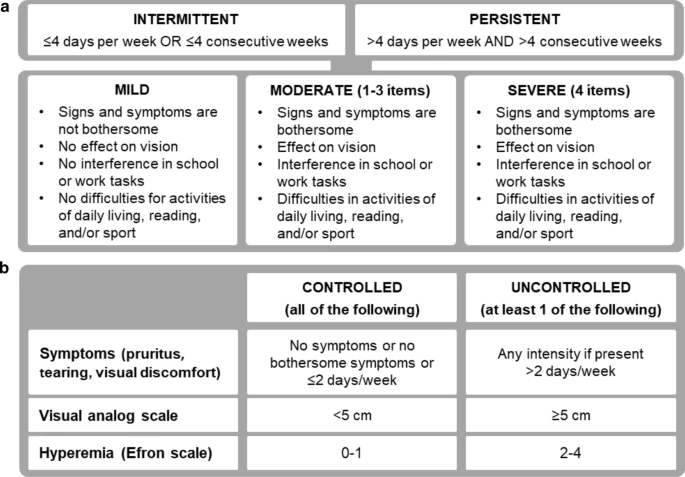
Allergic conjunctivitis (AC) is usually associated to allergic rhinitis (AR), but the severity and control of ocular symptoms should be assessed independently to improve diagnosis and treatment. The criteria from the Spanish consensus document on allergic conjunctivitis (DECA) aimed to be used as a patient-reported instrument for AC management. Here we validate these criteria for classifying AC severity and defining its control following COSMIN guidelines recommendations.
October 21, 2020
Comparative efficacy of glucocorticoid receptor agonists on Th2 cell function and attenuation by progesterone
- BMC Immunology Research article
- Open Access
Abstract
 Background
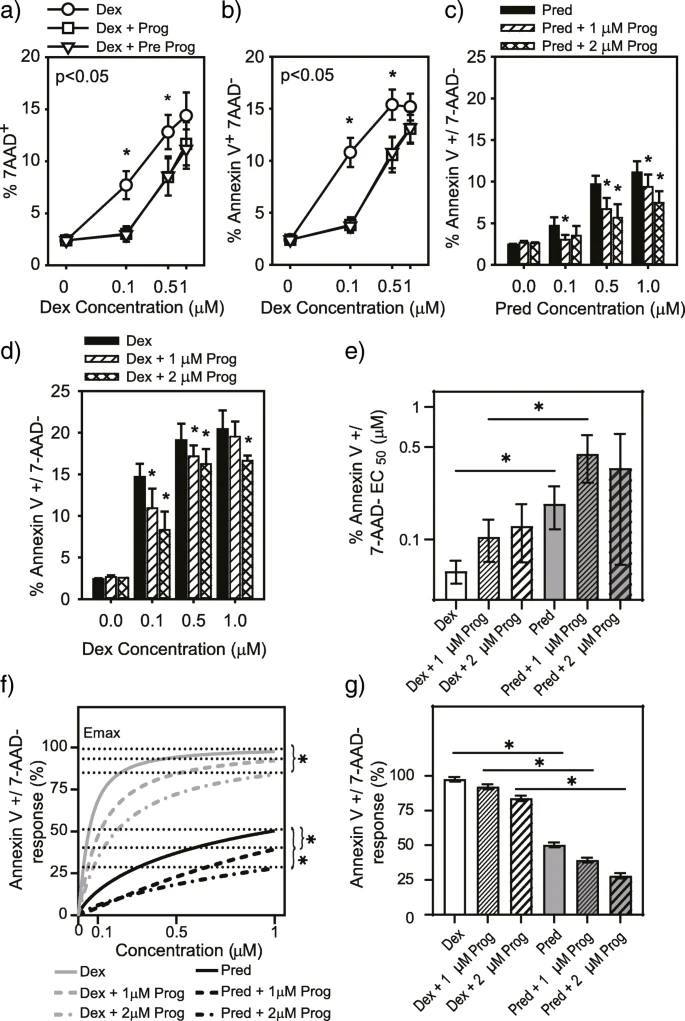
Corticosteroids (CS)s suppress cytokine production and induce apoptosis of inflammatory cells. Prednisone and dexamethasone are oral CSs prescribed for treating asthma exacerbations. While prednisone is more commonly prescribed, dexamethasone is long acting and a more potent glucocorticoid receptor (GR) agonist. It can be administered as a one or two dose regime, unlike the five to seven days required for prednisone, a feature that increases compliance. We compared the relative ability of these two oral CSs to suppress type 2 inflammation. Since progesterone has affinity for the GR and women are more likely to relapse following an asthma exacerbation, we assessed its influence on CS action.
October 9, 2020
Current transition management of adolescents and young adults with allergy and asthma: a European survey
- Research
- Open Access
Clinical and Translational Allergy
Clinical and Translational Allergy 10, Article number: 40 (2020)
Background
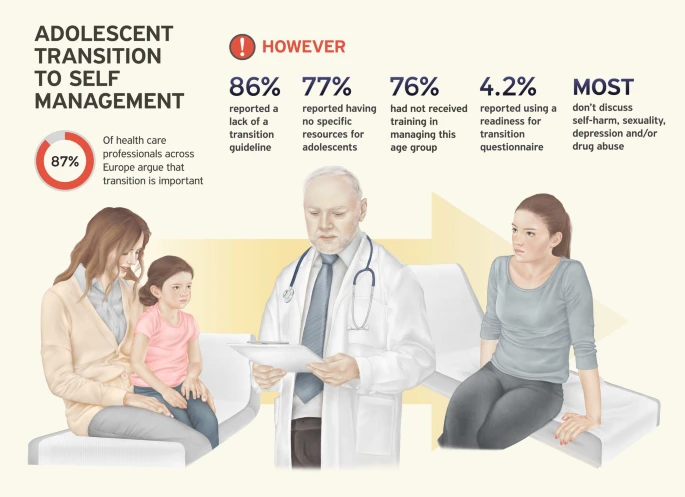
Transition from parent-delivered to self-management is a vulnerable time for adolescents and young adults (AYA) with allergy and asthma. There is currently no European guideline available for healthcare professionals (HCPs) on transition of these patients and local/national protocols are also mostly lacking.
Methods
European HCPs working with AYA with allergy and asthma were invited to complete an online survey assessing challenges of working with these patients, current transition practices and access to specific healthcare resources.
October 4, 2020
World Allergy Organization Journal (Volume 13, Issue 10) - Published Articles Alert - October 4, 2020

Evaluation of oral immunotherapy efficacy and safety by maintenance dose dependency: A multicenter randomized study
Kiyotake Ogura, Noriyuki Yanagida, Sakura Sato, Takanori Imai, Komei Ito, Naoyuki Kando, Masanori Ikeda, Rumiko Shibata, Yoko Murakami, Takao Fujisawa, Mizuho Nagao, Norio Kawamoto, Naomi Kondo, Atsuo Urisu, Ikuya Tsuge, Yasuto Kondo, Kazuko Sugai, Osamu Uchida, Mitsuyoshi Urashima, Masami Taniguchi, Motohiro Ebisawa
Assessment of Google Trends terms reporting allergies and the grass pollen season in Ukraine
Igor Kaidashev, Halyna Morokhovets, Viktoriia Rodinkova, Lawrence DuBuske, Jean Bousquet
October 2, 2020
Management of the patient with allergic and immunological disorders in the pandemic COVID-19 era
- Review
- Open Access
- Clinical and Molecular Allergy
Clinical and Molecular Allergy 18, Article number: 18 (2020)
Abstract
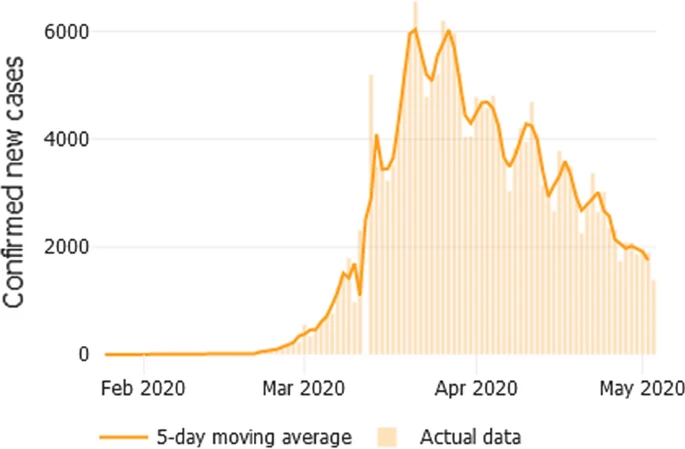
The pandemic COVID-19 abruptly exploded, taking most health professionals around the world unprepared. Italy, the first European country to be hit violently, was forced to activate the lockdown in mid-February 2020. At the time of the spread, a high number of victims were quickly registered, especially in the regions of Northern Italy which have a high rate of highly-polluting production activities. The need to hospitalize the large number of patients with severe forms of COVID-19 led the National Health System to move a large number of specialists from their disciplines to the emergency hospital departments for the treatment of COVID-19. Furthermore, the lockdown itself has limited the possibility for general practitioners and pediatricians to be able to make outpatient visits and/or home care for patients with chronic diseases. Among them, the patient with atopic diseases, such as asthma, rhinitis and atopic dermatitis, is worthy of particular attention as she/he is immersed in a studded negative scenario with the onset of spring, a factor that should not be underestimated for those who suffer from pollen allergy. The Italian Society of Asthma Allergology and Clinical Immunology, to quickly deal with the lack of references and specialist medical procedures, has produced a series of indications for immunologic patient care that are reported in this paper, and can be used as guidelines by specialists of our discipline.
Subscribe to:
Comments (Atom)