May 23, 2024

Hereditary angioedema with normal C1 esterase inhibitor: Current paradigms and clinical dilemmas

Radojicic C, Anderson J.  Allergy Asthma Proc. 2024 May 1;45(3):147-157. doi: 10.2500/aap.2024.45.240010.

Abstract

Background:

A diagnosis of hereditary angioedema (HAE) with normal C1 esterase inhibitor (HAE-nl-C1-INH) can be challenging and pharmacologic management is not well defined.

Objective:

The objective was to discuss practical considerations in the clinical management of HAE-nl-C1-INH by using illustrative clinical vignettes to highlight and/or address select challenges.

Methods:

This was a narrative review.

Results:

Practical guide for differentiating between mast cell-and bradykinin-mediated angioedema.
Symptoms of HAE-nl-C1-INH overlap with HAE types I and II; the heterogeneity of presentation and symptom burden are diagnostic challenges. A patient history, with particular attention to whether urticaria or other symptoms of mast cell mediator release are present, is important because such symptoms would strongly suggest a mast cell‐mediated pathway. A family history of angioedema is informative but a lack thereof does not rule out diagnosis.

Antihypertensive Medications and Eczematous Dermatitis in Older Adults

Ye M, Chan LN, Douglas I, Margolis DJ, Langan SM, Abuabara K. JAMA Dermatol. 2024 May 22. doi: 10.1001/jamadermatol.2024.1230. 

Key Points

  • Question  Is antihypertensive drug use associated with diagnoses of eczematous dermatitis among older adults?
  • Findings  This cohort study using a population-based primary care cohort of 1.5 million older adults found that antihypertensive drug use was associated with a 29% increase in the rate of eczematous dermatitis diagnoses. The hazard rate was highest for diuretic drugs and calcium channel blockers and lowest for angiotensin-converting enzyme inhibitors and β-blockers.
  • Meaning  These findings indicate that physicians should consider antihypertensive treatment as part of the differential diagnoses for older patients presenting with eczematous dermatitis.

Abstract

Importance  Rates of physician-diagnosed eczema have been increasing among older adults, but little is known regarding the pathophysiologic processes and best treatments in this subgroup. Preliminary data suggest that medications—antihypertensive medications in particular—may contribute to eczematous dermatitis; however, there are limited population-based data on the proportion of eczematous dermatitis diagnoses among older adults that may be attributed to antihypertensive drugs.

May 22, 2024

Allergen specific immunotherapy regulates macrophage property in the airways

Liu J, Xiao X, Liao Y, Xu X, Liu Y, Tang A, Zeng X, Yang P. Arch Biochem Biophys. 2024 May;755:109984. doi: 10.1016/j.abb.2024.109984.

Highlights

  • Better absorption of allergen in airway macrophages was observed in airway vaccination.

  • Better production of IL-10 by macrophages after the airway vaccination.

  • Better immune suppressive functions in macrophages in mice received airway vaccination.

Abstract

Background

Allergen specific immunotherapy (AIT) has been widely used in allergy clinics. The therapeutic effects of it are to be improved. Macrophages occupy the largest proportion of airway immune cells. The aim of this study is to measure the effects of nasal instillation AIT (nAIT) on airway allergy by regulating macrophage functions.

May 21, 2024

Long-Term Outcomes Associated With β-Lactam Allergies

Gray MP, Kellum JA, Kirisci L, Boyce RD, Kane-Gill SL.  JAMA Netw Open. 2024;7(5):e2412313. doi:10.1001/jamanetworkopen.2024.12313

Key Points

Question  What are the long-term clinical outcomes of patients with β-lactam allergies?

Findings  In this cohort study following 20 092 adult patients for up to 12 years, a generalized estimating equation analysis model found that the presence of a documented β-lactam allergy was not associated with a statistically significant increase in the odds of all-cause mortality but was associated with an increase in antibiotic-resistant infections.

Meaning  These findings suggest that documented β-lactam allergies are associated with substantial long-term clinical detriment, and health systems should prioritize initiatives to maximize the use of first-line antimicrobials and reduce unnecessary β-lactam avoidance.

Abstract

Importance  β-lactam (BL) allergies are the most common drug allergy worldwide, but most are reported in error. BL allergies are also well-established risk factors for adverse drug events and antibiotic-resistant infections during inpatient health care encounters, but the understanding of the long-term outcomes of patients with BL allergies remains limited.

May 20, 2024

Pathological Findings of Post-Viral Olfactory Dysfunction: A Systematic Review

Hacksell F, Saber A. Eur J Rhinol Allergy 2024; 7: 21-28 DOI: 10.5152/ejra.2024.24128

Abstract: The coronavirus disease 2019 pandemic has shed light on the post-viral olfactory dysfunction (PVOD). Post-viral olfactory dysfunction is temporary for most people and usually subsides when the common cold symptoms ameliorate. However, in some patients, this condition can persist for several weeks or months. The exact pathological mechanisms of persistent olfactory loss secondary to upper respiratory tract infection (URTI) is unknown, and there is a lack of efective treatment. An increased understanding of pathology could possibly translate into new therapeutic regimens. The aim of this systematic review is to synthesize primary data regarding histopathological and neuropathological fndings in patients with PVOD secondary to URTI. The Preferred Reporting Items for Systematic Reviews and Meta-Analyses guidelines was followed. Databases PubMed and Web of Science were searched with keywords and mesh terms to identify relevant articles.

Publication Trends and Hot Spots of ChatGPT’s Application in the Medicine

Li, Zq., Wang, Xf. & Liu, Jp. J Med Syst 48, 52 (2024). https://doi.org/10.1007/s10916-024-02074-y

Abstract

This study aimed to analyze the current landscape of ChatGPT application in the medical field, assessing the current collaboration patterns and research topic hotspots to understand the impact and trends. By conducting a search in the Web of Science, we collected literature related to the applications of ChatGPT in medicine, covering the period from January 1, 2000 up to January 16, 2024. Bibliometric analyses were performed using CiteSpace (V6.2., Drexel University, PA, USA) and Microsoft Excel (Microsoft Corp.,WA, USA) to map the collaboration among countries/regions, the distribution of institutions and authors, and clustering of keywords. A total of 574 eligible articles were included, with 97.74% published in 2023.

May 17, 2024

Immunotherapy and biologics in the management of IgE-mediated food allergy: Systematic review and meta-analyses of efficacy and safety.

Carmen Riggioni, Teresa Oton, Loreto Carmona, George Du Toit, Isabel Skypala, Alexandra F. Santos, the EAACI Food Allergy Guidelines Expert Group and the EAACI Research and Outreach Committee FA Group.  Allergy. 2024; 00: 1-31. doi:10.1111/all.16129

Abstract

Food allergy (FA) is a potentially life-threatening chronic condition that is becoming an increasing public health problem worldwide. This systematic review (SR) was carried out to inform the development of clinical recommendations on the treatment of IgE-mediated FA with biologics and/or IT for the update of the EAACI guidelines. A SR of randomized-controlled trials or quasi-controlled trials was carried out. Studies were identified via comprehensive search strategies in Medline, Embase, and Cochrane Library, up to April 2022. Population: Human adults, children, and adolescents with IgE-mediated FA. Intervention: IT and/or biologics. Comparator: Placebo or standard-of-care (allergen avoidance). Outcome: Efficacy (desensitization, sustained unresponsiveness (SU), remission), quality of life, and safety (systemic and local adverse reactions (AR)).

Analysis of Differentially expressed genes and Molecular pathways in Peanut Allergy Induced Dynamic Changes involved in Peanut-Specific Immune Responses: A Systematic and Bioinformatics Approach


Glory Simon Parmar, Manisha Gulati, Md Khoshnade Rabby,  View ORCID ProfileRamchander Merugu,  View ORCID ProfileSatabdi Mohanty, Umme Kulsum, Dhanshree Gajanan Pujari, Swapnja Rohit More, Om Prakash, Priyanka Shrikant Bhore,  doi: https://doi.org/10.1101/2024.05.12.24307235

This article is a preprint and has not been certified by peer review [what does this mean?]. It reports new medical research that has yet to be evaluated and so should not be used to guide clinical practice.

ABSTRACT

Peanut allergy poses a significant global health concern, triggering hypersensitivity reactions upon exposure to peanuts. Understanding the molecular mechanisms governing peanut-specific immune responses is imperative for developing effective therapeutic approaches.
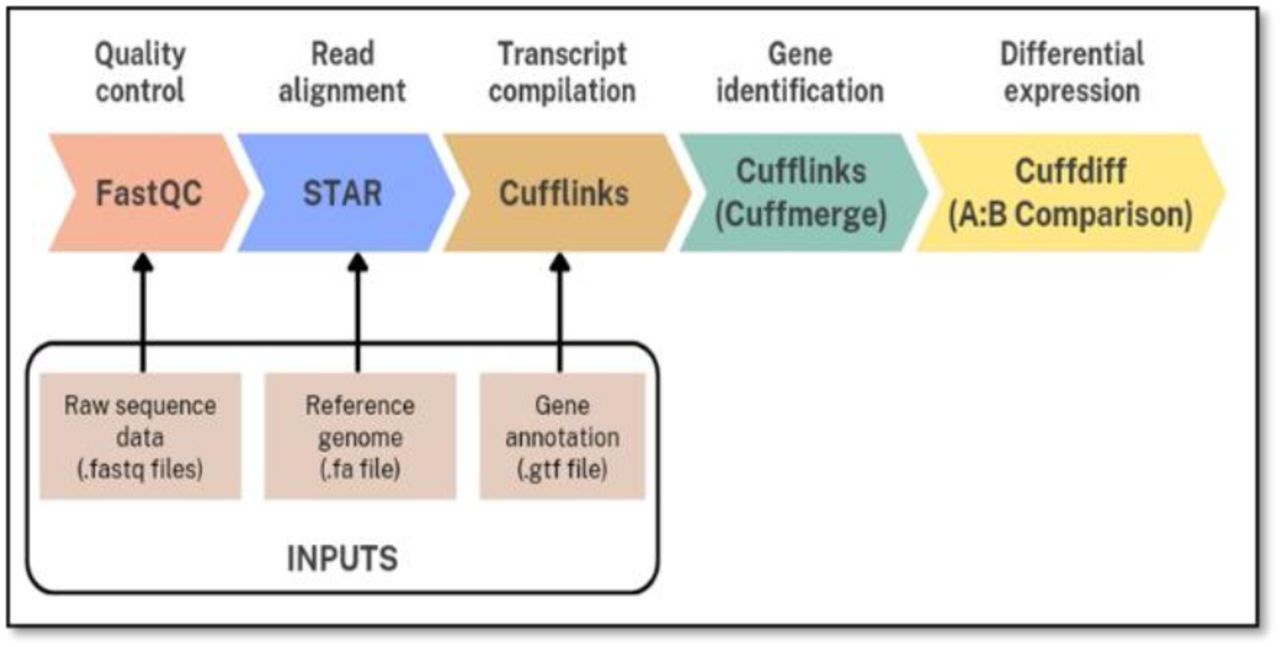
This study aimed to investigate differentially expressed genes (DEGs) and associated molecular pathways implicated in peanut allergy-induced immune responses. Employing a systematic and bioinformatics-driven approach, we analyzed gene expression profiles from peanut-allergic individuals and healthy controls using RNAseq Next-Generation Sequencing (NGS) data. Enrichment analysis of DEGs revealed their involvement in various inflammatory conditions, including autoinflammatory, allergic, and respiratory disorders.