A blog that publishes updates and open access scientific papers about allergy, asthma and immunology. Editor: Juan Carlos Ivancevich, MD. Specialist in Allergy & Immunology
July 7, 2024
Concepts for the development of person-centred, digitally-enabled, Artificial Intelligence-assisted ARIA care pathways (ARIA 2024)
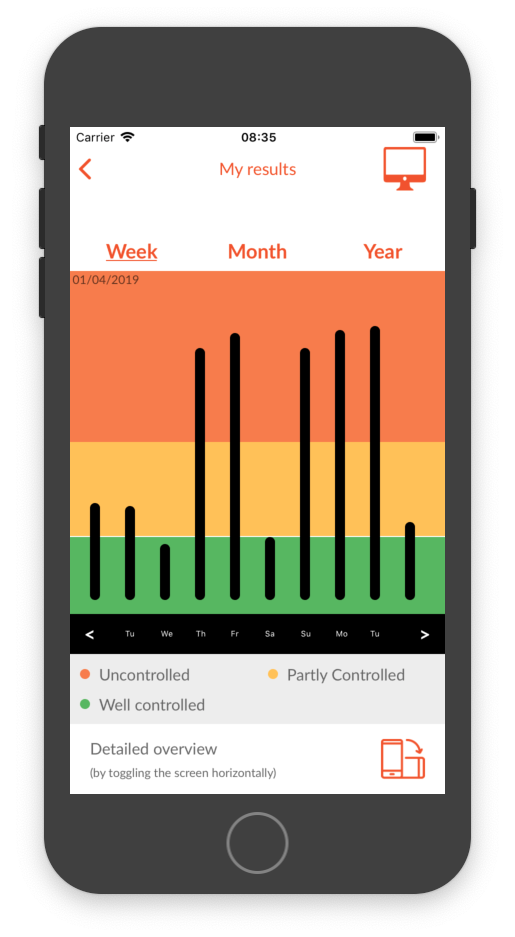
Adherence to inhaled corticosteroids and long-acting β2-agonists in asthma: A MASK-air study
Abstract
Introduction
Adherence to controller medication is a major problem in asthma management, being difficult to assess and tackle. mHealth apps can be used to assess adherence. We aimed to assess the adherence to inhaled corticosteroids+long-acting β2-agonists (ICS+LABA) in users of the MASK-air® app, comparing the adherence to ICS+formoterol (ICS+F) with that to ICS+other LABA.
Materials and methods
We analysed complete weeks of MASK-air® data (2015-2022; 27 countries) from patients with self-reported asthma and ICS+LABA use. We compared patients reporting ICS+F versus ICS+other LABA on adherence levels, symptoms and symptom-medication scores. We built regression models to assess whether adherence to ICS+LABA was associated with asthma control or short-acting beta-agonist (SABA) use. Sensitivity analyses were performed considering the weeks with no more than one missing day.
July 5, 2024
Nasal endoscopy: What have we been missing?
McCoul
Despite the widespread adoption of nasal endoscopy (NE) in the evaluation of sinonasal disease, its diagnostic potential may still be underutilized. Developments in endoscopic technology have led to significant improvements in video quality and maneuverability.
Association of Soda Drinks and Fast Food with Allergic Diseases in Korean Adolescents: A Nationwide Representative Study
Jeong J, Jo H, Son Y et al. Int Arch Allergy Immunol. 2024 Jul 1:1-17.
Abstract
Introduction: A high consumption of carbonated soft drinks (i.e., soda drinks) and fast food is potentially associated with the observed global rise in adolescent allergic diseases. Thus, our study aimed to examine the potential associations between the consumption of soda drinks and fast food and allergic conditions, identifying specific relationships across subgroups and each allergic condition (asthma, allergic rhinitis, and atopic dermatitis).
Methods: This study uses large-scale data from the Korea Youth Risk Behavior Web-Based Survey (total n = 865,614). Soda drinks and fast food were defined by a self-reported questionnaire and allergic conditions by physician-diagnosed within 1 year. Multivariable logistic regression was used to analyze the weighted odds ratios (ORs), along with 95% confidence intervals (CIs), for allergic diseases associated with the intake of soda drinks and fast food.
July 1, 2024
Role of IL-5 in asthma and airway remodelling
Abstract
Asthma is a common and burdensome chronic inflammatory airway disease that affects both children and adults. One of the main concerns with asthma is the manifestation of irreversible tissue remodelling of the airways due to the chronic inflammatory environment that eventually disrupts the whole structure of the airways. Most people with troublesome asthma are treated with inhaled corticosteroids. However, the development of steroid resistance is a commonly encountered issue, necessitating other treatment options for these patients. Biological therapies are a promising therapeutic approach for people with steroid-resistant asthma. Interleukin 5 is recently gaining a lot of attention as a biological target relevant to the tissue remodelling process.
General practitioner and patient perspectives on intranasal corticosteroids for allergic rhinitis: Treatment duration and obstacles to adherence, findings from a recent survey
Background and objective
Currently, there are no guideline recommendations for the duration of intranasal corticosteroid (INCS) treatment for allergic rhinitis (AR). We aimed to catalogue real-world AR-INCS prescription patterns.
Materials and methods
This multicenter, non-interventional, cross-sectional study used online general practitioner (GP) and patient surveys from 4 countries. Eligible GPs had 3–35 years of practical experience, regularly prescribed INCSs for AR treatment, and had managed ≥5 patients with AR per month according to Allergic Rhinitis and its Impact on Asthma (ARIA) guidelines in the previous year. Eligible patients with AR were non-pregnant females or males, aged 18–65 years, previous AR-INCS users (≥12 months), and receiving GP-prescribed AR therapy. Survey participants were from countries with 15–50% AR prevalence and mostly prescription-only INCS use of ≥100 million units annually (Brazil, Mexico, Spain, Thailand). GP surveys and GP-completed patient record forms (PRFs) gathered AR-care and INCS-use data over 10 months; each GP completed patient record forms (PRFs) for 3 patients with AR under their care.
June 29, 2024
Impact of Cosmetics and Cleansers in Atopic Dermatitis—How to Advise Patients.
Abstract
Purpose of Review
Atopic dermatitis (AD) or eczema is a frequent chronic inflammatory skin disease. Taking care of the eczematous skin is important to reduce the inflammation and return it to a healthier looking nourished skin. Beyond recommending topical anti-inflammatory drugs and the use of emollients, recommendations on the correct use of other everyday skin products, as cleansers or make-up products, are lacking.
Recent Findings
![]() |
| Potential allergens that can be found in cleansers and make-up removers |
Utilization and related harms of systemic glucocorticosteroids for atopic dermatitis: claims data analysis.
Abstract
Background and objectives
Systemic glucocorticosteroids (SGCs) are used in the short-term treatment of atopic dermatitis (AD), but are not recommended for long-term use since associated with severe side effects. This study aimed to characterize the utilization and potentially negative effects of SGC use for AD in German statutory health insurance (SHI) claims data.
Patients and methods
Cross-sectional and longitudinal analysis of a large nationwide SHI dataset. SGC drug prescriptions and incidences of predefined comorbidities after drug initiation known as potentially harmful side effects were analysed.