October 14, 2024

Mild atopic dermatitis is characterized by increase in non-staphylococcus pathobionts and loss of specific species

Delanghe, L., De Boeck, I., Van Malderen, J. et al.  Sci Rep 14, 23659 (2024). https://doi.org/10.1038/s41598-024-74513-2

Abstract

Associations between atopic dermatitis
and skin microbiome diversity
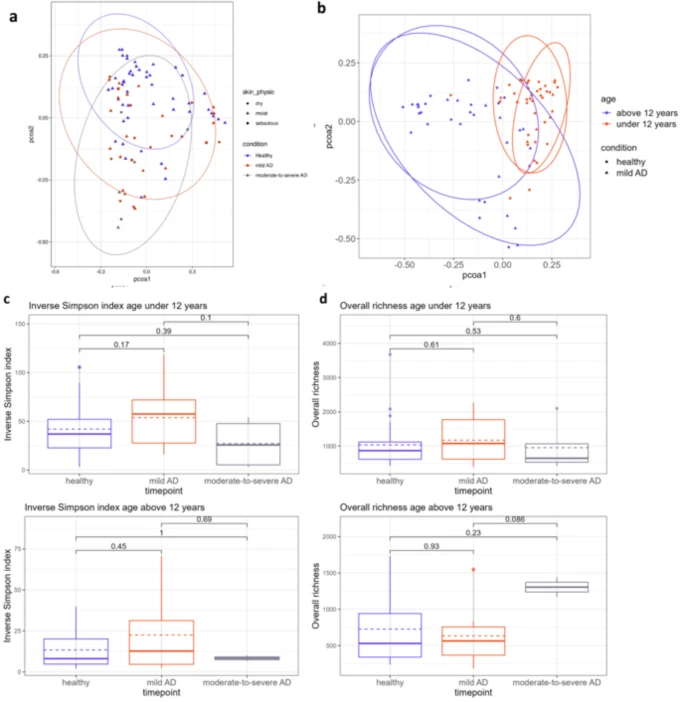
Atopic dermatitis is the most common inflammatory skin condition with a severe negative impact on patients’ quality of life. The etiology of AD is complex and depends on age, genetics, the immune system, environmental factors, and the skin microbiome, with a key role for pathogenic Staphylococcus aureus in the development of severe AD. However, the composition of the skin microbiome in mild AD is understudied. Here, using metagenomic shallow shotgun sequencing, we showed that mild AD lesions did not show a significant difference in the diversity of the skin microbiome compared to samples from non-AD patients and that the relative abundance of S. aureus did not differ in these mild AD lesions.

Blood eosinophil count correlates with alveolar damage in emphysema-predominant COPD

Nakamura, S., Wakahara, K., Majima, S. et al. BMC Pulm Med 24, 510 (2024). https://doi.org/10.1186/s12890-024-03320-2

Abstract

Background
Although blood eosinophil count is recognized as a useful biomarker for the management of chronic obstructive pulmonary disease (COPD), the impact of eosinophils in COPD has not been fully elucidated. Here we aimed to investigate the relationships between the blood eosinophil count and various clinical parameters including lung structural changes.

Methods
Ninety-three COPD patients without concomitant asthma were prospectively enrolled in this study. Blood eosinophil count, serum IgE level, serum periostin level, and chest computed tomography (CT) scans were evaluated. Eosinophilic COPD was defined as COPD with a blood eosinophil count ≧ 300/µL. We examined the correlation between the blood eosinophil count and structural changes graded by chest CT, focusing specifically on thin airway wall (WT thin) and thick airway wall (WT thick) groups.

October 13, 2024

Bilastine Reimagined: A Comprehensive Exploration of Pruritus Management With a Novel Antihistamine

Mahajan B, Banodkar P, Bhardwaj G, et al. (October 10, 2024)  Cureus 16(10): e71232. doi:10.7759/cureus.71232

Abstract

Managing pruritic conditions is essential due to their significant impact on patients' quality of life. Chronic urticaria (CU), characterized by persistent itching and hives, severely affects daily activities and sleep. CU includes chronic inducible urticaria and chronic spontaneous urticaria, with the latter lacking identifiable triggers, making treatment especially challenging. CU is a condition that occurs across all age groups, with a higher prevalence among young adults and middle-aged women.

Clinical profile differences between various
second-generation H1 antihistamines
Current antihistamine treatments include first-generation antihistamines, which are associated with sedation, and second-generation antihistamines such as cetirizine and fexofenadine, which cause less sedation but have varying efficacy and safety profiles. Bilastine, a novel second-generation H1-antihistamine, offers advantages due to its potent antihistaminic activity, rapid onset of action, and minimal sedation.

October 11, 2024

Interleukin-5 as a pleiotropic cytokine orchestrating airway type 2 inflammation: Effects on and beyond eosinophils

Buchheit KMShaw DChupp G, et al. Allergy2024792662-2679. doi:10.1111/all.16303


Abstract

IL-5 is a key cytokine for type 2 inflammation and plays a broad
role in pathophysiology beyond eosinophilic inflammation.
Interleukin (IL)-5 is the key cytokine in the maturation, activation, proliferation, migration and survival of eosinophils, which are key effector cells in many upper and lower airway diseases. Through its effects on eosinophils, IL-5 indirectly contributes to various pathophysiological processes including tissue damage, repair and remodelling. Understanding the importance of IL-5 in eosinophil-associated diseases led to the development of anti-IL-5 therapies, which provide clinical benefits across a range of conditions. However, recent evidence suggests that eosinophil-depletion alone may not account for all of the therapeutic effects of anti-IL-5 therapy and that IL-5 may also contribute to disease independently of its effects on eosinophils.

October 10, 2024

Artificial Intelligence for Diagnosis of Obstructive Sleep Apnea

Jasmine May, Roneil G. Malkani. Current Pulmonology Reports 04-09-2024

Abstract

Purpose of Review

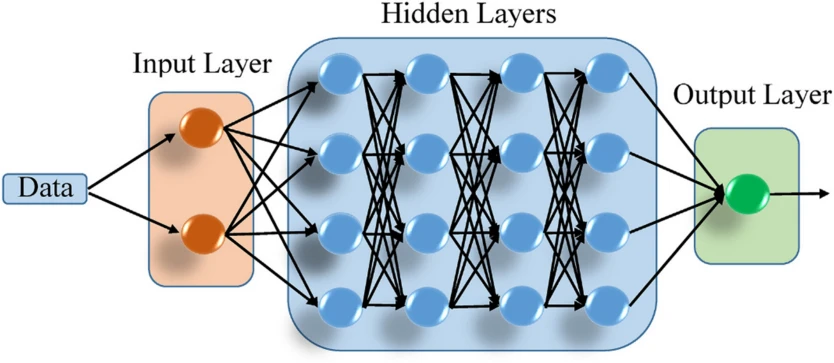
This review focuses on the different methodologies and artificial intelligence (AI) technologies being utilized to improve rapid diagnosis of sleep disordered breathing (SDB).

Recent Findings

Many recent studies have examined the application of AI neural networks on imaging techniques, single lead diagnostics, and multi-lead technologies to improve screening and automated diagnosis of SDB. While several techniques are better at identifying moderate or severe sleep apnea, the ability to detect mild cases of sleep apnea still lags.

October 9, 2024

Young Adults and Allergic Rhinitis: A Population Often Overlooked but in Need of Targeted Help.

Jones, G.; House, R.; Bosnic-Anticevich, S.; Cheong, L.; Cvetkovski, B.  Allergies 2024, 4, 145-161. https://doi.org/10.3390/allergies4040011

Abstract

The comparison of medications used by participants
versus medications recommended by guidelines appropriate
for the participants’ AR status (n = 167).
Allergic Rhinitis (AR) currently affects 27% of young adults (18–24 years old) in Australia. Although the nature of AR and its management are well-researched in adult and paediatric populations, little is known about young adults. Given the biopsychosocial developmental challenges faced by young adults, this study aims to investigate young adults’ AR management and the source of its influence. A total of 185 young adults with AR in Australia completed an online survey. Seventy-eight percent were female and had a mean age of 21.9 years old.

Allergen Immunotherapy for the Prevention and Treatment of Asthma

Batard, T., Taillé, C., Guilleminault, L., Bozek, A., Floch, V.-L., Pfaar, O., Canonica, W., Akdis, C., Shamji, M. and Mascarell, L. (2024) Clin Exp Allergy. https://doi.org/10.1111/cea.14575


ABSTRACT

Graphical Abstract
Allergic asthma is the predominant phenotype among asthmatics. Although conventional pharmacotherapy is a central component in the management of asthma, it does not enable control of asthma symptoms in all patients. In recent decades, some uncontrolled asthmatic patients, especially those with allergic asthma, have benefited from biological therapies. However, biologics do not address all the unmet needs left by conventional pharmacotherapy. Furthermore, it is noteworthy that neither conventional pharmacotherapy nor biological therapies have disease-modifying properties. In this context, allergen immunotherapy (AIT) represents an indispensable component of the therapeutic arsenal against allergic asthma, due to its disease-modifying immunological effects.

October 7, 2024

Alleviation of Allergic Rhinoconjunctivitis Symptoms in Participants Treated with a 0.005% Tacrolimus Eye-Drop Solution

Sladek S, Unger-Manhart N, Siegl C et al. Clin Ophthalmol. 2024;18:2797-2811 https://doi.org/10.2147/OPTH.S476163


Abstract:

Purpose: This randomized, placebo-controlled, crossover, double‐blind trial aimed to evaluate the efficacy and safety of Tacrosolv, a novel 0.005% tacrolimus eye-drop solution, in adults with grass pollen–induced allergic conjunctivitis.


Methods: A total of 64 adult participants were randomized to receive 2.5 μg or 5 μg tacrolimus/eye/day or placebo treatment for 8 days, with grass pollen exposure on day 1 and day 8. After a 2-week washout period, placebo participants crossed over to Tacrosolv treatment and vice versa, with repeated treatment and exposure. During exposure, participants recorded ocular, nasal, and respiratory allergy symptoms every 15 minutes. The primary endpoint was the mean total ocular symptom score (TOSS) on day 8. Objective ocular safety parameters were assessed before, during, and after exposure. Adverse events were recorded throughout the study.