
Abstract
Background
Giardiasis is recognized as the most prevalent enteric protozoal infection worldwide. Although gastrointestinal symptoms are the most common manifestations of giardiasis, several studies have reported cases of urticaria associated with this infection. Urticaria is a common mast cell-dependent disorder characterized by wheals, angioedema, or both. The aim of this study was to conduct the first systematic review to comprehensively synthesize the clinical, diagnostic, and therapeutic features of urticaria as a dermatologic manifestation in patients with giardiasis.
Methods
This review was conducted in accordance with the Preferred Reporting Items for Systematic reviews and Meta-Analyses (PRISMA) statement. PubMed/MEDLINE, Web of Science, Scopus, ScienceDirect, and Google Scholar were searched without language restrictions up to 2025 to identify articles reporting patients with urticaria and giardiasis.
Results
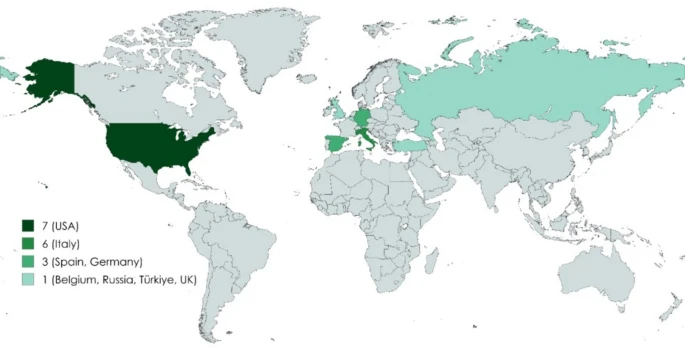 |
| Number of cases from different countries |
Conclusions
Our review highlights the diversity of clinical presentations and diagnostic approaches, and, for the first time, provides a consolidated resource for clinicians encountering this uncommon extraintestinal manifestation of giardiasis. In the initial evaluation of patients presenting with urticaria and a history of gastrointestinal symptoms, particularly those residing in areas with poor hygiene, potential exposure to contaminated water, or recent travel to such regions, parasitic infections, especially giardiasis, should be considered among the differential diagnoses. By addressing this under-recognized association, our study fills a significant knowledge gap regarding urticaria associated with giardiasis, ultimately facilitating earlier diagnosis, appropriate treatment, and improved patient prognosis.


No comments:
Post a Comment