
Abstract
Introduction: Uncontrolled asthma greatly affects quality of life globally and highlights unmet medical needs. Despite advances in treatment and care, many patients still experience delayed diagnoses, poor symptom control, and a reliance on emergency care. The Global Allergy and Airways Patient Platform (GAAPP) surveyed patients with moderate-to-severe uncontrolled asthma to assess their care experiences.
Methods: The GAAPP Time Clock Survey is a cross-sectional, online, multilingual survey of adults living in Brazil, Germany, Italy, Japan, Saudi Arabia, the United Arab Emirates, and the US. The survey examined diagnosis, symptoms, treatment outcomes, challenges in self-management, and timelines for care coordination.
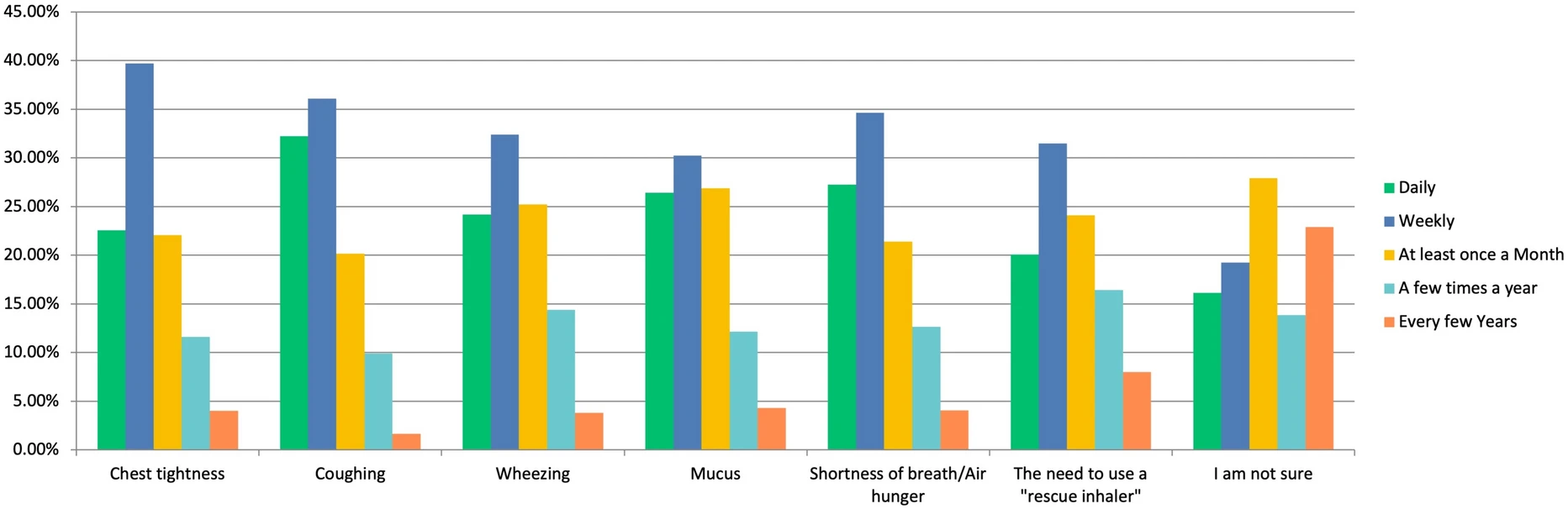 |
| Respondents’ Symptom Report Self-reported frequency of common asthma symptoms, including cough, shortness of breath, mucus production, wheezing, chest tightness, and rescue inhaler use |
Conclusion: This study underscores the importance of policy reforms that prioritize timely diagnosis, shared decision-making, and long-term disease control. Improving outcomes for patients with uncontrolled asthma will require both clinical innovation and structural transformation.


No comments:
Post a Comment