
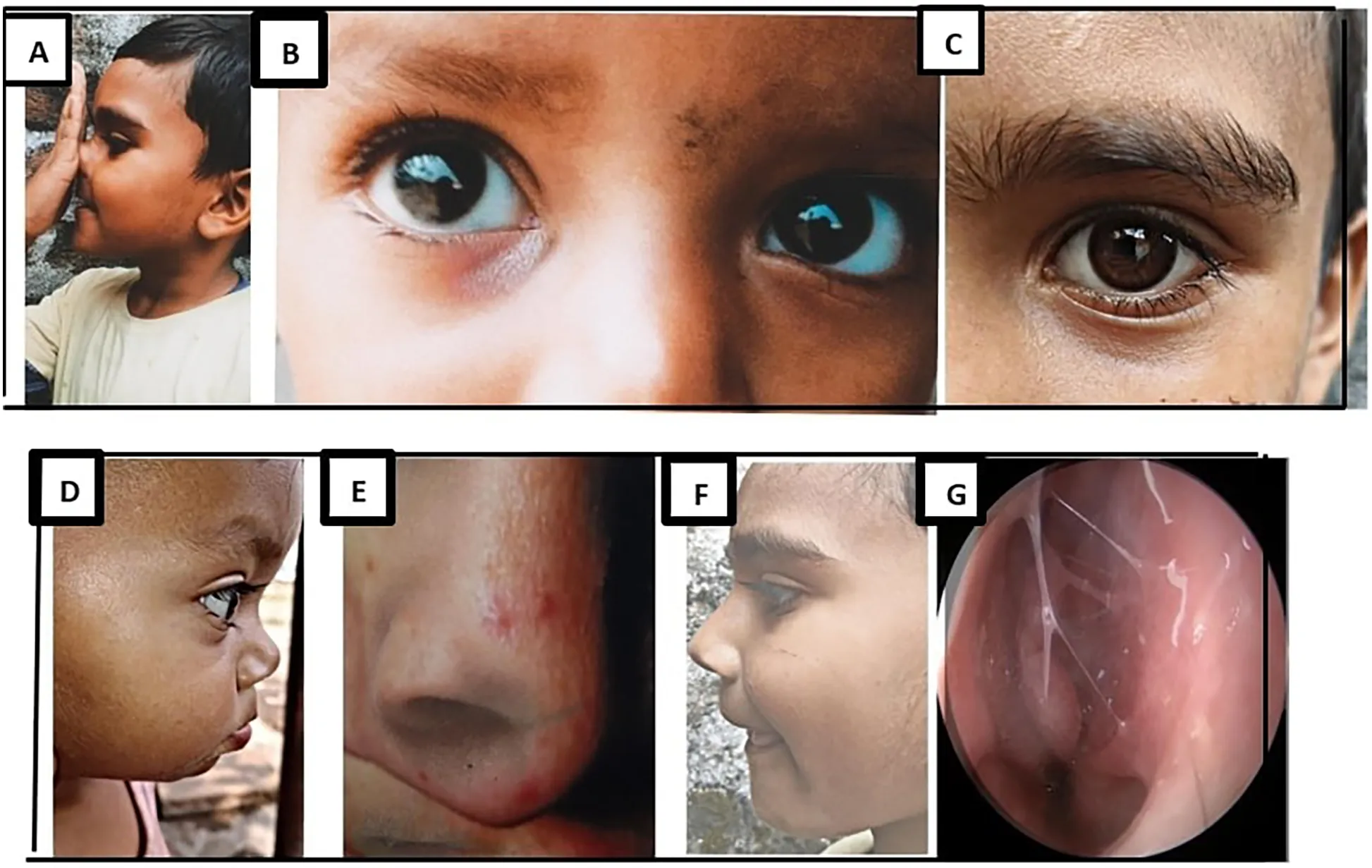
Singh AK, Shaili S, Siddiqui A et al. Front Allergy. 2025 Dec 4;6:1636415. doi: 10.3389/falgy.2025.1636415.
Abstract
Allergic rhinitis (AR) is a complex, multifactorial condition that continues to pose significant clinical and public health challenges, despite the availability of established therapeutic strategies. It significantly contributes to a lower quality of life by causing sleep issues, mental fatigue, and a decline in productivity. A thorough grasp of AR is crucial to enhancing diagnosis and treatment results because of its pervasive effects and ongoing management gaps. This review covers a wide range of topics, such as classification schemes, historical perception, and physical consequences of AR. It talks about the etiological elements that influence the pathophysiology of the illness and sheds light on the immune systems at play. By critically examining current diagnostic limitations and barriers to early intervention, this review underscores the necessity for improved clinical awareness and patient education. Additionally, the paper assesses the variety of existing treatment options, ranging from allergy immunotherapy to pharmaceutical interventions, and investigates breakthroughs in the treatment of AR, including phytotherapy and innovative therapeutic techniques. Trends in patient preferences and clinical uptake are noted, along with the market's evolution for AR treatments. Furthermore, current clinical studies for possible pharmacotherapies are examined, highlighting the significance of continued innovation in the treatment of AR. The review's conclusion makes recommendations for enhancing clinical practice, public health initiatives, and patient outcomes as well as future research directions. By highlighting the necessity of improved clinical awareness and intervention techniques, this thorough analysis seeks to offer a comprehensive understanding of AR and its management.


No comments:
Post a Comment