July 23, 2024

New insights into chronic inducible urticaria.

Muñoz, M., Kiefer, L.A., Pereira, M.P. et al.  Curr Allergy Asthma Rep (2024). https://doi.org/10.1007/s11882-024-01160-y

Abstract

Purpose of Review
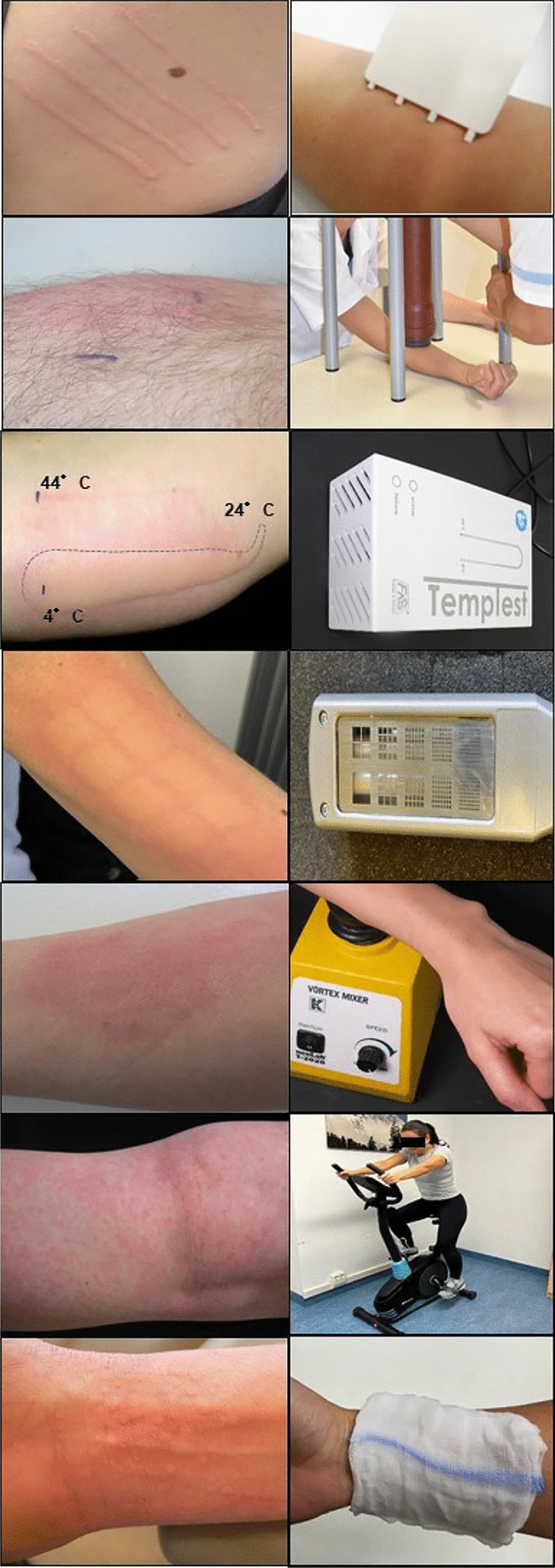
Chronic inducible urticaria (CIndU) is a group of long-persisting and challenging to manage diseases, characterized by recurrent wheals and angioedema induced by definite triggers. In this review, we address recent findings on CIndU pathogenesis, diagnosis as well as its treatment, and we discuss novel potential targets that may lead to the development of more effective therapies for CIndU patients.

Recent Advances

Meaningful advances in the understanding of its pathogenesis have been reported in the last decades. Novel CIndU-specific patient-reported outcome measures enable a closer and better evaluation of patients.

Summary

CIndU is a hard-to-treat disease that highly impairs quality of life (QoL) of affected patients. Provocation tests allow to diagnose CIndU subtypes. The only licensed and recommended treatment for CIndU are second generation non-sedating H1-antihistamines, which lack efficacy in many cases. Omalizumab off-label use has been assessed in all types of CIndU with overall good outcomes. Promising emerging therapies currently assessed in chronic spontaneous urticaria are paving the path for novel treatments for CIndU.

PDF

Role of Th2, Th17 and Treg Cells and relevant cytokines in pathogenesis of allergic rhinitis.

Guo, LP., Yan, M., Niu, RB. et al. Allergy Asthma Clin Immunol 20, 40 (2024). https://doi.org/10.1186/s13223-024-00905-8

Abstract

Objective

To explore the role of different cells and molecules in the pathogenesis of allergic rhinitis (AR) with positive Artemisia allergen by detecting their expression levels.

Methods

From January 2021 to December 2022,200 AR patients diagnosed in the Otolaryngology Clinic of Ordos Central Hospital were selected as the AR group, and 50 healthy people who underwent physical examination in the hospital during the same period were randomly selected as the healthy control (HC) group. The levels of GATA-3mRNA, RORγtmRNA and FoxP3mRNA in peripheral blood mononuclear cells were detected by real-time fluorescence quantitative PCR (qRT-PCR). The proportions of Th2, Th17 and Treg cells were detected by flow cytometry. The concentrations of IL-4, IL-5, IL-17 and IL-10 in serum were detected by enzyme-linked immunosorbent assay.

July 22, 2024

Mucocutaneous Manifestations in Patients with Dengue Fever: From the EPIDENGUE Cohort on Reunion Island.

Maillard O, Fera C, Joly E, Diallo K, Mavingui P, Diarra YM, Koumar Y, Cabié A, Bertolotti A. Acta Derm Venereol. 2024 Jul 18;104:adv40334. doi: 10.2340/actadv.v104.40334. 

ABSTRACT

Nearly 4 billion people live in a dengue risk area worldwide. The prevalence of dengue-related mucocutaneous manifestations and their association with severe dengue differ across studies. The aim of the study was to describe the characteristics of patients with dengue-related mucocutaneous manifestations and to investigate those were associated with severe dengue. A retrospective study was conducted in 2019 among patients with a positive RT-PCR for dengue at the University Hospital of Reunion, which has been experiencing a re-emergence of dengue since 2018. Of 847 patients with confirmed dengue, 283 (33.4%) developed mucocutaneous manifestations.

July 19, 2024

Atopic diseases—Diagnostics, mechanisms, and exposures

Schoos A-MPediatr Allergy Immunol202435:e14198. doi:10.1111/pai.14198


Abstract

Effect of mother and father's history of asthma on the yearly
risk of the child developing asthma till age 6 years.
Epidemiological data suggest that atopic diseases begin in early life and that most cases present clinically during early childhood. The diseases are highly prevalent and increase as communities adopt western lifestyles. Disentangling the pathophysiological mechanisms leading to disease debut is necessary to identify beneficial/harmful exposures so that successful prevention and treatment can be generated. The objective of this review is to explore the definition of atopy and mechanisms of atopic diseases, and to investigate the importance of environmental factors in early life, prior to disease development. First, the distribution of sIgE levels in children is investigated, as this is one of the main criteria for the definition of atopy.

Clinical and serological characteristics of patients allergic to LTP

Miralles-Lopez JC, Carbonell-Martínez A, Zamarro-Parra S et al. Allergol Immunopathol (Madr). 2024 Jul 1;52(4):9-14. doi: 10.15586/aei.v52i4.1074. 

Abstract

Background: Allergy to lipid transfer proteins (LPT) is common in Mediterranean Europe, and it causes severe reactions in patients and affects multiple foods, impairing the quality of life.

Objective: This study aimed to describe the clinical and sensitization profile of patients with LTP syndrome and to determine a clinical pattern of severity. Molecular diagnosis is shown in a broad population through microarrays.

Material and methods: This study was performed at the LTP Allergy Consultation of the Reina Sofia Hospital in Murcia, Spain. We analyzed the patients' characteristics, reactions, cofactors, food implicated, quality of life, skin prick test to food and aeroallergens, and serologic parameters, such as total immunoglobulin E, peach LTP (Pru p 3 IgE) and immunoglobulin G4, and microarray Immuno Solid-phase Allergen Chip (ISAC). We related the severity of the reactions with other variables.

July 18, 2024

Quality of Life in the Management of Anaphylaxis in Food-Allergic Adults.

Alotiby A. Int J Gen Med. 2024 Jul 11;17:3047-3055. doi: 10.2147/IJGM.S467915. 

Abstract

Background: Anaphylaxis is a life-threatening allergic reaction that can significantly affect the quality of life of those affected. Factors including undiagnosed allergies, lack of allergen information, and insufficient emergency training can impact the quality of life for food-allergic individuals. Well-informed patients are less likely to experience severe allergic responses, ensuring their safety and quality of life.

Aim: This study aims to evaluate the effectiveness of following preventive behavior, focusing on routine counseling and training provided by healthcare professionals in preventing anaphylaxis and assessing the impact of strict adherence to an allergen avoidance regimen against anaphylaxis.

Methods: This study was a descriptive, cross-sectional survey conducted in the Makkah region of Saudi Arabia. It involved adults aged 18 and above who had food allergies.

iPREDICT: Characterization of Asthma Triggers and Selection of Digital Technology to Predict Changes in Disease Control

Castro M, Zavod M, Rutgersson A, Jörntén-Karlsson M, Dutta B, Hagger L. J Asthma Allergy. 2024 Jul 10;17:653-666. doi: 10.2147/JAA.S458618.

Abstract

Purpose: The iPREDICT program aimed to develop an integrated digital health solution capable of continuous data streaming, predicting changes in asthma control, and enabling early intervention.

Patients and methods: As part of the iPREDICT program, asthma triggers were characterized by surveying 221 patients (aged ≥18 years) with self-reported asthma for a risk-benefit analysis of parameters predictive of changes in disease control. Seventeen healthy volunteers (age 25-65 years) tested 13 devices to measure these parameters and assessed their usability attributes.

Measurable parameters of the iPREDICT system.
Results: Patients identified irritants such as chemicals, allergens, weather changes, and physical activity as triggers that were the most relevant to deteriorating asthma control. Device testing in healthy volunteers revealed variable data formats/units and quality issues, such as missing data and low signal-to-noise ratio.

July 17, 2024

Delphi Consensus Statement on the Role of Probiotics in the Treatment of Atopic Dermatitis

Thomas J, Sachdeva M, Dhar S, et al. (July 15, 2024) Cureus 16(7): e64583. doi:10.7759/cureus.64583

Abstract

Background

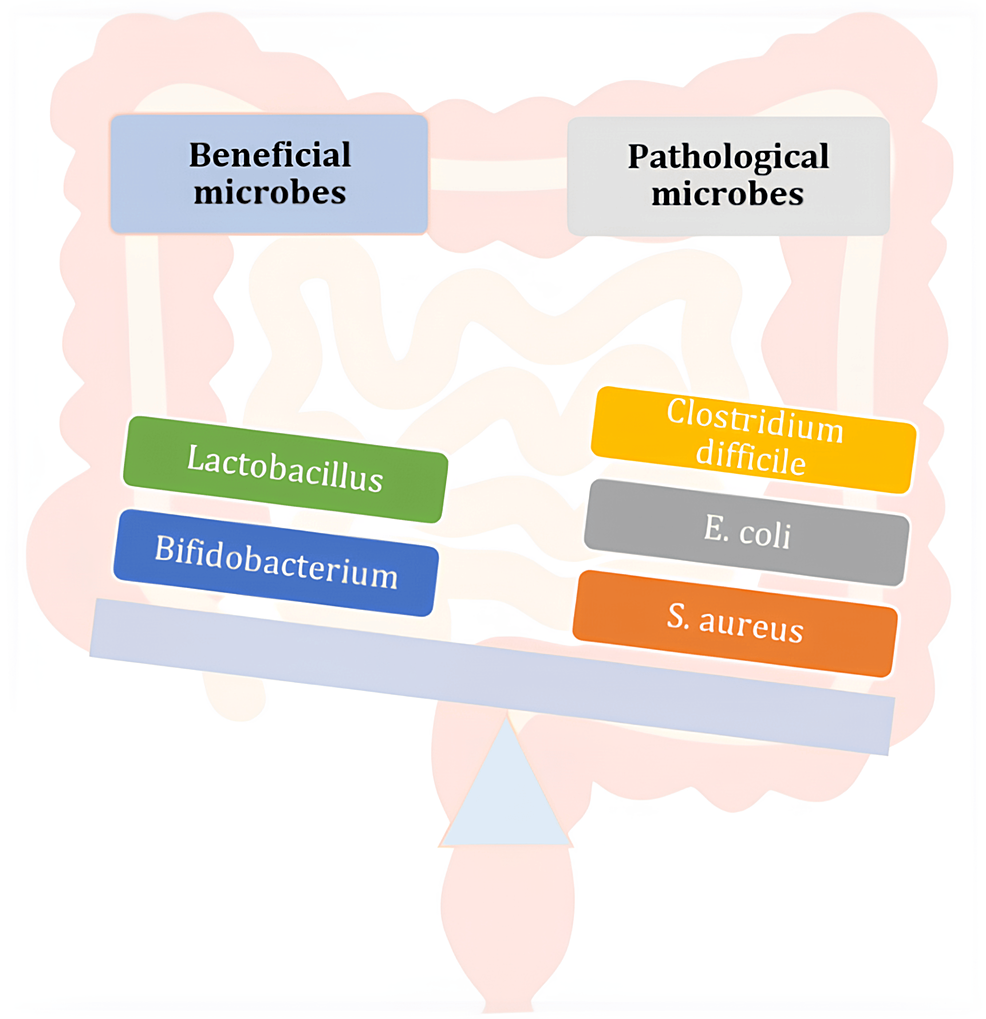
Gut dysbiosis in atopic dermatitis
Atopic dermatitis (AD) is a chronic inflammatory skin disease characterized by intense itching and recurrent eczematous lesions. Important factors in the etiopathogenesis of AD include genetic predisposition, epidermal barrier dysfunction, immune dysregulation, and gut and skin dysbiosis. Probiotics could be a potential preventive strategy for allergies including AD through immune system modulation as well as enhancement of the epithelial barrier integrity. To further understand the role of probiotics in the management of AD, a Knowledge, Attitude, and Practices (KAP) survey was conducted.

Materials and methods

A steering committee comprising nine experts formulated consensus recommendations on the role of probiotics in the management of AD and associated flare-ups through the use of the Knowledge, Attitude, and Practices questionnaire while analyzing literature reviews and responses from a national panel consisting of 175 members. The evidence strength and quality were evaluated based on the Agency for Healthcare Research and Quality (AHRQ) criteria. The acceptance of expert opinions as recommendations was considered upon receiving an endorsement from ≥70% of the panelists, as indicated by a Likert scale.