
Abstract
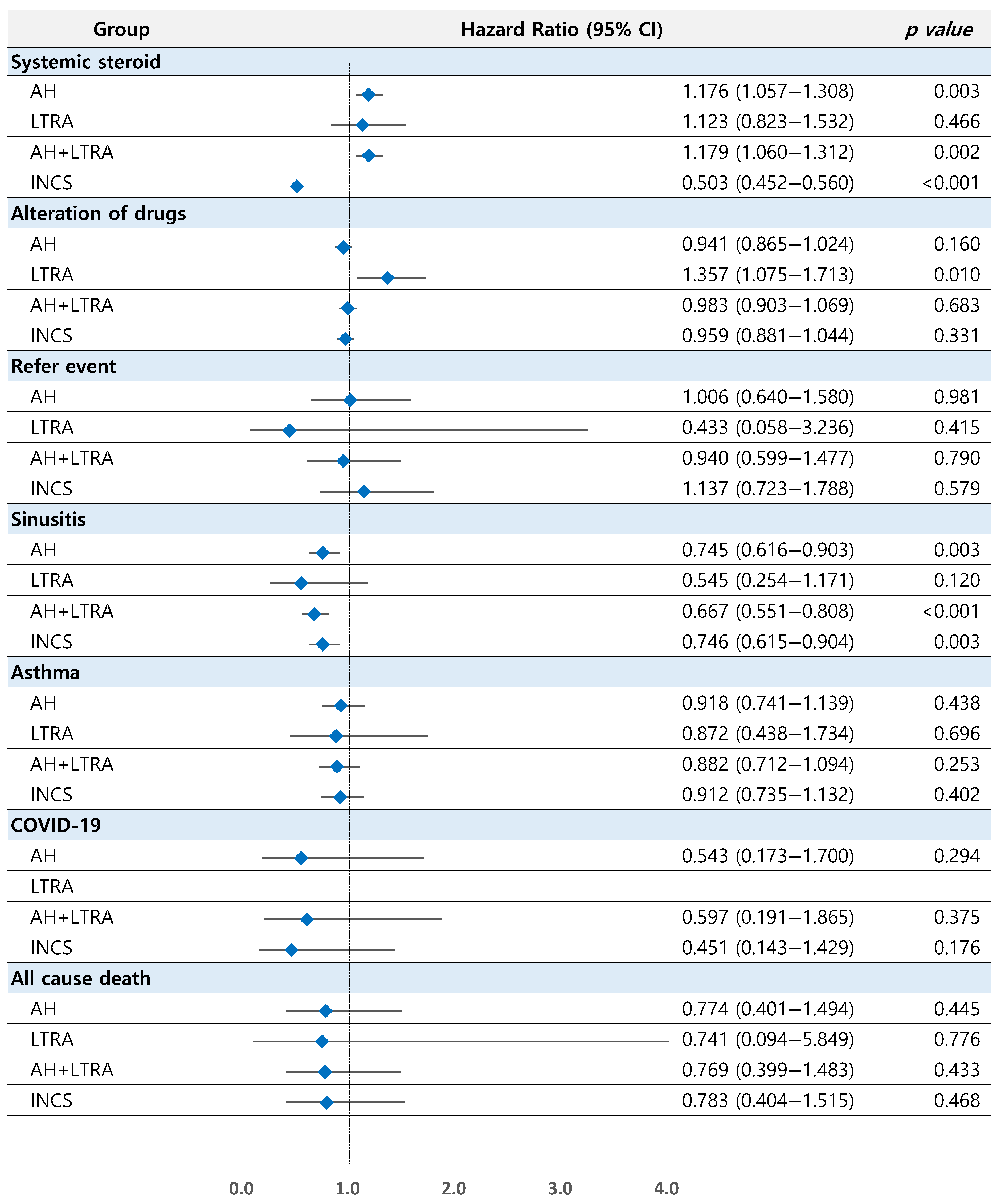 |
| Forest plot for clinical outcomes compared to other AR medication group. |
Abstract
|
| Forest plot for clinical outcomes compared to other AR medication group. |

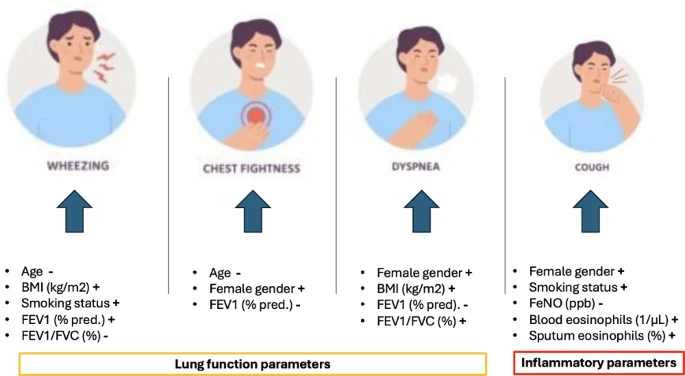 |
| Schematic representation of the relationship between demographics, f functional, inflammatory features and asthma symptoms. +Corresponds to a positive association, while −corresponds to a negative association. |

Abstract
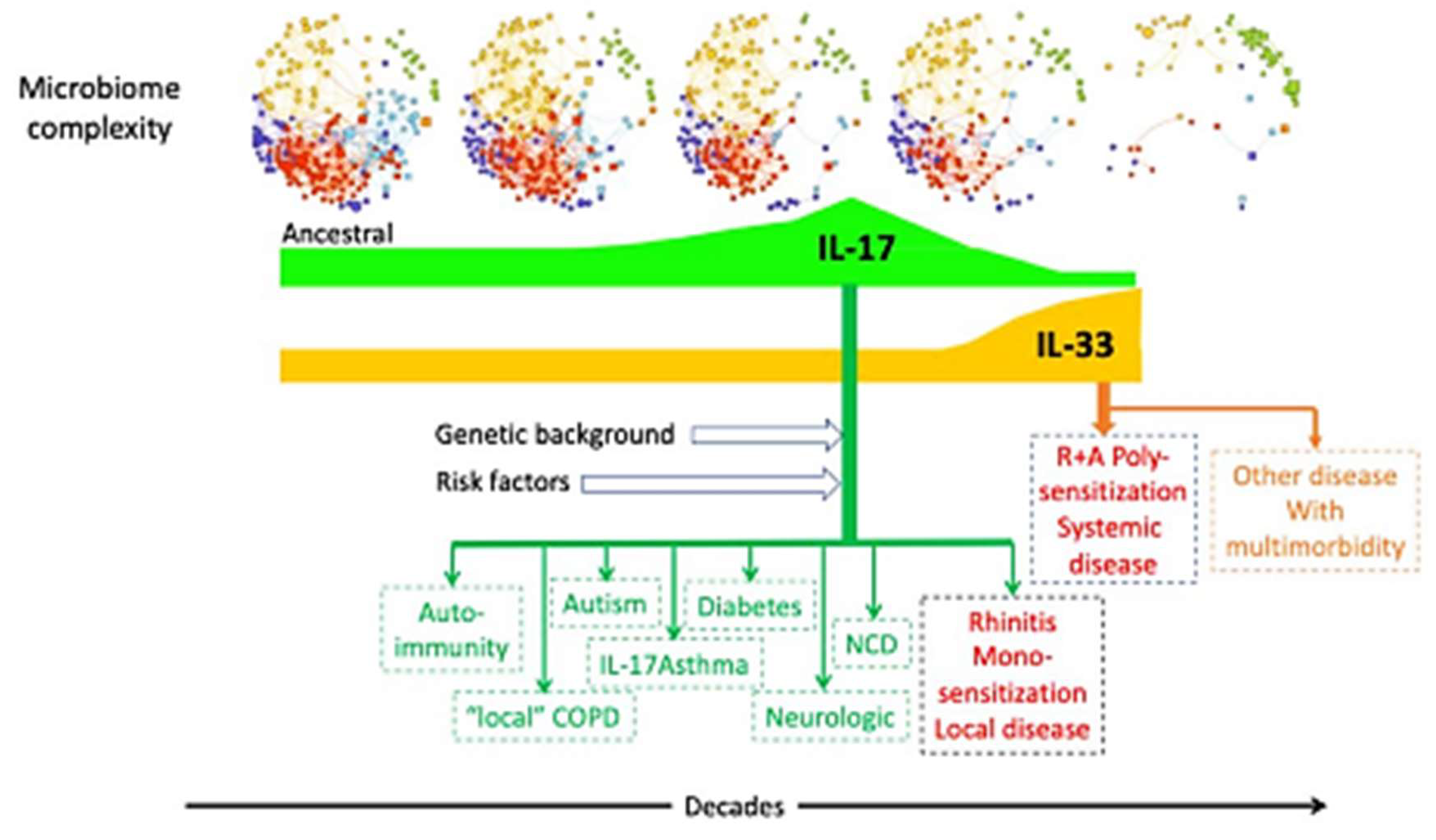 |
| Putative mechanisms between microbiome and diseases. |

Summary
Background
MTBVAC is a live attenuated tuberculosis vaccine, currently undergoing phase III evaluation for tuberculosis prevention. In previous preclinical studies, we found that local pulmonary administration of MTBVAC via the intranasal route had a strong therapeutic effect against asthma. This effect correlated with the abrogation of allergen-specific Th2 response in the lungs.
Methods
Using different mouse models of asthma, we investigated the effect of MTBVAC administered by intravenous (IV) route and its potential as immunotherapeutic agent to induce desensitisation of allergen-specific responses at a systemic level. We explored the effects of this process in the efficacy against airway hyperresponsiveness (AHR) induced by exposure to different allergens.
Findings
 |
| IV MTBVAC efficacy in two models of established asthma |

Abstract
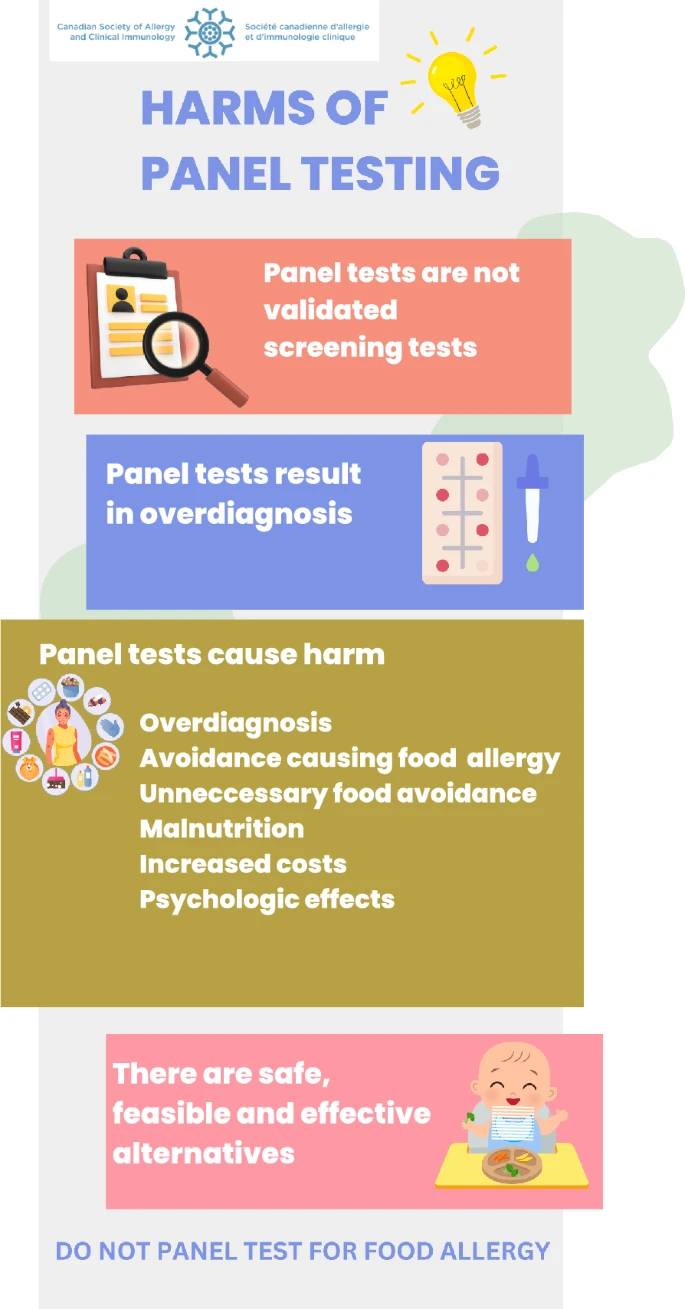 |
| Infographic for patient and clinician education regarding the harms of panel food testing |

Abstract
Background
Allergen immunotherapy (AIT) aims at modulating the immune response by administration of allergen preparations at regular intervals over several years (1). For subcutaneous AIT (SCIT), the treatment is initiated with a dose escalation phase followed by a maintenance dose administration. Over the last decade, there has been a trend towards shortening dose escalation regimens to increase patient adherence. This open-label, phase II trial aimed to investigate the safety and tolerability of a house dust mites (HDMs) SCIT product when used in a newly designed one-strength dose escalation scheme.
Method
Patients, aged 12–65, suffering from HDM-allergic rhinitis/rhinoconjunctivitis ± asthma were included. Patients were randomized to the one-strength (6 injections from the highest strength 3) or the Standard dose escalation regimen (14 injections from strengths 1 to 3) using the HDMs-SCIT product. All adverse events were reported.

Abstract
Background
Children growing up on farms or with pets have a lower risk of developing allergy, which may be linked to their gut microbiota development during infancy.
Methods
Children from the FARMFLORA birth cohort (N = 65), of whom 28 (43%) lived on a dairy farm and 40 (62%) had pets, provided fecal samples at intervals from 3 days to 18 months of age. Gut microbiota composition was characterized using quantitative microbial culture of various typical anaerobic and facultatively anaerobic bacteria, with colonization rate and population counts of bacterial groups determined at the genus or species level.
.webp)

