December 6, 2024

Appropriate Allergic Rhinitis Medications Can Reduce Systemic Steroid Requirement and Prevent Rhinosinusitis

Byun MK, Yang WJ, Choi YJ et al.  J Clin Med. 2024 Nov 13;13(22):6809. doi: 10.3390/jcm13226809. 


Abstract

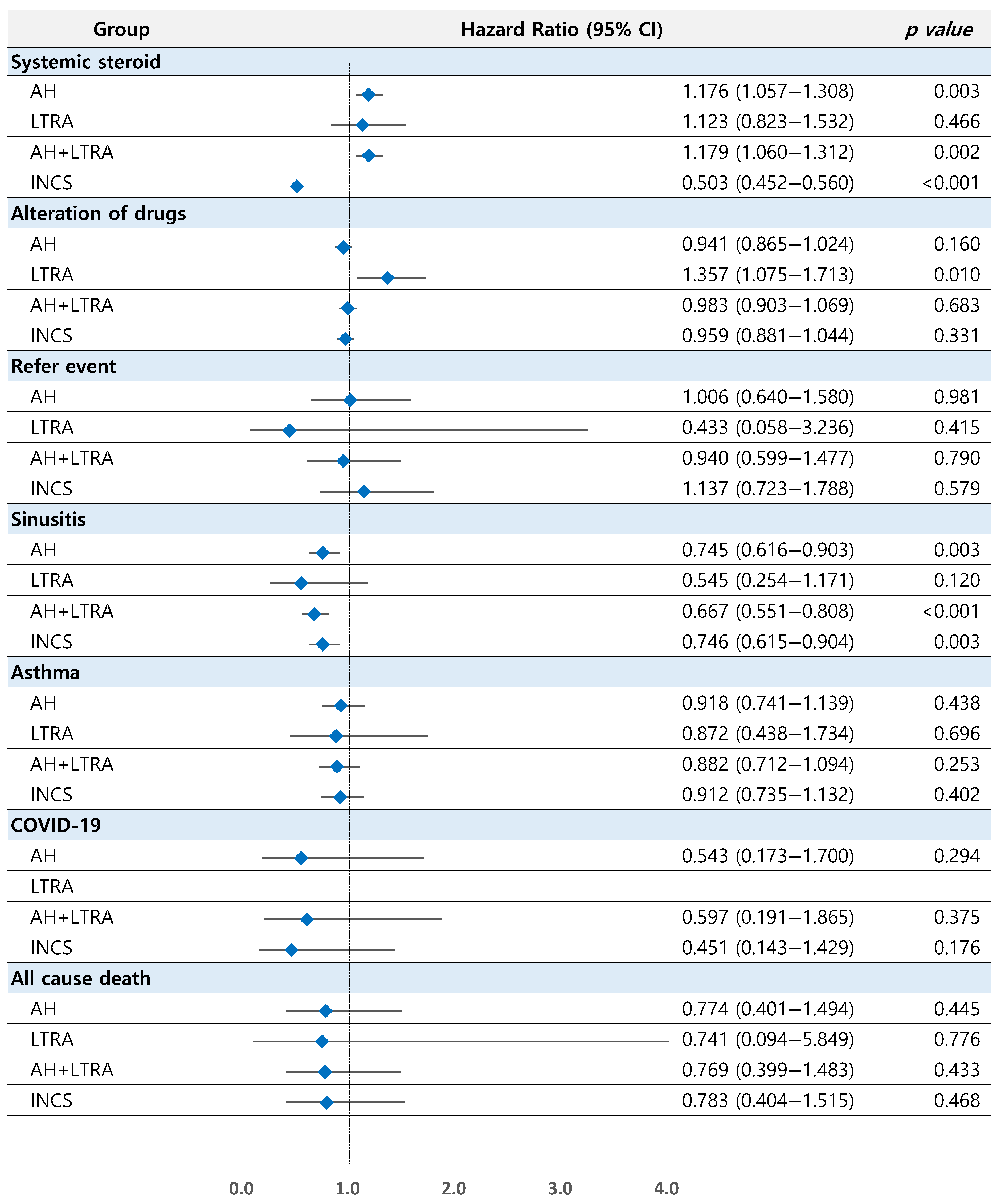
Forest plot for clinical outcomes compared
to other AR medication group.
Background: Allergic rhinitis (AR) is quite common and sometimes it requires systemic steroids and can be accompanied by coronavirus disease-2019 (COVID-19), rhinosinusitis, or asthma. We aimed to determine the comparative effect of different types of AR medications on clinical prognosis in real-world settings. Methods: We used national claims data provided by the National Health Insurance Service in the Republic of Korea. We enrolled 275,895 adult patients who were first diagnosed with AR and started AR medications between 1 January 2018 and 31 December 2018. We classified them into five groups according to the type of AR medication prescribed and analyzed their 3-year follow-up data.

December 4, 2024

When patient-reported respiratory symptoms shed light on pathophysiology in adult asthma: a cross-sectional study

Louis G, Pétré B, Sousa-Pinto B, Bousquet J, Van Ganse É, Schleich F, Louis R. Sci Rep. 2024 Dec 2;14(1):29997. doi: 10.1038/s41598-024-81745-9. 

Abstract

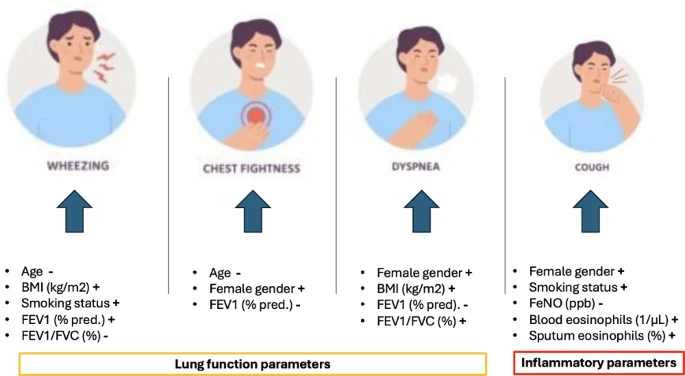
Schematic representation of the relationship between demographics, f
functional, inflammatory features and asthma symptoms.
+Corresponds to a positive association,
while −corresponds to a negative association.
While studies have demonstrated the impact of asthma symptoms on quality of life, very few studies have investigated the relationship between detailed asthma symptoms, as reported by the patient, and lung function and inflammation. A cross-sectional study was conducted on treated (ICS/LABA) adult (> 18 years) asthma patients recruited from the Liege University Hospital Asthma Clinic (Belgium) between 2018 and 2023 (n = 505).

December 2, 2024

Infertility, IL-17, IL-33 and Microbiome Cross-Talk: The Extended ARIA-MeDALL Hypothesis

Hamamah, S.; Barry, F.; Vannier, S.; Anahory, T.; Haahtela, T.; Antó, J.M.; Chapron, C.; Ayoubi, J.-M.; Czarlewski, W.; Bousquet, J.  Int. J. Mol. Sci. 2024, 25, 11981. https://doi.org/10.3390/ijms252211981

Abstract

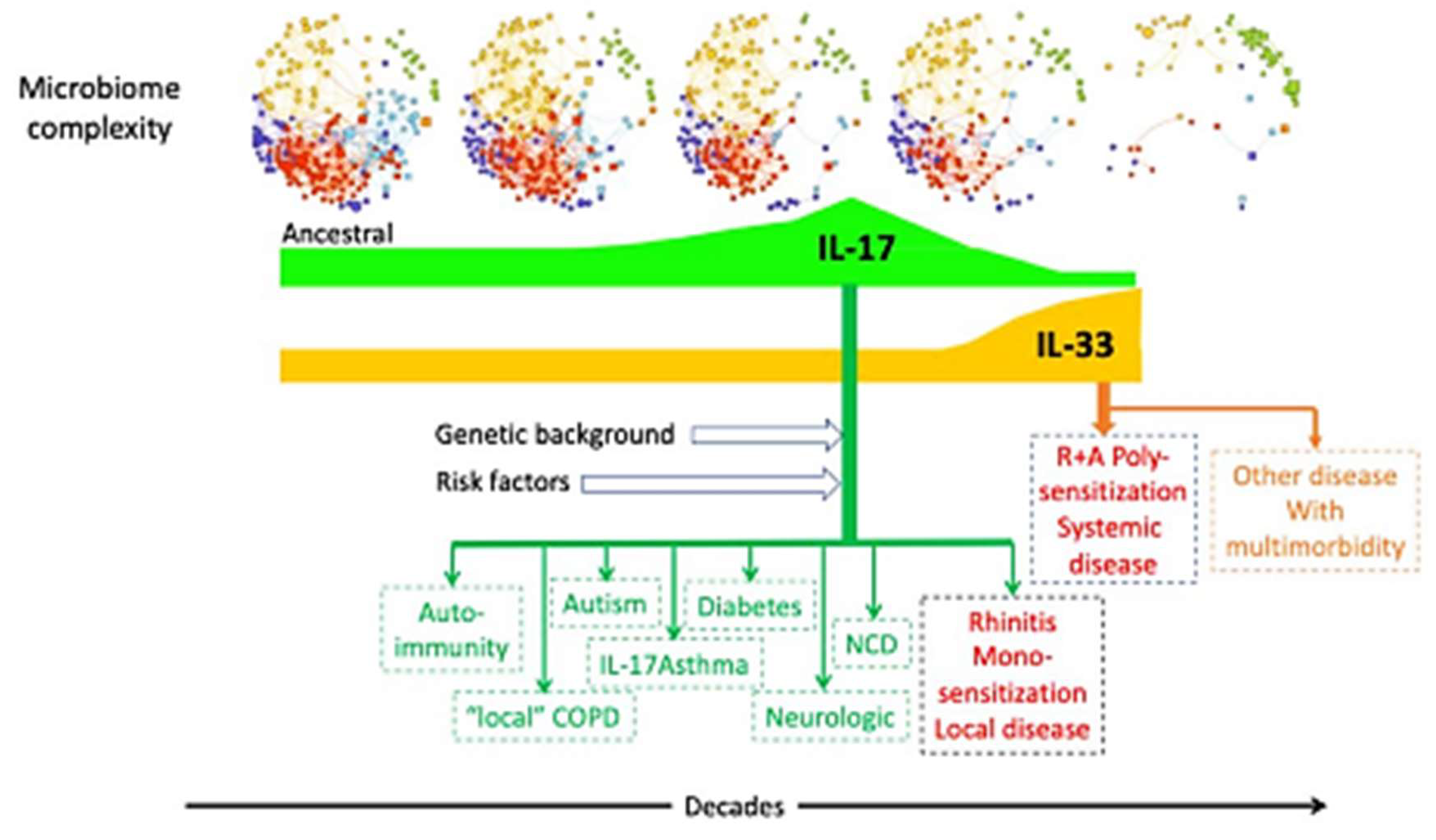
Putative mechanisms between microbiome and diseases.
Infertility, defined as the inability to obtain pregnancy after 12 months of regular unprotected sexual intercourse, has increased in prevalence over the past decades, similarly to chronic, allergic, autoimmune, or neurodegenerative diseases. A recent ARIA-MeDALL hypothesis has proposed that all these diseases are linked to dysbiosis and to some cytokines such as interleukin 17 (IL-17) and interleukin 33 (IL-33).

December 1, 2024

Correlation between systemic allergen desensitisation and long-term asthma protection in mice following intravenous administration of the live tuberculosis vaccine MTBVAC

Calvo, Silvia et al. eBioMedicine, Volume 107, 105272

Summary

Background

MTBVAC is a live attenuated tuberculosis vaccine, currently undergoing phase III evaluation for tuberculosis prevention. In previous preclinical studies, we found that local pulmonary administration of MTBVAC via the intranasal route had a strong therapeutic effect against asthma. This effect correlated with the abrogation of allergen-specific Th2 response in the lungs.

Methods

Using different mouse models of asthma, we investigated the effect of MTBVAC administered by intravenous (IV) route and its potential as immunotherapeutic agent to induce desensitisation of allergen-specific responses at a systemic level. We explored the effects of this process in the efficacy against airway hyperresponsiveness (AHR) induced by exposure to different allergens.

Findings

IV MTBVAC efficacy in two models
of established asthma
IV MTBVAC was highly efficient at reducing AHR induced by different allergens.

November 30, 2024

Canadian Society of Allergy and Clinical Immunology position statement: panel testing for food allergies


Al Ghamdi, A., Abrams, E., Carr, S. et al. Allergy Asthma Clin Immunol 20, 61 (2024). https://doi.org/10.1186/s13223-024-00937-0

Abstract

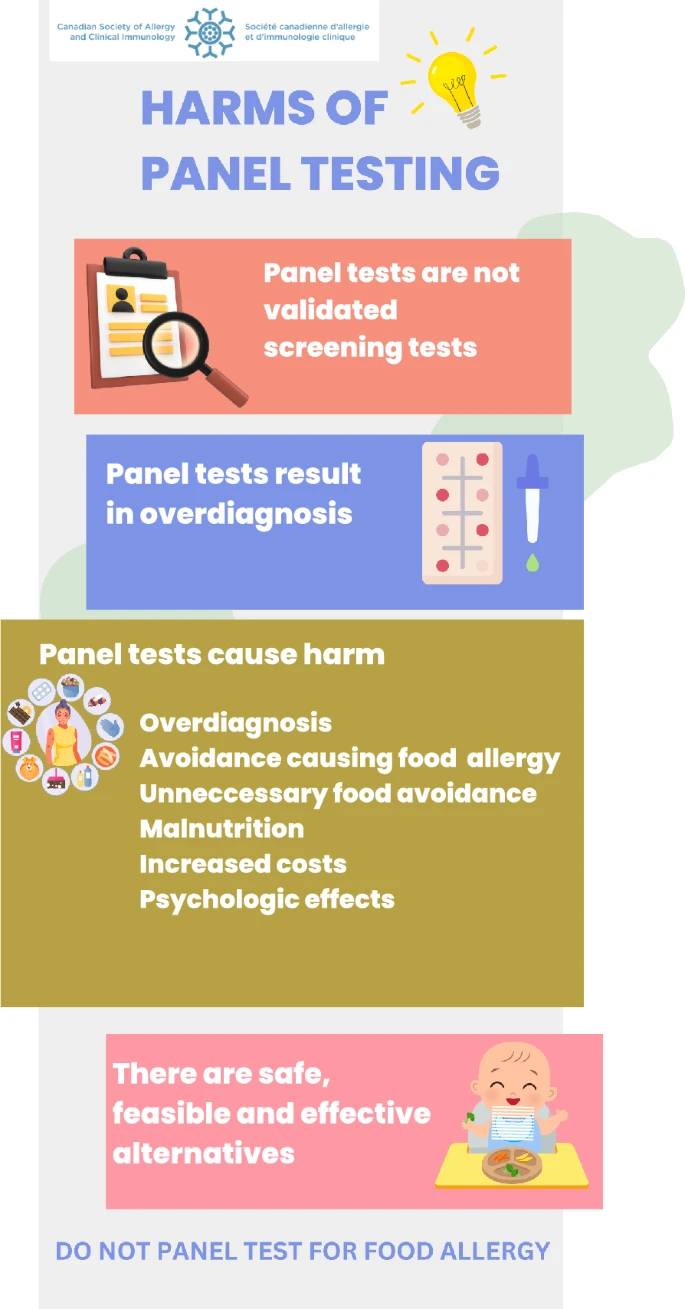
Infographic for patient and clinician education
regarding the harms of panel food testing
This position statement addresses the critical concerns and recommended practices surrounding the use of panel food testing for diagnosing food allergies. Food allergies are a significant public health concern, and the misdiagnosis of food allergies remains a prevalent concern, made worse by the ongoing use of panel food testing. The practice of screening patients for multiple food allergens, regardless of clinical relevance, is commonly referred to as “panel food testing.” Fundamentally, a panel food test is not simply a single test; a panel food test is a series of several distinct tests for multiple foods, each with its own variable predictive value.

November 29, 2024

One-strength dose escalation of house dust mite depot product for subcutaneous immunotherapy is safe and tolerable

Jutel M, Vogelberg C, Duwensee K, Troyke D, Klimek L.  Allergy. 2024 Nov 14. doi: 10.1111/all.16370. 

Abstract

Background

Allergen immunotherapy (AIT) aims at modulating the immune response by administration of allergen preparations at regular intervals over several years (1). For subcutaneous AIT (SCIT), the treatment is initiated with a dose escalation phase followed by a maintenance dose administration. Over the last decade, there has been a trend towards shortening dose escalation regimens to increase patient adherence. This open-label, phase II trial aimed to investigate the safety and tolerability of a house dust mites (HDMs) SCIT product when used in a newly designed one-strength dose escalation scheme.

Method

Patients, aged 12–65, suffering from HDM-allergic rhinitis/rhinoconjunctivitis ± asthma were included. Patients were randomized to the one-strength (6 injections from the highest strength 3) or the Standard dose escalation regimen (14 injections from strengths 1 to 3) using the HDMs-SCIT product. All adverse events were reported.

November 28, 2024

Gut microbiota markers in early childhood are linked to farm living, pets in household and allergy.

Ljung A, Gio-Batta M, Hesselmar B, Imberg H, Rabe H, Nowrouzian FL, Johansen S, Törnhage CJ, Lindhagen G, Ceder M, Lundell AC, Rudin A, Wold AE, Adlerberth I.  PLoS One. 2024 Nov 27;19(11):e0313078. doi: 10.1371/journal.pone.0313078.

Abstract

Background

Children growing up on farms or with pets have a lower risk of developing allergy, which may be linked to their gut microbiota development during infancy.

Methods

Children from the FARMFLORA birth cohort (N = 65), of whom 28 (43%) lived on a dairy farm and 40 (62%) had pets, provided fecal samples at intervals from 3 days to 18 months of age. Gut microbiota composition was characterized using quantitative microbial culture of various typical anaerobic and facultatively anaerobic bacteria, with colonization rate and population counts of bacterial groups determined at the genus or species level.

Treating eosinophilic exacerbations of asthma and COPD with benralizumab (ABRA): a double-blind, double-dummy, active placebo-controlled randomised trial


Summary

Background

Exacerbations of asthma and chronic obstructive pulmonary disease (COPD) are important events and are associated with critical illness. Eosinophilic inflammation is a treatable trait commonly found during acute exacerbations of asthma and COPD. We hypothesised that for patients with eosinophilic exacerbations, a single injection of benralizumab, a humanised monoclonal antibody against interleukin-5 receptor-α, alone or in combination with prednisolone, will improve clinical outcomes compared with prednisolone, the standard of care.

Methods

The Acute exacerbations treated with BenRAlizumab trial (ABRA) was a multicentre, phase 2, double-blind, double-dummy, active placebo-controlled randomised trial completed in the UK at Oxford University Hospitals NHS Foundation Trust and Guy's and St Thomas' NHS Foundation Trust. Patients were recruited from urgent care clinics and emergency departments of these two hospitals. At the time of an acute exacerbation of asthma or COPD, adults with blood eosinophil counts of equal to or more than 300 cells per μL were randomly assigned in a 1:1:1 ratio to receive acute treatment with: prednisolone 30 mg once daily for 5 days and 100 mg benralizumab subcutaneous injection once (BENRA plus PRED group); placebo tablets once daily for 5 days and 100 mg benralizumab subcutaneous injection once (BENRA group); or prednisolone 30 mg once daily for 5 days and placebo subcutaneous injection once (PRED group).