December 23, 2025

Nirsevimab vs RSVpreF Vaccine for Respiratory Syncytial Virus–Related Hospitalization in Newborns

Jabagi M, Bertrand M, Gabet A et al.  JAMA. Published online December 22, 2025. doi:10.1001/jama.2025.24082

Key Points

  • Question  How does maternal vaccination with the respiratory syncytial virus prefusion F protein (RSVpreF) vaccine compare with passive infant immunization with nirsevimab for the prevention of RSV-related hospitalization?
  • Findings  In this French nationwide study, infant immunization with nirsevimab was associated with a lower risk of RSV-related hospitalization compared with maternal vaccination with the RSVpreF vaccine (hazard ratio, 0.74). The risk of severe outcomes, including admission to the pediatric intensive care unit and requiring ventilator support or oxygen therapy, was also lower.
  • Meaning  Compared with maternal vaccination with the RSVpreF vaccine during the first RSV season in France, infant immunization with nirsevimab was associated with a lower risk of RSV-related hospitalization.

Abstract

Importance  Respiratory syncytial virus (RSV) is a leading cause of hospitalization in infants. The comparative effectiveness of 2 recently introduced preventive strategies (infant immunization through placental antibody transfer after maternal vaccination with the RSV prefusion F protein [RSVpreF] vaccine and passive infant immunization with nirsevimab) remains unknown.

Objective  To compare the associations of maternal vaccination with the RSVpreF vaccine vs passive infant immunization with nirsevimab for the prevention of RSV-related hospitalization.

Design, Setting, and Participants  This population-based cohort study used data from the French National Health Data System. Maternal vaccination with the RSVpreF vaccine occurred during 32 to 36 weeks’ gestation among infants born in mainland France between September 1 and December 31, 2024. Passive infant immunization with nirsevimab occurred prior to hospital discharge. Infants were matched 1:1 by maternity ward discharge date, sex, gestational age, and region. Follow-up ended at the time of RSV hospitalization or death or on February 28, 2025.

Exposures  Maternal immunization with the RSVpreF vaccine and passive infant immunization with nirsevimab.

Main Outcomes and Measures  The primary outcome was hospitalization for RSV-associated lower respiratory tract infection. The secondary outcomes included admission to the pediatric intensive care unit (PICU), admission to high-dependency unit, ventilator support, and oxygen therapy. The hazard ratios (HRs) were estimated using conditional Cox proportional hazards models with inverse probability of treatment weighting.

Comparative Analysis for Primary Outcome of Hospitalization
for Respiratory Syncytial Virus (RSV)–Associated Lower Respiratory
Tract Infection and Secondary Outcomes Among Matched Infants
Results  A total of 42 560 infants (mean age, 3.7 [SD, 1.4] days; 51.7% male) were included in the study (21 280 per group) with a median follow-up of 84 days (IQR, 70-99 days). Of the 481 hospitalizations for RSV-associated lower respiratory tract infection, 212 (44.1%) occurred in the nirsevimab group vs 269 (55.9%) in the RSVpreF vaccine group (between-group difference, −11.8% [95% CI, −18.1% to −5.5%]).

December 22, 2025

Association between yellow dust, PM2.5, and hay fever: A large-scale crowdsourced observational study using the AllerSearch smartphone application

Nagino K, Inomata T, Ebihara N et al. Allergol Int. 2025 Dec 16:S1323-8930(25)00127-3. doi: 10.1016/j.alit.2025.11.008.

Abstract

Background

This large-scale crowdsourced observational study investigated the association between yellow dust, particulate matter 2.5 (PM2.5), and hay fever symptoms using the AllerSearch smartphone application.

Methods

Participants with hay fever were divided into four groups based on combinations of high and low pollen and PM2.5/yellow dust dispersion levels. Nine hay fever symptom scores and quality of life (QoL) scores were compared among the groups. Multivariate analysis evaluated independent associations between pollen and PM2.5/yellow dust dispersion levels and hay fever symptom and QoL scores. Risk factors for individuals experiencing worsening hay fever symptoms during PM2.5/yellow dust dispersion were evaluated using multivariate logistic regression analysis.

Results

Heatmaps showing the distribution of the number of participants,
pollen dispersion levels, and PM2.5/yellow dust dispersion levels
 by prefecture in Japan from February to May.
This analysis included 6468 participants. All hay fever symptom scores except “ear and/or mouth itching,” and all QoL scores were significantly higher in the “low pollen and moderate-to-high PM2.5/yellow dust” group versus the “low pollen and low PM2.5/yellow dust” group.

December 19, 2025

Aspergillus fumigatus sensitization is associated with high-risk bronchiectasis

Tiew PY, Narayana JK, Jaggi TK et al.  Chest. 2025 Dec 10:S0012-3692(25)05826-X. doi: 10.1016/j.chest.2025.12.001. 

Abstract

Background: Fungal sensitization is an increasingly recognized endophenotype in chronic respiratory disease, however, its role in bronchiectasis remains poorly defined. This study aims to provide the most comprehensive evaluation to date of fungal sensitization and its clinical relevance in bronchiectasis using an expanded panel of crude and recombinant fungal allergens.

Research question: What is the prevalence and clinical implications of fungal sensitization in bronchiectasis?

Study design and methods: We conducted an international, multi-centre evaluation of fungal sensitization across six tertiary centres in four countries (Singapore, Malaysia, United Kingdom and Italy) prospectively recruiting N=277 individuals with bronchiectasis. Using a comprehensive, expanded allergen panel including 11 crude and 24 recombinant fungal allergens (total: 35 allergens and 9,695 individual assays), we assessed sensitization responses in relation to clinical characteristics, exacerbation frequency and geographic origin. Low baseline exacerbations is defined as < 3, and high as ≥ 3 in the preceding 12 months of study recruitment.

Polysensitization to recombinant Aspergillus fumigatus (rAsp f)
12, 15 and 17 associates with 587 increased severe
(hospitalized) exacerbations in bronchiectasis. 
Results: Sensitization to recombinant Aspergillus fumigatus (rAsp f) links to bronchiectasis severity. Measurable responses to rAsp f allergens 12, 15, and 17 associates with severe (hospitalized) exacerbations. particularly in those with low baseline exacerbations (low-risk) .

December 17, 2025

Cardiovascular Events 1 Year After Respiratory Syncytial Virus Infection in Adults

Hviid A, Fischer TK, Biering-Sørensen T, Bech Svalgaard I.  JAMA Netw Open. 2025;8(12):e2547618. doi:10.1001/jamanetworkopen.2025.47618

Key Points

Question  Is respiratory syncytial virus (RSV) infection in adults aged 45 years or older associated with an increased risk of cardiovascular events beyond the immediate acute phase?

Findings  In this cohort study in 17 494 matched patients with and without RSV infection, RSV infection was associated with 4.69 additional cardiovascular events for every 100 older individuals with infection in the year following RSV infection.

Meaning  These findings suggest that public health measures, such as vaccination, may prevent not only acute respiratory disease but also cardiovascular disease.

Abstract

Importance  Respiratory syncytial virus (RSV) infection has recently been recognized as common among adults, but data on the burden of cardiovascular disease (CVD) beyond the immediate acute phase are lacking.

December 16, 2025

ARIA WEBINAR N°3: 8th, 9th & 12th December 2025. ARIA 2024-2025 guidelines: Recommendations on oral and ocular treatments

AGENDA

ARIA 2024-2025 guidelines: Recommendations on oral and ocular treatments

Jean Bousquet:

- Presentation of the recommendations of oral antihistamines versus intranasal treatments for the ARIA 2024-2025 guidelines
- Why is it important to evaluate as-needed vs chronic treatment in allergic rhinitis?
- Why is it important to evaluate rhinitis alone and rhinitis+asthma in the treatment of allergic rhinitis?

Bernardo Sousa Pinto:

- Co-medication vs dose increase medication: Methods and preliminary results of the systematic review and Roadmap for developing recommendations
- As-needed vs chronic treatment in allergic rhinitis: Roadmap for developing recommendations


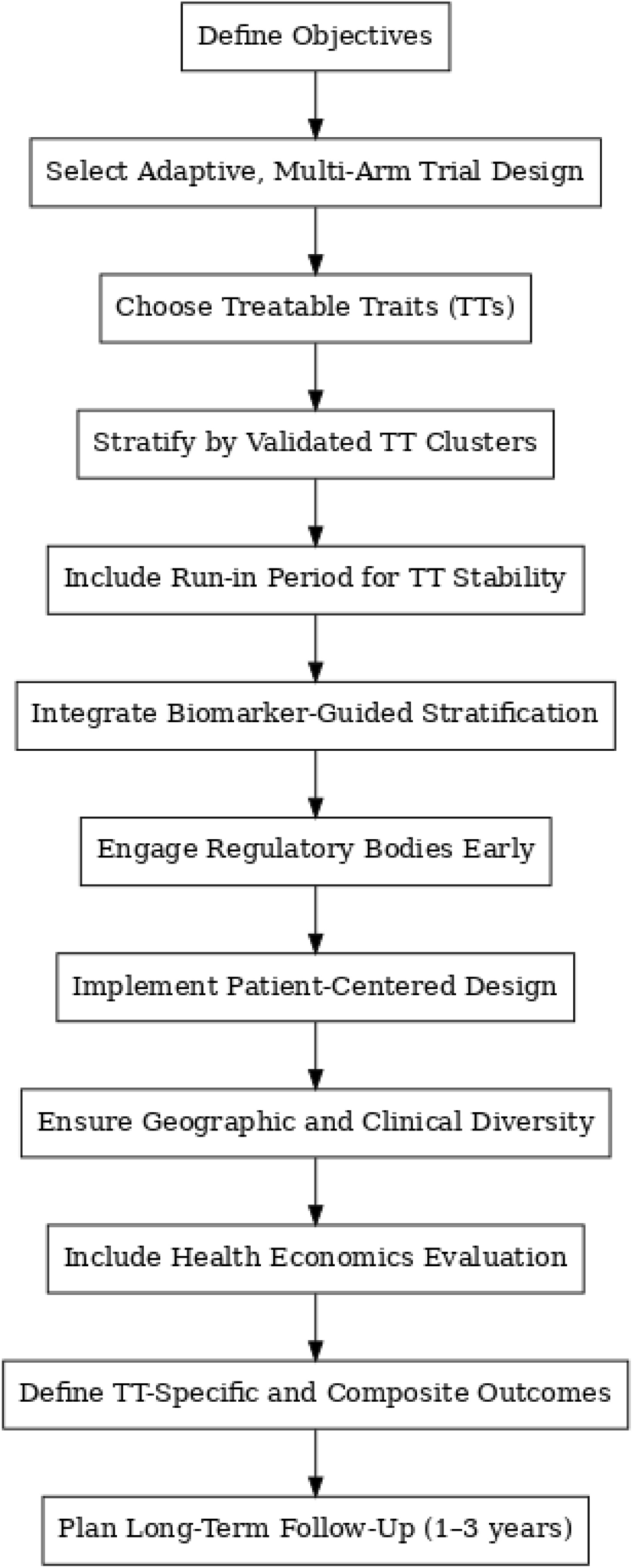
Emerging Therapeutics in COPD: Mapping Innovation to Treatable Traits

Cazzola M, McDonald VM, Stolz D, Rogliani P, Matera MG.  Lung 2025 Sep 3;203(1):92. doi: 10.1007/s00408-025-00844-0.


Abstract

Chronic Obstructive Pulmonary Disease (COPD) is a complex, heterogeneous condition characterized by diverse clinical phenotypes and underlying pathobiological mechanisms. Traditional “one-size-fits-all” management strategies have limited effectiveness in addressing this heterogeneity. The Treatable Traits (TTs) approach represents a precision medicine paradigm that targets specific, identifiable, and modifiable traits in individual patients, regardless of diagnostic labels. This paper explores the alignment between the TTs framework and emerging pharmacological therapies, with a particular focus on anti-inflammatory agents and bronchodilators currently under investigation. Each drug category is mapped to relevant TTs, such as eosinophilic or neutrophilic inflammation, corticosteroid resistance, chronic bronchitis, and frequent exacerbations.

December 10, 2025

Distribution and status of ragweed (Ambrosia spp.) in northwestern South America and its potential health and environmental impacts

Espinoza-Maticurena A, Vargas A, Rodas-Valero G et al. Sci Rep. 2025 Dec 9. doi: 10.1038/s41598-025-30840-6.

Abstract

Ambrosia
 species, commonly known as ragweed, are among the most problematic invasive weeds worldwide due to their aggressive spread and highly allergenic pollen. While extensively studied in North America, Europe, and Asia, there is limited research on their presence in tropical South America. This article focuses on the distribution, status, and potential impacts of Ambrosia in Colombia, Ecuador, and Peru.

December 9, 2025

Penicillin allergy assessment pathway versus usual clinical care for primary care patients with a penicillin allergy record in the UK (ALABAMA): an open-label, multicentre, randomised controlled trial

Sandoe, Jonathan A T, Bongard, Emily et al. The Lancet Primary Care, Volume 1, Issue 1, 100006

Summary

Background

Penicillin allergy labels in medical records are common, often incorrect, and associated with increased antibiotic use and worse health outcomes. We aimed to establish whether a penicillin allergy assessment pathway initiated in primary care could safely improve use of penicillins.

Methods

Trial profile
ALABAMA was a multicentre, open-label, randomised pragmatic trial with embedded process and cost-effectiveness evaluations. Participants came from 51 UK general practices and testing took place at four UK hospital sites (Leeds Teaching Hospitals NHS Trust, Sheffield Teaching Hospitals NHS Foundation Trust, Royal Cornwall Hospitals NHS Trust, and Bradford Teaching Hospitals NHS Foundation Trust). Eligible participants were aged 18 years or older, provided informed consent, had a record of penicillin allergy or sensitivity in their electronic medical records, had received an antibiotic prescription in the previous 24 months, and were outpatients at the time of recruitment.