Chronic Obstructive Pulmonary Disease (COPD) is a complex, heterogeneous condition characterized by diverse clinical phenotypes and underlying pathobiological mechanisms. Traditional “one-size-fits-all” management strategies have limited effectiveness in addressing this heterogeneity. The Treatable Traits (TTs) approach represents a precision medicine paradigm that targets specific, identifiable, and modifiable traits in individual patients, regardless of diagnostic labels. This paper explores the alignment between the TTs framework and emerging pharmacological therapies, with a particular focus on anti-inflammatory agents and bronchodilators currently under investigation. Each drug category is mapped to relevant TTs, such as eosinophilic or neutrophilic inflammation, corticosteroid resistance, chronic bronchitis, and frequent exacerbations. This review highlights the importance of biomarker-driven phenotyping and real-world data in designing TT-based clinical trials. It emphasizes challenges such as trait instability over time, comorbidity clustering, and trial design heterogeneity. Moreover, we advocate for incorporating digital health tools, long-term follow-up, and cost-effectiveness analyses to ensure translational relevance. In conclusion, integrating emerging therapies with the TTs approach holds substantial promise for personalizing COPD management, improving outcomes, and facilitating targeted drug development.
A blog that publishes updates and open access scientific papers about allergy, asthma and immunology. Editor: Juan Carlos Ivancevich, MD. Specialist in Allergy & Immunology
December 16, 2025
Emerging Therapeutics in COPD: Mapping Innovation to Treatable Traits
Cazzola M, McDonald VM, Stolz D, Rogliani P, Matera MG. Lung 2025 Sep 3;203(1):92. doi: 10.1007/s00408-025-00844-0.
Abstract
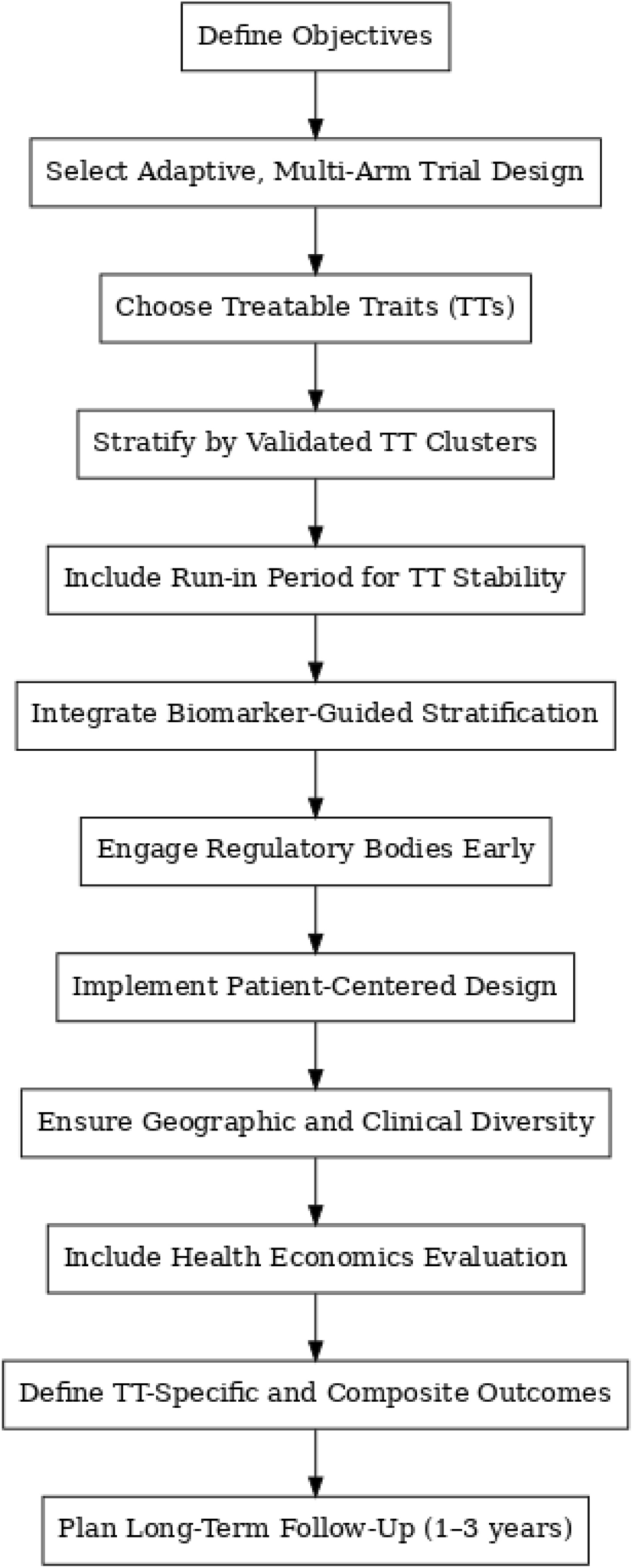
Chronic Obstructive Pulmonary Disease (COPD) is a complex, heterogeneous condition characterized by diverse clinical phenotypes and underlying pathobiological mechanisms. Traditional “one-size-fits-all” management strategies have limited effectiveness in addressing this heterogeneity. The Treatable Traits (TTs) approach represents a precision medicine paradigm that targets specific, identifiable, and modifiable traits in individual patients, regardless of diagnostic labels. This paper explores the alignment between the TTs framework and emerging pharmacological therapies, with a particular focus on anti-inflammatory agents and bronchodilators currently under investigation. Each drug category is mapped to relevant TTs, such as eosinophilic or neutrophilic inflammation, corticosteroid resistance, chronic bronchitis, and frequent exacerbations. This review highlights the importance of biomarker-driven phenotyping and real-world data in designing TT-based clinical trials. It emphasizes challenges such as trait instability over time, comorbidity clustering, and trial design heterogeneity. Moreover, we advocate for incorporating digital health tools, long-term follow-up, and cost-effectiveness analyses to ensure translational relevance. In conclusion, integrating emerging therapies with the TTs approach holds substantial promise for personalizing COPD management, improving outcomes, and facilitating targeted drug development.
Subscribe to:
Post Comments (Atom)

No comments:
Post a Comment