August 12, 2023

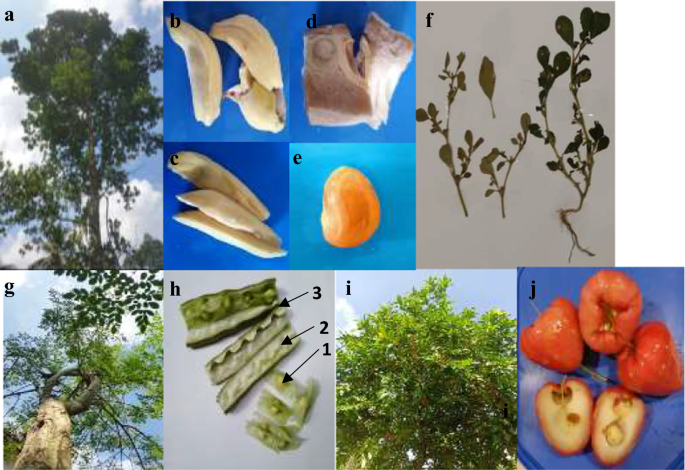
Identification of allergens in Artocarpus heterophyllus, Moringa oleifera, Trianthema portulacastrum and Syzygium samarangense


Clinical and Molecular Allergy volume 21, Article number: 6 (2023

Abstract

Background

It is clinically important to identify allergens in Artocarpus heterophyllus (jackfruit), Moringa oleifera (moringa), Trianthema portulacastrum (horse purslane) and Syzygium samarangense (rose apple). This study included 7 patients who developed anaphylaxis to jackfruit (1), moringa (2), horse purslane (3) and rose apple (1). We sought to determine allergens in the edible ripening stages of jackfruit (tender, mature, and ripened jackfruit) and seeds, edible parts of moringa (seeds, seedpod, flesh inside seedpod, and leaves), horse purslane leaves and ripened rose apple fruit. The persistence of the allergens after cooking was also investigated.

Methods

Allergens were identified by clinical history followed by a skin prick test. Protein profiles of plant/fruit crude protein extracts were determined by SDS-PAGE. Molecular weights of the allergens were determined by immunoblotting with patient sera.

August 11, 2023

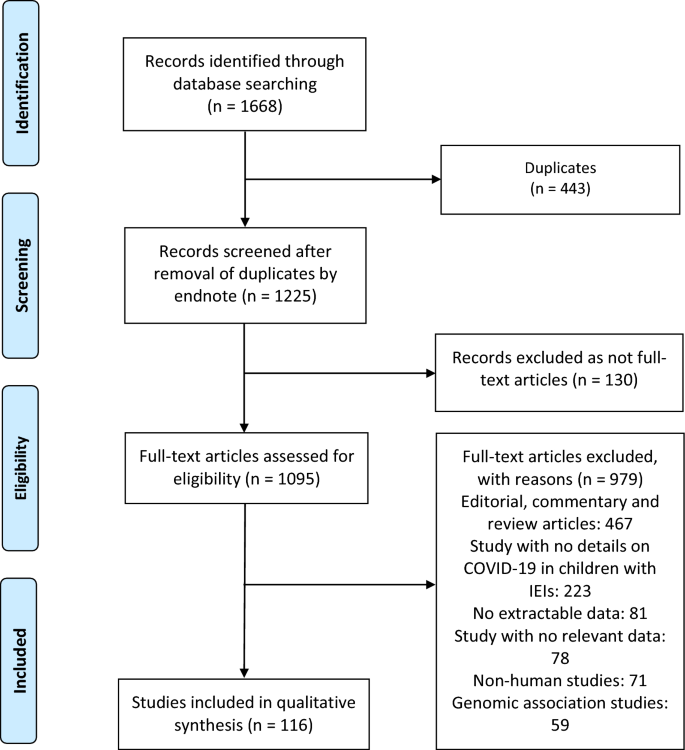
Severity of SARS-CoV-2 infection in children with inborn errors of immunity (primary immunodeficiencies): a systematic review


Alhumaid S, Al Mutared KM, Al Alawi Z, et al. Allergy Asthma Clin Immunol. 2023 Aug 9;19(1):69. 

Abstract

Background

Inborn errors of immunity (IEIs) are considered significant challenges for children with IEIs, their families, and their medical providers. Infections are the most common complication of IEIs and children can acquire coronavirus disease 2019 (COVID-19) even when protective measures are taken.

Objectives

To estimate the incidence of severe acute respiratory syndrome coronavirus 2 (SARS-CoV-2) infection in children with IEIs and analyse the demographic parameters, clinical characteristics and treatment outcomes in children with IEIs with COVID-19 illness.

Methods

For this systematic review, we searched ProQuest, Medline, Embase, PubMed, CINAHL, Wiley online library, Scopus and Nature through the Preferred Reporting Items for Systematic Reviews and Meta Analyses (PRISMA) guideline for studies on the development of COVID-19 in children with IEIs, published from December 1, 2019 to February 28, 2023, with English language restriction.
August 7, 2023

Identifying Children Likely to Benefit From Antibiotics for Acute Sinusitis: A Randomized Clinical Trial.

Shaikh N, Hoberman A, Shope TR, et al.  JAMA. 2023;330(4):349–358. 

Key Points

Question  In children aged 2 to 11 years with acute sinusitis, does the efficacy of antibiotic treatment differ based on nasopharyngeal colonization with a bacterial pathogen or by the color of the nasal discharge?

Findings  Children without nasopharyngeal bacterial colonization (28% of all enrolled) benefited significantly less from antibiotic treatment than children colonized with pathogens. The effect of antibiotics did not differ based on the color of the nasal discharge.

Meaning  In children with acute sinusitis, antibiotic treatment had minimal benefit for those without nasopharyngeal bacterial pathogens. The antibiotic effect did not depend on the color of nasal discharge.

Abstract

Importance  The large overlap between symptoms of acute sinusitis and viral upper respiratory tract infection suggests that certain subgroups of children being diagnosed with acute sinusitis, and subsequently treated with antibiotics, derive little benefit from antibiotic use.

August 6, 2023

Long-term efficacy of anti-IL-4 receptor antibody in a patient with aspirin-exacerbated respiratory disease and IgG4-related disease

Allergy, Asthma & Clinical Immunology volume 19, Article number: 67 (2023)

Hyun-Seob Jeon, Jae-Hyuk Jang, Youngsoo Lee & Hae-Sim Park 

Abstract

Background

Aspirin-exacerbated respiratory disease (AERD) and IgG4-related disease (IgG4RD) share a common pathway of Th2-mediated immune mechanism; there have been several cases of IgG4RD developed in patients with asthma, especially in those comorbid with chronic rhinosinusitis (CRS). IgG4RD has often been treated with systemic corticosteroids, rituximab, or immune-suppressive agents, but frequently failed with relapse.

Case presentation

Here, we present a case of a 64-year-old male patient with severe AERD with CRS complicated with IgG4RD, who has been successfully treated and maintained with anti-IL-4 receptor antibody, dupilumab after achieving unsatisfactory responses with previous treatments including steroids, rituximab, omalizumab, and reslizumab.

Immunomodulatory Effects of Vitamin D in Respiratory Tract Infections and COVID-19 in Children


Nicolae, Maria, Cristina Maria Mihai, Tatiana Chisnoiu et al. 2023.  Nutrients 15, no. 15: 3430.

Abstract

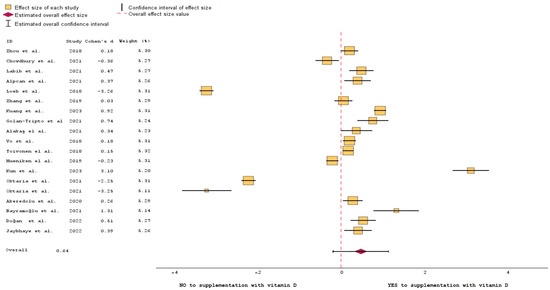
Acute respiratory tract infections (ARTIs) are one of the main reasons that the pediatric population goes to the doctor. The connection between ARTI and vitamin D (VD) is currently debated by the medical community, and so far, there has been little agreement with regard to the ideal level of 25(OH)D concentration that would provide protection for the respiratory tract, or the effectiveness of its administration in the treatment of respiratory infections. The purpose of this literature review was to bring attention to the immunomodulatory and antiviral function of vitamin D and its relation to the respiratory system by examining the main ARTIs, including SARS-CoV-2.

August 5, 2023

An ESPGHAN position paper on the diagnosis, management and prevention of cow's milk allergy.

Vandenplas Y, Broekaert I, Domellöf Met al. J Pediatr Gastroenterol Nutr. 2023 Jul 26.

Abstract
A previous guideline on cow's milk allergy (CMA) developed by the European Society of Paediatric Gastroenterology, Hepatology and Nutrition (ESPGHAN) was published in 2012. This position paper provides an update on the diagnosis, treatment, and prevention of CMA with focus on gastrointestinal manifestations. All systematic reviews and meta-analyses regarding prevalence, pathophysiology, symptoms, and diagnosis of CMA published after the previous ESPGHAN document were considered. Medline was searched from inception until May 2022 for topics that were not covered in the previous document.

August 4, 2023

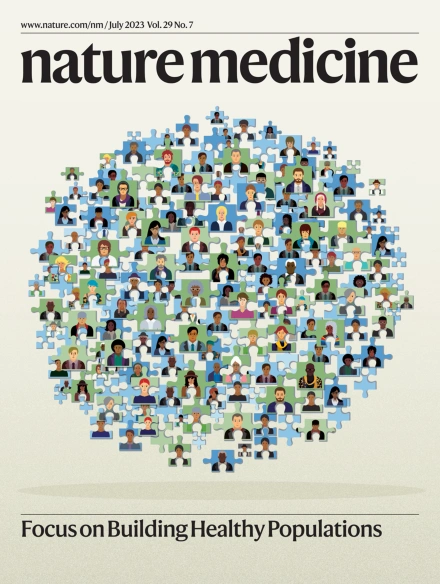
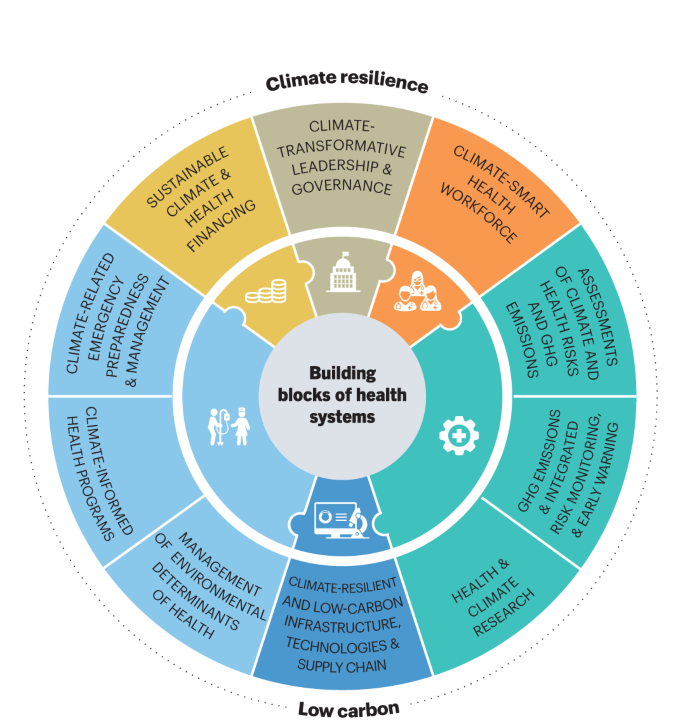
Climate change and health: three grand challenges


Campbell-Lendrum D, Neville T, Schweizer C, Neira M. Climate change and health: three grand challenges. Nat Med. 2023 Jul;29(7):1631-1638. doi: 10.1038/s41591-023-02438-w.

Abstract

Climate change may be the greatest health threat of the twenty-first century, impacting lives both directly and indirectly, through undermining the environmental and social determinants of health. Rapid action to decarbonize economies and build resilience is justified on health, human rights, environmental and economic grounds. While the necessary health response is wide ranging, it can largely be encapsulated within three grand challenges: (i) promote actions that both reduce carbon emissions and improve health; (ii) build better, more climate-resilient and low-carbon health systems; and (iii) implement public health measures to protect from the range of climate risks to health.

August 2, 2023

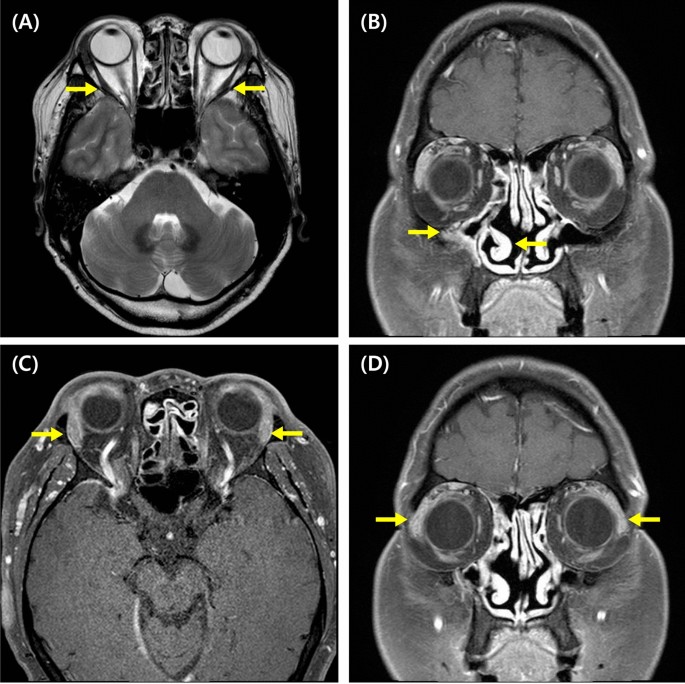
A case of hypocomplementemic urticarial vasculitis syndrome complicated by eosinophilic pneumonia: a case report and review of the literature.


Abstract

Photographs and histology of the patient.
The primary symptom of urticarial vasculitis (UV), which is a histopathological leukocytoclastic vasculitis disease, is an eruption that resembles urticaria. Other organs may also experience accompanying symptoms. Lung lesions with UV are mostly obstructive pulmonary disease with smoking. However, the coexistence of eosinophilic pneumonia (EP) and complicated UV remains unclear. We report a man in his 70s with chronic obstructive pulmonary disease who attended our department with ring-shaped erythema, marginal edema, and pigmentation.