July 18, 2024

iPREDICT: Characterization of Asthma Triggers and Selection of Digital Technology to Predict Changes in Disease Control

Castro M, Zavod M, Rutgersson A, Jörntén-Karlsson M, Dutta B, Hagger L. J Asthma Allergy. 2024 Jul 10;17:653-666. doi: 10.2147/JAA.S458618.

Abstract

Purpose: The iPREDICT program aimed to develop an integrated digital health solution capable of continuous data streaming, predicting changes in asthma control, and enabling early intervention.

Patients and methods: As part of the iPREDICT program, asthma triggers were characterized by surveying 221 patients (aged ≥18 years) with self-reported asthma for a risk-benefit analysis of parameters predictive of changes in disease control. Seventeen healthy volunteers (age 25-65 years) tested 13 devices to measure these parameters and assessed their usability attributes.

Measurable parameters of the iPREDICT system.
Results: Patients identified irritants such as chemicals, allergens, weather changes, and physical activity as triggers that were the most relevant to deteriorating asthma control. Device testing in healthy volunteers revealed variable data formats/units and quality issues, such as missing data and low signal-to-noise ratio.

July 17, 2024

Delphi Consensus Statement on the Role of Probiotics in the Treatment of Atopic Dermatitis

Thomas J, Sachdeva M, Dhar S, et al. (July 15, 2024) Cureus 16(7): e64583. doi:10.7759/cureus.64583

Abstract

Background

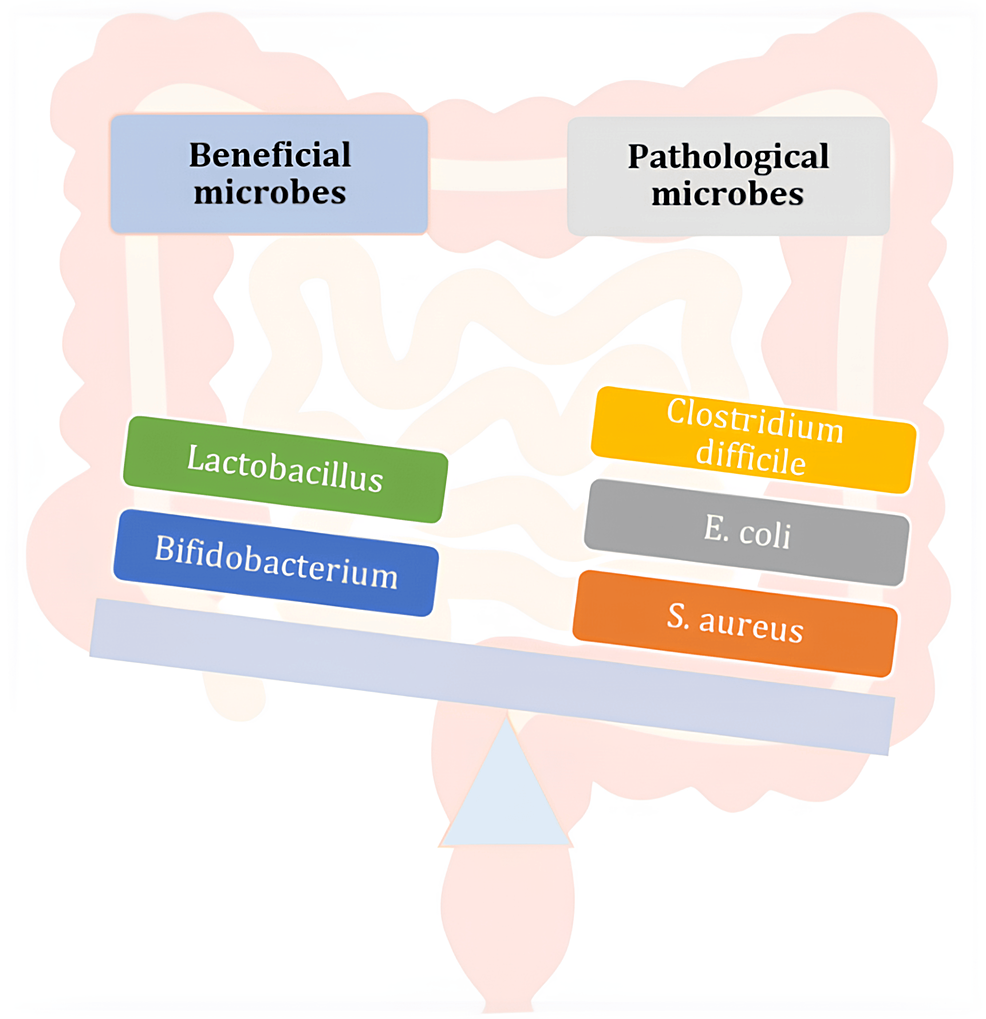
Gut dysbiosis in atopic dermatitis
Atopic dermatitis (AD) is a chronic inflammatory skin disease characterized by intense itching and recurrent eczematous lesions. Important factors in the etiopathogenesis of AD include genetic predisposition, epidermal barrier dysfunction, immune dysregulation, and gut and skin dysbiosis. Probiotics could be a potential preventive strategy for allergies including AD through immune system modulation as well as enhancement of the epithelial barrier integrity. To further understand the role of probiotics in the management of AD, a Knowledge, Attitude, and Practices (KAP) survey was conducted.

Materials and methods

A steering committee comprising nine experts formulated consensus recommendations on the role of probiotics in the management of AD and associated flare-ups through the use of the Knowledge, Attitude, and Practices questionnaire while analyzing literature reviews and responses from a national panel consisting of 175 members. The evidence strength and quality were evaluated based on the Agency for Healthcare Research and Quality (AHRQ) criteria. The acceptance of expert opinions as recommendations was considered upon receiving an endorsement from ≥70% of the panelists, as indicated by a Likert scale.

Chronic urticaria: unmet needs, emerging drugs, and new perspectives on personalized treatment

Torsten Zuberbier, Luis Felipe Ensina, Ana Giménez-Arnau, et al. (2024) The Lancet. doi:https://doi.org/10.1016/S0140-6736(24)00852-3.

Summary

Available and novel therapies under development for chronic urticaria
Chronic urticaria is a common and debilitating mast cell-driven skin disease presenting with itchy wheals, angio-oedema, or both. Chronic urticaria is classified as spontaneous (without definite triggers) and inducible (with definite and subtype-specific triggers; eg, cold or pressure). Current management guidelines recommend step-up administration of second-generation H1-antihistamines to four-fold the approved dose, followed by omalizumab and ciclosporin.

July 16, 2024

JACQLQ subjective symptom questionnaire score and clinical test results for patients with allergic conjunctival disease

Yamana, Y., Yamana, S. & Uchio, E. Sci Rep 14, 16235 (2024). https://doi.org/10.1038/s41598-024-67117-3

Abstract

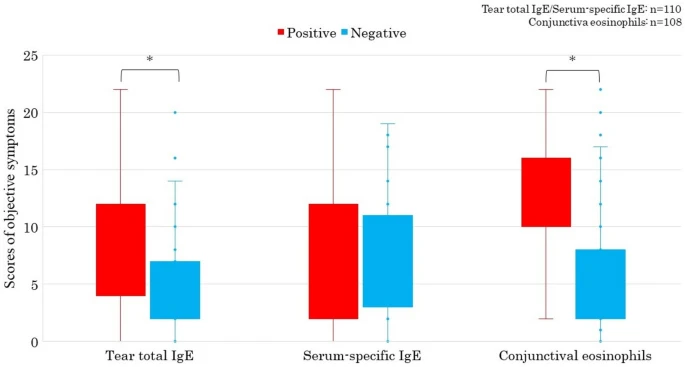
Comparison of objective symptoms’ scores by JACQLQ ver1 between
cases positive or negative for tear total IgE, serum specific IgE
and conjunctival eosinophils
We investigated the relationship between subjective symptoms and objective findings in patients with allergic conjunctival diseases (ACD) and test results for tear total IgE (t-tIgE), conjunctival eosinophils (c-Eo), serum total IgE (s-tIgE), serum-antigen specific IgE (s-sIgE), and serum eosinophils (s-Eo). Subjective symptoms and objective findings of patients with ACD were evaluated using Japanese Allergic Conjunctival Disease Quality of Life Questionnaire (JACQLQ), which described disability score and emotional score written by patient and clinical findings score written by ophthalmologist.

Performance Analysis of Non-invasive Biomarkers in the Treatment of Eosinophilic Oesophagitis

Emilio Narváez-Fernández, Margarita Tomás-Perez. EMJ Allergy Immunol. 2024;9[1]:63-69. 

Abstract

Introduction: Eosinophilic oesophagitis (EoE) is an emerging disease of the oesophagus. However, so far there are no fully validated biomarkers for diagnosis and monitoring. Moreover, research focuses on parameters that are not very useful and accessible for routine clinical practice. Thus, endoscopy remains the main method of follow-up in this population.

Methods: The team analysed the levels of total Ig E, absolute eosinophil count (AEC), eosinophil cationic protein, and immunoglobulin G4 in a cohort of 399 adult patients with EoE (without other oesophageal pathologies). After controlling for confounding factors, they compared patients with active EoE and those in remission (responders).

Comparison of markers by treatment group.
Results: It was observed that, in responders, the AEC was lower (p=0.014). Furthermore, in corticosteroid-controlled patients, total Ig E was lower (p=0.016); while in proton pump inhibitors, responders both absolute (p=0.007) and percentage (p=0.002) eosinophils were lower.

July 14, 2024

Prenatal Factors in the Development of Allergic Diseases

Grijincu M, Buzan MR, Zbîrcea LE, Păunescu V, Panaitescu C.  Int J Mol Sci. 2024 Jun 8;25(12):6359. doi: 10.3390/ijms25126359. 

Abstract

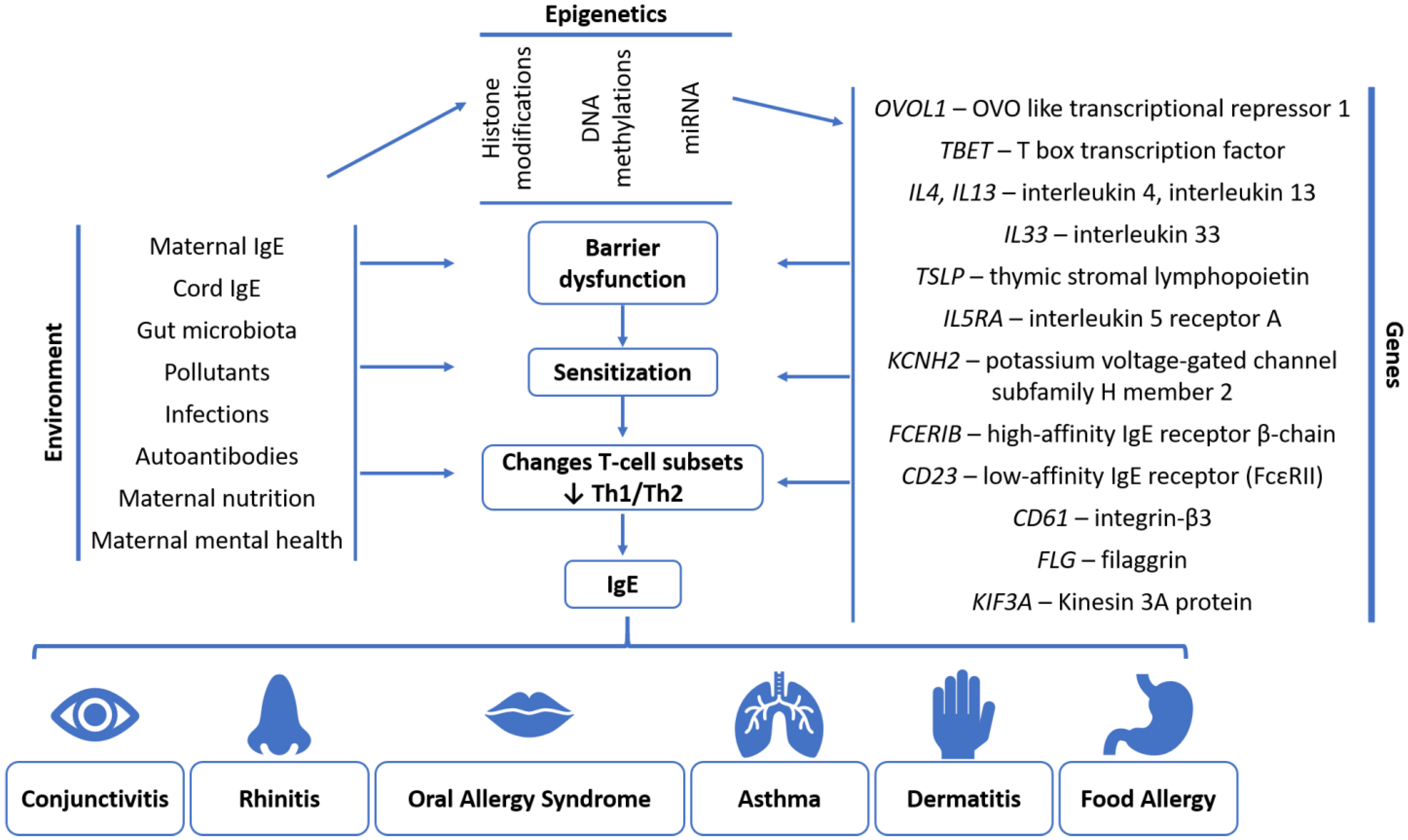
Allergic diseases are showing increasing prevalence in Western societies. They are characterized by a heightened reactivity towards otherwise harmless environmental stimuli. Allergic diseases showing a wide range of severity of symptoms have a significant impact on the quality of life of affected individuals. This study aims to highlight the mechanisms that induce these reactions, how they progress, and which prenatal factors influence their development. Most frequently, the reaction is mediated by immunoglobulin E (IgE) produced by B cells, which binds to the surface of mast cells and basophils and triggers an inflammatory response. The antibody response is triggered by a shift in T-cell immune response. The symptoms often start in early childhood with eczema or atopic dermatitis and progress to allergic asthma in adolescence.

Environmental, epigenetic and genetic factors leading to
the development of allergic diseases
An important determinant of allergic diseases seems to be parental, especially maternal history of allergy. Around 30% of children of allergic mothers develop allergic sensitization in childhood. Genes involved in the regulation of the epithelial barrier function and the T-cell response were found to affect the predisposition to developing allergic disorders. Cord blood IgE was found to be a promising predictor of allergic disease development. Fetal B cells produce IgE starting at the 20th gestation week.

Combining treat-to-target principles and shared decision-making: International expert consensus-based recommendations with a novel concept for minimal disease activity criteria in atopic dermatitis

Silverberg JI, Gooderham M, Katoh N, Aoki V, Pink AE, Binamer Y, et al.  J Eur Acad Dermatol Venereol. 2024; 00: 1–10. https://doi.org/10.1111/jdv.20229

Abstract

Background

Current treat-to-target recommendations for atopic dermatitis (AD) may not include high enough treatment targets and do not fully consider patient needs.

Objective

To develop recommendations for optimized AD management, including disease severity assessments, treatment goals and targets, and guidance for treatment escalation/modification.

Methods

An international group of expert dermatologists drafted a series of recommendations for AD management using insights from a global patient study and 87 expert dermatologists from 44 countries. Experts voted on recommendations using a modified eDelphi voting process.

Results

Overview of the AHEAD approach.

Drug-Induced Angioedema Without Urticaria: A Case Report

Raikar S R, G S, Sneha S, et al. (July 13, 2024) Cureus 16(7): e64452. doi:10.7759/cureus.64452


Abstract

Diclofenac-induced hypersensitivity reaction - angioedema
Non-steroidal anti-inflammatory drugs (NSAIDs) are widely prescribed for various conditions but are associated with numerous adverse drug reactions (ADRs). Understanding these ADRs is necessary to reduce morbidity and mortality. NSAID-induced angioedema, although rare, can be life-threatening and is often due to increased leukotriene production from COX pathway inhibition.