April 15, 2026

Loss of symbiotic gut bacteria in children at diagnosis of food protein–induced enterocolitis syndrome

Winberg A, Simonyté Sjödin K, Öhlund M, West CE. J Allergy Clin Immunol. 2026 Mar 11:S0091-6749(26)00184-3. doi: 10.1016/j.jaci.2026.02.043.
Abstract
Background
Gut microbial composition has been proposed to influence disease onset in children with food protein–induced enterocolitis syndrome (FPIES).
Objective
We sought to investigate differences in gut microbiota profiles in children with newly diagnosed FPIES and healthy control subjects.
Methods
Fecal samples were collected at FPIES diagnosis from 56 children stratified into 3 age groups: mean (SD) age 4.6 (0.5) months, 6.5 (0.6) months, and 11.7 (7.8) months. Gut microbiota profiles were analyzed using 16S ribosomal RNA gene amplicon sequencing and compared between children with FPIES and 43 age-matched control subjects.
Graphical Abstract
Results

Age was the strongest determinant of gut microbiota composition, followed by FPIES status. β-diversity differed significantly between children with FPIES and control subjects (P < .01), primarily driven by shifts in Bacteroidota, Proteobacteria, Actinobacteriota, and Verrucomicrobiota.

Hypersensitivity to Excipients in Drugs: An EAACI Position Paper

L. H.Garvey, K.Brockow, A.Barbaud, et al.  Allergy (2026): 1–26, https://doi.org/10.1111/all.70324.


ABSTRACT

Characteristics of immediate drug hypersensitivity
reactions (DHR) caused by excipients.
Drugs contain active pharmaceutical ingredients and excipients, compounds which enhance the pharmacokinetics, stability and palatability of the pharmaceutical formulation. While most drug hypersensitivity reactions (DHR) are caused by active ingredients, excipients may also be involved. Excipient-related DHR are easily overlooked and may lead to repeated anaphylaxis in patients exposed to pharmaceutical formulations containing different active ingredients.

April 13, 2026

Risk Factors for the Development of Food Allergy in Infants and Children: A Systematic Review and Meta-Analysis

Islam N, Chu AWL, Sheriff F, et al. JAMA Pediatr. Published online February 09, 2026. doi:10.1001/jamapediatrics.2025.6105


Key Points

Question  What are the risk factors associated with the development of food allergy in children?

Findings  This systematic review and meta-analysis of 2.8 million participants in 190 studies identified the following largest and most certain risk factors associated with the development of food allergies in children: prior allergic conditions (atopic march/diathesis), atopic dermatitis, increased skin transepidermal water loss, filaggrin gene sequence variations, delayed solid food introduction, infant and intrapartum antibiotic exposure, male sex, being first born, family history of allergy, parental migration, self-identification as Black, and cesarean delivery.

Meaning  This systematic review and meta-analysis clarifies the major and minor risk factors associated with developing early-onset food allergy to inform optimal prevention clinical practice, policy, and research.

Abstract

Importance  The incidence and risk (predictive) factors for early life food allergy development remain uncertain.

Broad-Spectrum Grass Pollen Immunotherapy: Revisiting the Role of Species Diversity in Allergy Treatment

Feindor, M., Hewings, S., Goodman, J. et al. Curr Treat Options Allergy 13, 4 (2026). https://doi.org/10.1007/s40521-026-00412-8

Abstract

Purpose of Review

This review examines whether allergen immunotherapy (AIT) for grass pollen allergy should expand beyond the recent trend towards a mono-species approach based on Phleum pratense. It explores whether multi-species formulations better reflect natural exposure and could improve clinical outcomes.

Recent Findings

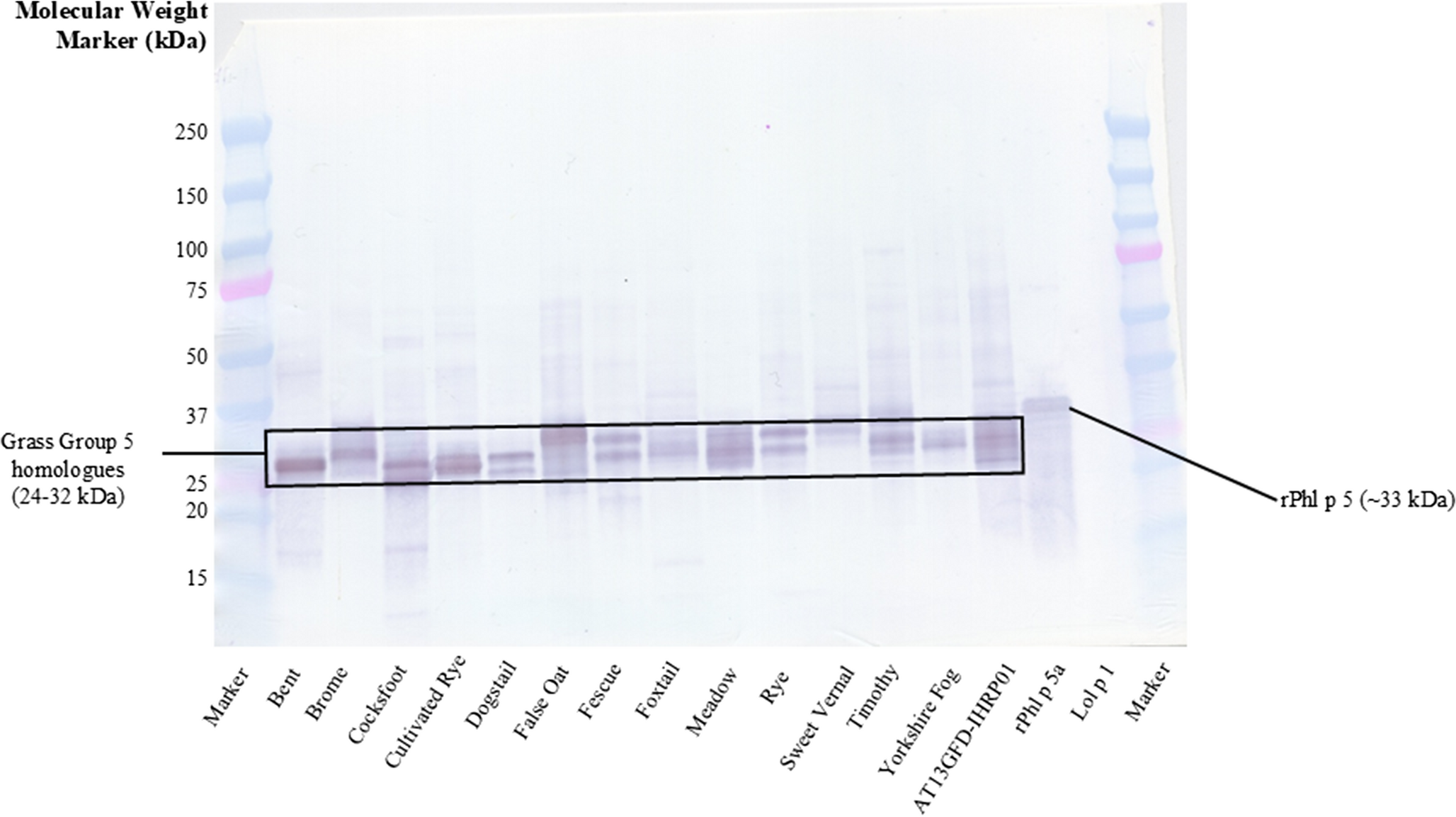
Group 5 homologues identified in individual extracts and
a mixed extract of 13 species of Poaceae family grasses,
using a monoclonal antibody

Research from aerobiology and immunology shows that grass pollen exposure involves diverse species with distinct flowering periods, influenced by climate and geography.

Adverse Events of Biologics in Severe Asthma

Sánchez, J., Caraballo, A. & Álvarez, L.  Curr Treat Options Allergy 13, 3 (2026). https://doi.org/10.1007/s40521-026-00411-9

Abstract

Purpose of Review

To summarize current evidence on the immediate and long-term safety profile of the available monoclonal biological therapy (MBT) approved for the treatment of severe asthma.

Recent Findings

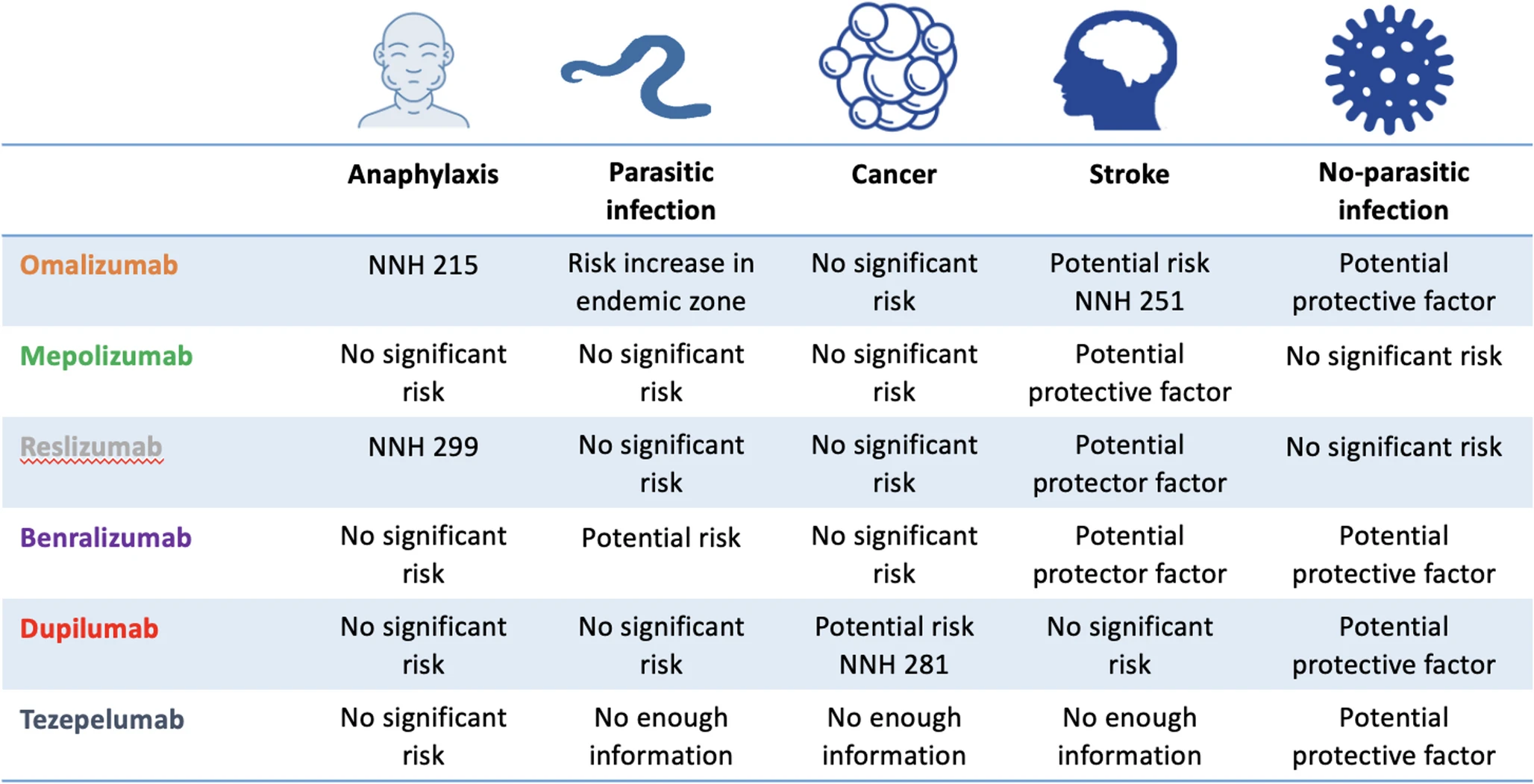
Risk of serious adverse events
Clinical trials and real-world studies have shown that MBT are generally well tolerated, although certain adverse effects such as local reactions, anaphylaxis, parasitic or viral infections, malignancy, and cerebrovascular events are of special concern in these therapies or have already been reported.

April 12, 2026

Efficacy and Safety of Oral Antihistamines for Allergic Rhinitis: Network Meta-Analysis

Vieira RJ, Gil-Mata S, Ferreira A et al. J Allergy Clin Immunol Pract. 2026 Feb 16:S2213-2198(26)00140-6. doi: 10.1016/j.jaip.2025.12.034.

  • What is already known about this topic? Oral antihistamines are one of the mainstays of the pharmacologic management of allergic rhinitis, being widely available and affordable.
  • What does this article add to our knowledge? Oral antihistamines are effective in improving rhinitis symptoms and quality of life. Cetirizine, ebastine, bilastine, and rupatadine were among the individual medications associated with the highest efficacy for improving nasal symptoms.
  • How does this study impact current management guidelines? This systematic review will inform the Allergic Rhinitis and its Impact on Asthma (2024-2025) guidelines. In particular, it will provide evidence on the efficacy and safety of individual oral antihistamines.

Abstract

Background

April 10, 2026

Real-world patient's practices in the management of allergic rhinitis in the Philippine setting

Enecilla MLB, Recto MST, Navarro-Locsin CG et al.  Asia Pac Allergy. 2026 Feb;16(1):20-29. doi: 10.5415/apallergy.0000000000000214. 


Background:

Abstract: 
Allergic rhinitis is a prevalent disease and there is a need for local real-world data to create relevant guidelines and care pathways in its management.
Objective:
The aim was to investigate the health-seeking behavior and practices of Filipinos in managing allergic rhinitis symptoms.
Methods:A cross-sectional stratified online survey was conducted among Filipinos with allergic rhinitis symptoms. Stratified sampling, based on age group and region of residence in the Philippines, with proportional allocation, was used to select the respondents of this study.
Results:

Compliance to prescribed medications for allergic rhinitis.
A total of 317 respondents (213 adults and 104 pediatric) were included in the analysis. The majority (61.83%) had moderate-severe intermittent allergic rhinitis.

Guidelines of care for the management of atopic dermatitis in pediatric patients

Davis DMR, Alikhan A, Bercovitch L et al. J Am Acad Dermatol. 2028 Apr 28:S0190-9622(26)00343-9. doi: 10.1016/j.jaad.2026.02.113.

Abstract

Background

Pediatric atopic dermatitis (AD) is a common, chronic inflammatory skin disorder that significantly impacts the quality of life of affected children and their families. Multiple therapies were approved to treat AD in children and adolescents since publication of the AAD's 2014 AD guidelines.

Objective

To provide evidence-based recommendations on the use of topical therapies, phototherapy, and systemic therapies for AD in children and adolescents.