March 31, 2025

Pharmacokinetics and pharmacodynamics of neffy, epinephrine nasal spray, in pediatric allergy patients

Fleischer DM, Li HH, Talreja N et al. J Allergy Clin Immunol Pract. 2025 Mar 20:S2213-2198(25)00269-7. doi: 10.1016/j.jaip.2025.03.019.

Abstract

Background: Epinephrine is the gold-standard treatment for severe allergic reactions, including anaphylaxis and is typically administered via intramuscular injection. Despite epinephrine's well-documented safety and efficacy, patients may be hesitant to administer/receive injections, thereby increasing the risk of complications. neffy epinephrine nasal spray was developed to provide an additional option that may reduce dosing hesitancy.

Objective: This study was conducted to characterize neffy's pharmacokinetic and pharmacodynamic profiles in pediatric subjects, and to compare profiles between pediatric and adult subjects.

March 29, 2025

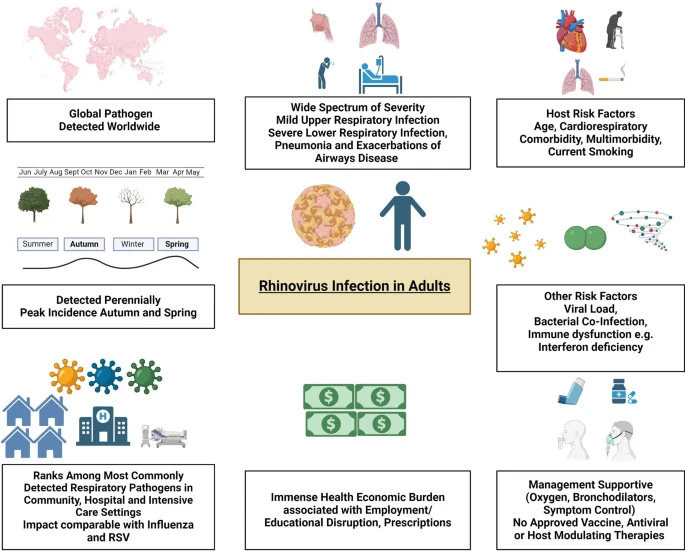
Hidden in plain sight: the impact of human rhinovirus infection in adults

Morelli, T., Freeman, A., Staples, K.J. et al. Respir Res 26, 120 (2025). https://doi.org/10.1186/s12931-025-03178-w


Abstract

Background

Impact of rhinovirus infection in adults
Human rhinovirus (HRV), a non-enveloped RNA virus, was first identified more than 70 years ago. It is highly infectious and easily transmitted through aerosols and direct contact. The advent of multiplex PCR has enhanced the detection of a diverse range of respiratory viruses, and HRV consistently ranks among the most prevalent respiratory pathogens globally. Circulation occurs throughout the year, with peak incidence in autumn and spring in temperate climates. Remarkably, during the SARS-CoV-2 pandemic, HRV transmission persisted, demonstrating its resistance to stringent public health measures aimed at curbing viral transmission.

March 28, 2025

Combination therapy blocking TNF superfamily members 14 and 15 reverses pulmonary fibrosis

Hope Steele, Ashley Willicut, Garrison Dell, Andrew Ghastine, Xinh-Xinh Nguyen, Paul Lembicz, Hailey Doerflein, Therese Suchoski, Elizabeth Kato, Carol Feghali-Bostwick, Michael Croft, Rana Herro, The Journal of Immunology, 2025;, vkaf002, https://doi.org/10.1093/jimmun/vkaf002

Abstract

Blocking LIGHT and TL1A in vivo protects against acute bleomycin-induced PF. 
Currently, anti-inflammatory drugs fail to reduce pulmonary fibrosis and tissue remodeling in the clinic. Thus, there is an unmet need to develop novel antifibrotic drugs capable of reversing disease. Our lab has identified two novel mediators of pulmonary fibrosis belonging to the tumor necrosis factor superfamily (TNFSF), LIGHT (TNFSF14) and TL1A (TNFSF15). Aside from their inflammatory roles, LIGHT and TL1A can directly activate structural cells involved in fibrosis, which express their receptors.

March 24, 2025

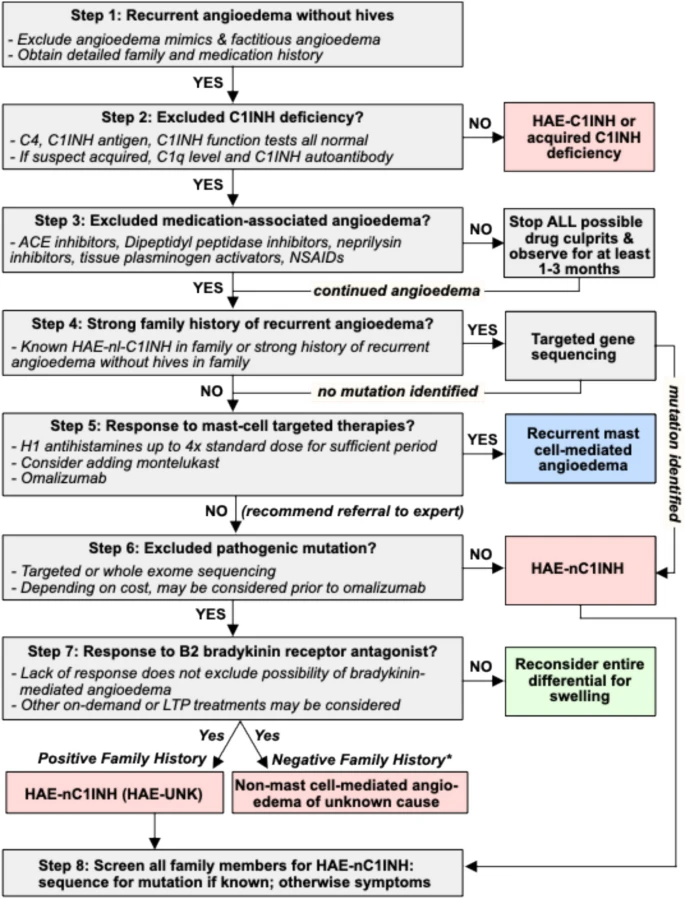
Hereditary Angioedema with Normal C1 Inhibitor: an Updated International Consensus Paper on Diagnosis, Pathophysiology, and Treatment

Zuraw, B.L., Bork, K., Bouillet, L. et al. Clinic Rev Allerg Immunol 68, 24 (2025). https://doi.org/10.1007/s12016-025-09027-4


Abstract

Hereditary angioedema (HAE) has been recognized for almost 150 years. The newest form of HAE, where C1 inhibitor levels are normal (HAE-nC1INH), was first described in 2000. Over the last two decades, new types of apparent non-mast cell–mediated angioedema with normal quantity and activity of C1INH have been described, in some cases with proven genetic pathogenic variants that co-segregate with angioedema expression within families. Like HAE due to C1INH deficiency, HAE-nC1INH patients are at risk of serious morbidity and mortality. Therefore, proactive management and treatment of HAE-nC1INH patients after an expert physician diagnosis is critically important.

Serum MRGPRX2 and substance P levels are biomarkers of disease activity rather than an antihistamine response in chronic spontaneous urticaria

Cuc, N.T.K., Minh, V.N., Lan, P.T. et al.  Sci Rep 15, 10014 (2025). https://doi.org/10.1038/s41598-025-94841-1

Abstract

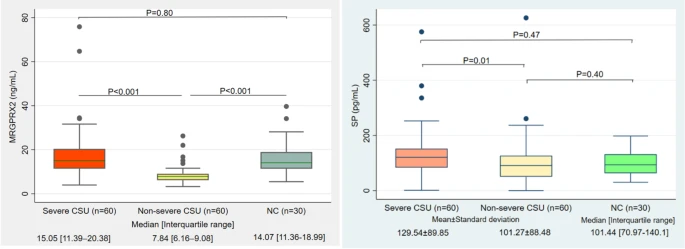
In chronic spontaneous urticaria (CSU), the role of Mas-related G protein-coupled receptor X2 (MRGPRX2) and substance P (SP) as biomarkers of disease severity and the antihistamine response remains unclear. The study aims to examine the correlations between serum MRGPRX2 and SP levels, disease severity, and antihistamine response in patients with CSU. This study included 120 CSU patients and 30 healthy controls. Based on the Urticaria Activity Score over 7 days (UAS7), the patients with CSU were divided into two categories: severe (UAS7 ≥ 28) and non-severe (UAS7 < 28). Severe CSU patients received 20 mg of bilastine, titrated up to 80 mg based on Urticaria Control Test (UCT) results at days 15, 30, and 60. Serum MRGPRX2 and SP levels were measured at baseline for all participants and after two months in severe CSU patients.

Serum MRGPRX2 and SP concentrations between severe,
non-severe CSU and controls
(Kruskal-Wallis test with Dunn’s multiple comparison test). 
The Kruskal-Wallis test and Dunn’s corrections were used to examine differences in multiple comparisons.

March 21, 2025

Urticaria-Like Hypersensitivity Reaction Following Botulinum Toxin Injection: A Case Report of Possible Interaction with β-Lactam Antibiotics

Feng W, Liu H. Int Med Case Rep J. 2025;18:367-371 https://doi.org/10.2147/IMCRJ.S510203

Abstract: 

After injection, urticaria-like manifestations occurred on the
upper face, with redness, swelling, and wheal formation.
Botulinum toxin serotype A (BTX-A) is commonly used for treating facial dynamic wrinkles. The clinical safety of BTX-A has been proven, and it has few side effects; despite this, BTX-A has the potential to cause an allergic reaction. This case raises concerns about a possible interaction between botulinum toxin serotype A (CBTX-A) and β-lactam antibiotics, contributing to the limited literature on hypersensitivity reactions.

March 20, 2025

Comparative Evaluation of an Allergen Exposure Chamber and Nasal Allergen Challenge Versus In-Field Symptom Assessment in Patients With Allergic Rhinitis Triggered by Timothy Grass Pollen

Zemelka-Wiacek, M., Kosowska, A., Pfaar, O., Agache, I., Kujawa, K. and Jutel, M. (2025) Allergy. https://doi.org/10.1111/all.16518

ABSTRACT

Background

An allergen exposure chamber (AEC) is a specialized medical facility designed to expose individuals to allergens at precise and consistent concentrations within a controlled environment. This study aimed to correlate the assessment of clinical endpoints in patients with allergic rhinitis sensitized to timothy grass pollen (Phleum pratense) by comparing three different methods: AEC, nasal allergen challenge (NAC), and symptoms during natural exposure during the grass pollen season.

Methods

Fifteen allergic subjects and twelve healthy controls were evaluated in the ALLEC AEC; allergic symptoms were measured by subjective and objective methods, including total nasal symptom score (TNSS), acoustic rhinometry (AcR), peak nasal inspiratory flow (PNIF), and nasal discharge amount.

March 18, 2025

Maternal supplementation with α-tocopherol inhibits the development of offspring food allergy, H1R signaling and ultimately anaphylaxis early in life

Allison E Kosins, Haoran Gao, Ross L Blankenship, Lauren N Emmerson, Joel A Ochoa, Joan M Cook-Mills, The Journal of Immunology, Volume 214, Issue 2, February 2025, Pages 199–210, https://doi.org/10.1093/jimmun/vkae041

Abstract

Food allergy has had a rapid rise in prevalence, and thus it is important to identify approaches to limit the development of food allergy early in life. Because maternal dietary supplementation with α-tocopherol (α-T), an isoform of vitamin E, during pregnancy and nursing increases neonate plasma levels of α-T and can limit neonate development of other allergies, we hypothesized that α-T can limit development of food allergy. To assess this, male mice with mutations in their skin barrier genes (FT−/− mice) were mated with wild-type females that received a diet supplemented with α-tocopherol or a control diet. Starting at postnatal day 3, these FT+/− pups were sensitized 4 to 5 times over 2.5 weeks by skin co-exposure to the food allergen peanut extract (PNE) and the environmental allergen Alternaria alternata (Alt). Control pups were exposed to saline, PNE only or Alt only. Supplementation with α-T blocked Alt+PNE sensitization (anti-PNE-specific IgE), without blocking Alt+PNE-stimulated skin IL33, Areg, OSM, CCL11, TSLP or plasma MCPT1.

March 17, 2025

Breaking down prebiotics, probiotics and postbiotics


From fermented foods to chia seeds, registered dietician Vanessa Risseto breaks down gut health and gives tips on how to get your prebiotics, probiotics and postbiotics naturally.

The prevalence and risk of allergic rhinitis in psoriasis patients: a systematic review and meta-analysis

Untaaveesup, S., Amnartpanich, T., Leelakanok, N. et al. Sci Rep 15, 9009 (2025). https://doi.org/10.1038/s41598-025-86779-1

Abstract

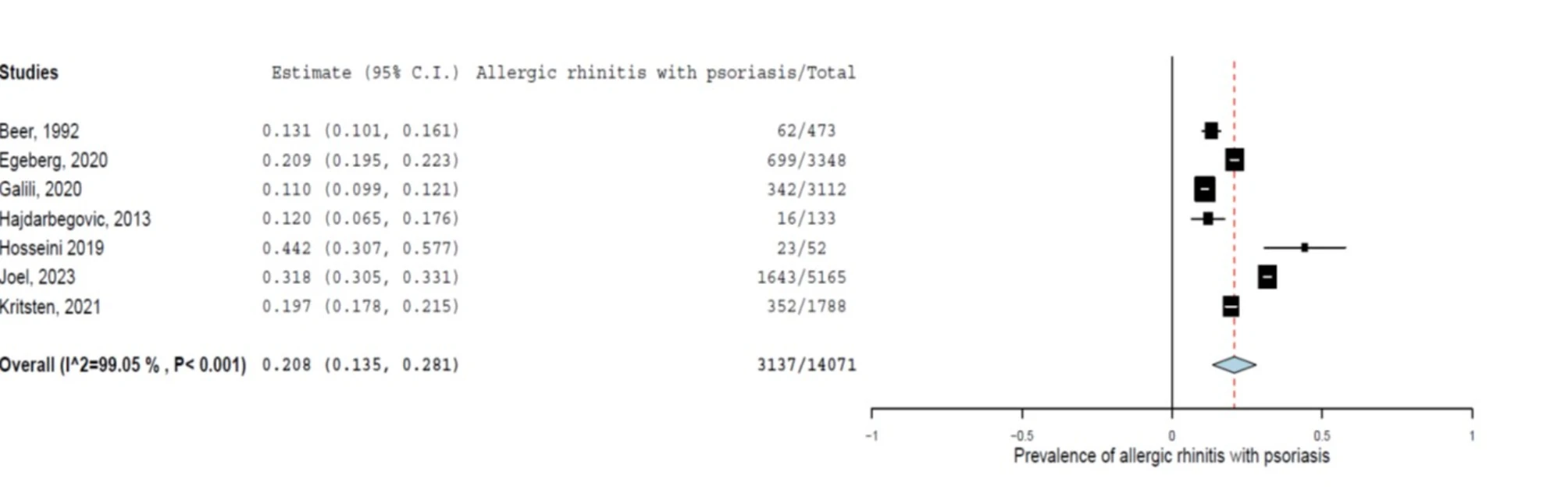
A pooled prevalence of allergic rhinitis in patients with psoriasis
Psoriasis, a chronic inflammatory systemic disease, may increase the risk of allergic diseases. This meta-analysis assesses the prevalence and risk of developing allergic rhinitis in psoriasis. We systematically searched MEDLINE, Scopus, and EMBASE for population-based studies documenting AR in psoriasis compared to those without from inception to December 2023. Meta-analysis was conducted using the random-effects model.

March 12, 2025

Impact of Demographic and Clinical Subgroups in Google Trends Data: Infodemiology Case Study on Asthma Hospitalizations

Portela D, Freitas A, Costa E, Giovannini M, Bousquet J, Almeida Fonseca J, Sousa-Pinto B. J Med Internet Res. 2025 Mar 10;27:e51804. doi: 10.2196/51804. 

Abstract

Background:

Google Trends (GT) data have shown promising results as a complementary tool to classical surveillance approaches. However, GT data are not necessarily provided by a representative sample of patients and may be skewed toward demographic and clinical groups that are more likely to use the internet to search for their health.

Objective:

In this study, we aimed to assess whether GT-based models perform differently in distinct population subgroups. To assess that, we analyzed a case study on asthma hospitalizations.

Methods:

We analyzed all hospitalizations with a main diagnosis of asthma occurring in 3 different countries (Portugal, Spain, and Brazil) for a period of approximately 5 years (January 1, 2012-December 17, 2016).

Association between allergic rhinitis, nasal polyps, chronic sinusitis and chronic respiratory diseases: a mendelian randomization study

Ren, F., Zhang, L., Zhao, D. et al. BMC Pulm Med 25, 109 (2025). https://doi.org/10.1186/s12890-025-03523-1

Abstract

Background

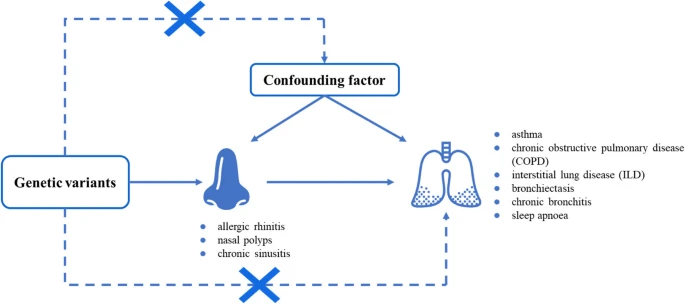
Schematic representation of Mendelian randomization on the
relationship between nasal disease and chronic respiratory diseases
Epidemiological investigations provide considerable evidence supporting the coexistence of upper airway ailments with lower airway disorders, but the association between common nasal diseases, such as allergic rhinitis, chronic sinusitis, nasal polyps, and chronic respiratory conditions require further exploration.

Methods

In this study, a two-sample mendelian randomization was employed to explore the potential association between allergic rhinitis, nasal polyps, and chronic sinusitis with various chronic respiratory diseases.

March 11, 2025

The new bilastine eye drop formulation protects against conjunctival dehydration and promotes corneal wound healing in a comparative in vitro study

Arana, E., Gonzalo, A., Andollo, N. et al.  Sci Rep 15, 7987 (2025). https://doi.org/10.1038/s41598-025-91743-0

Abstract

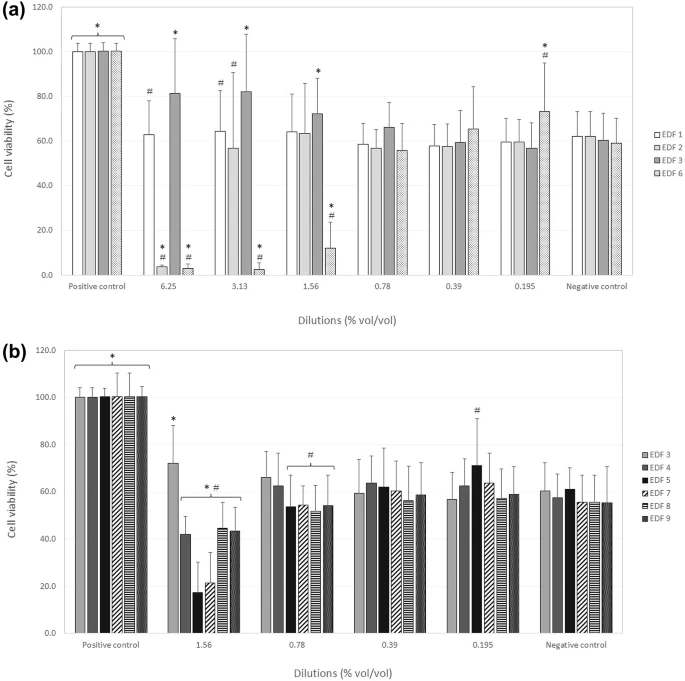
Quantitative determination of the protective effect of selected
antiallergic aye drop formulations against dehydration in Human
Primary Conjunctival Epithelial Cells (HConEpiC)
Bilastine is a non-sedating, highly selective H1-antihistamine with proven efficacy and safety in treating allergic rhinoconjunctivitis and urticaria in adults and children. Allergic conjunctivitis, a common ocular condition, negatively impacts quality of life. Topical eye drops are the standard treatment, though ocular bioavailability is often low. Incorporating biopolymers such as hyaluronic acid (HA) into topical formulations enhances adhesive properties, prolongs retention on the ocular surface, and ultimately improves drug bioavailability. This study evaluated the new multidose preservative-free bilastine 0.6% solution with sodium HA against eight commercially available antiallergic eye drops.

March 8, 2025

Definition of the Concept of Super-responders in Atopic Dermatitis: A Spanish Delphi Consensus

Liñán-Barroso JM, Hernández-Rodríguez JC, Ruiz-Villaverde R, Galán Gutiérrez M, Navarro-Triviño F, Domínguez Cruz J, Armario-Hita JC, Pereyra-Rodriguez JJ. Acta Derm Venereol. 2025 Mar 6;105:adv42240. doi: 10.2340/actadv.v105.42240.

Abstract
A consensus study of experts was conducted to establish a definition of the concept of super-responders (SR) in atopic dermatitis (AD). The study employed a Delphi methodology based on 2 rounds to define the concept of SR in AD, exploring the opinions of expert dermatologists in AD from across Spain regarding a series of statements developed after a systematic review. Consensus was predefined as an agreement of ≥ 80% among all respondents. In the first round, 4 statements reached consensus. In the second round, 2 additional statements reached consensus. To illustrate these definitions, a set of practical cases was provided, and the level of agreement among experts was evaluated.

March 6, 2025

Indolent Systemic Mastocytosis: An Incidental Diagnosis

Ayesha Khalid, Arfa Faiz and Alan Kaell Annals of Internal Medicine: Clinical Cases Volume 4, Number 3 https://doi.org/10.7326/aimcc.2024.0118

Abstract

A. Mast cell cluster with atypical spindled forms in bone marrow clot preparation
(hematoxylin–eosin stain; original magnification, ×200; Courtesy of Mark Girton, MD
and Nadine Aguilera, MD). B. CD117 strongly and diffusely stains a mast cell
cluster in bone marrow clot preparation (H&E stain; original magnification,
 ×200; Courtesy of Mark Girton, MD and Nadine Aguilera, MD).
Indolent systemic mastocytosis (ISM) is the most prevalent subtype of systemic mastocytosis, characterized by a clinical course progressing over several years to decades. We present a case of a 57-year-old woman with symptoms of flushing and occasional dizziness who was diagnosed with ISM after a colon polyp biopsy revealed CD3-, CD20-, and CD25-positive atypical mast cell infiltrates.

March 4, 2025

Severe Atopic Dermatitis: Clinical Confusion With Hyper IgE Syndrome

Cansunar R S, Ă–zden G, Cevirme L, et al. (March 03, 2025) Cureus 17(3): e79976. doi:10.7759/cureus.79976

Abstract

Hyper IgE syndrome (HIES) is a rare primary immunodeficiency characterized by chronic eczema, recurrent staphylococcal infections on the skin and pulmonary system, and high serum IgE concentrations. The first clinical sign of HIES is eczema, usually in early infancy. Severe atopic dermatitis (AD) may also mimic HIES with findings of eczema, high serum immunoglobulin E levels, and eosinophilia. Therefore, differential diagnosis may be difficult.
Blood test results
Here, we present a case with eczematoid skin rashes, asthma, elevated serum IgE levels, and skin infections that started in infancy and were followed for nine years by the pediatric allergy and immunology clinic with the diagnosis of HIES, but in fact, had severe AD.

March 1, 2025

The role of wheezing subtypes in the development of early childhood asthma

Warden, D.E., Zhang, H., Jiang, Y. et al. Respir Res 26, 79 (2025). https://doi.org/10.1186/s12931-025-03153-5

Abstract
Background
Early childhood wheezing is associated with asthma risk at later ages, emphasizing the need for understanding wheezing patterns and their implications for asthma development.

Methods
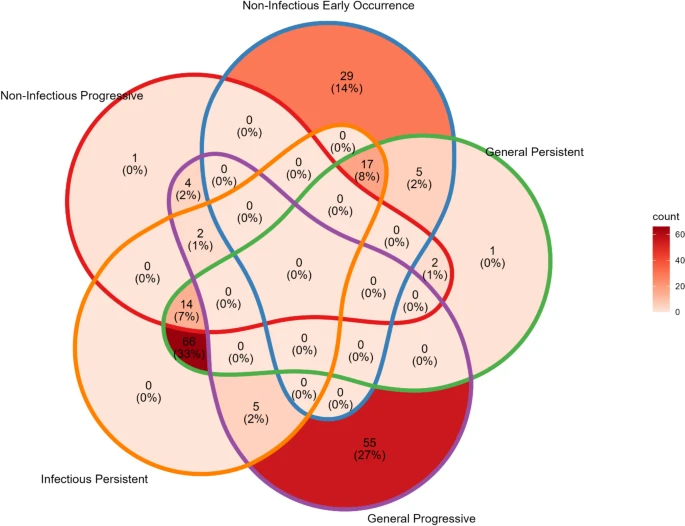
Children in the F2-generation (n = 603) of the Isle of Wight Birth Cohort (IOWBC) were followed-up at 3, 6, 12, 24, 36, and 72 months. Prevalence of wheeze and wheeze type (general, infectious, and non-infectious) were recorded. Group-based trajectory models covering ages 3 to 36 months were used to identify early childhood wheezing trajectories for each type of wheeze. These trajectories were examined for their association with asthma status and lung function at 6 years and later.

Results
Associations between wheezing subtype and F2-offspring asthma
Distinct trajectories for general (“Persistent”, “Transient”, “Progressive”, and “Infrequent/Never”), infectious (“Persistent”, “Transient”, and “Infrequent/Never”), and non-infectious (“Progressive”, “Early Occurrence”, and “Infrequent/Never”) wheezing were identified.