May 30, 2025

Understanding the atopic dermatitis-psoriasis phenotypic switch through a mechanistic epidemiology approach

Kerry Yang, Alexandra Mircescu, Deborah Okusanya, Samiha Mohsen, Danlin Zeng, Sonia Czyz, Isabelle Vallerand, Giovanni Damiani, Christopher G. Bunick, Fatemeh Jafarian. medRxiv 2025.05.25.25328309; doi: https://doi.org/10.1101/2025.05.25.25328309

Abstract

Atopic Dermatitis (AD) and psoriasis (PsO) are two frequent dermatologic conditions that may co-occur in a cluster of patients, yet current understanding of how these two conditions relate to one-another remains poorly understood. One way to better understand their relationship is through a process called phenotypic switching, where AD and PsO can turn into one another. We utilized a pharmacovigilance-based epidemiological approach to better understand this phenomenon. By generating adverse event-related disproportionality signals for various therapies and therapeutic classes used in AD and PsO, several potential mechanisms for the AD-PsO phenotypic switch were uncovered.

Effectiveness and Safety of Respiratory Syncytial Virus Vaccine for US Adults Aged 60 Years or Older

Anderer S.  JAMA. Published online May 30, 2025. doi:10.1001/jama.2025.7762

Key Points

Question  What is the effectiveness of vaccines against respiratory syncytial virus (RSV) among older adults and at-risk subgroups, and are there major adverse events associated with vaccination?

Findings  In this case-control study of 787 822 patients tested for RSV, vaccine effectiveness was approximately 75% among adults aged 60 years or older against RSV-associated acute respiratory infection, urgent care or emergency visits, or hospitalization; effectiveness was less but still substantial among immunocompromised patients. An estimated excess of 11.2 cases of Guillain-Barré syndrome followed administration per 1 000 000 doses of RSV vaccine.

Meaning  These findings suggest that RSV vaccination of older patients is effective even for most immunocompromised patients, but diagnoses of Guillain-Barré syndrome are increased after vaccination.

Abstract

Importance  Respiratory syncytial virus (RSV) is associated with hospitalization and death among older adults.

May 29, 2025

Uveitis in Adults: A Review

Maghsoudlou P, Epps SJ, Guly CM, Dick AD.  JAMA. Published online May 28, 2025. doi:10.1001/jama.2025.4358

Clinical Features of Uveitis
Abstract

Importance  Uveitis is characterized by inflammation of the uvea—the middle portion of the eye composed of the iris, ciliary body, and choroid—causing eye redness, pain, photophobia, floaters, and blurred vision. Untreated uveitis may cause cataracts, glaucoma, macular edema, retinal detachment, optic nerve damage, and vision loss.

Observations  Uveitis predominantly affects individuals aged 20 to 50 years. Anterior uveitis affects the iris and ciliary body (41%-60% of cases); intermediate uveitis affects the pars plana (attachment point of vitreous humor) and peripheral retina (9%-15%); posterior uveitis involves the choroid and/or retina (17%-23%); and panuveitis involves all uveal layers (7%-32%).

May 28, 2025

Cannabinoid WIN55,212-2 restores bronchial epithelium by regulating oxidative stress and STAT6 phosphorylation

Pérez-Diego M, Angelina A, Pat Y, Maldonado A, Sevilla-Ortega C, Martín-Cruz L, Yazici D, Rückert B, Sokolowska M, Martín-Fontecha M, Akdis M, Akdis CA, Palomares O. J Allergy Clin Immunol. 2025 May 16:S0091-6749(25)00551-2. doi: 10.1016/j.jaci.2025.05.002.

Abstract

Background

Viral infections and type 2 immune responses perpetuate airway epithelial barrier dysfunction and inflammation, leading to the development and progression of asthma. The synthetic cannabinoid WIN55,212-2 displays anti-inflammatory properties by acting on different immune system cells.

Objectives

To investigate the capacity of WIN55,212-2 to restore bronchial epithelial barrier function in asthma in the context of viral infections or type 2-driven inflammation.

Is fibromyalgia an autoimmune disorder?

 Clauw D, Sarzi-Puttini P, Pellegrino G, Shoenfeld Y.  Autoimmun Rev. 2024 Jan;23(1):103424. doi: 10.1016/j.autrev.2023.103424. 

Highlights

  • Certain aspects of FM are still controversial, including pathophysiology, which remain a subject of debate
  • FM shares many clinical features, sometimes designing overlapping diseases, with other conditions, including, chronic fatigue syndrome (CFS), sick building syndrome (SBS), post-COVID syndrome, and many others
  • Anti-GPCR (anti- G protein-coupled receptor antibodies), autoantibodies directed against the autonomic nervous system receptors, have been detected in the serum of patients with FM, and their titers correlated with clinical symptoms
  • Fibromyalgia belongs to nociplastic pain which means that the central nervous system is the driving force behind this pain mechanism, and the key phenotypic features include widespread pain, fatigue, and sleep, memory, and mood disturbances

May 26, 2025

External exposome and incident asthma across the life course in 14 European cohorts: a prospective analysis within the EXPANSE project

Yu, ZhebinMetspalu, Andres et al. The Lancet Regional Health – Europe, Volume 0, Issue 0, 101314

Summary

Background

The joint impact of exposure to multiple urban environmental factors on asthma remains unclear.

Methods

We analysed data from 14 European cohorts to assess the impact of the urban exposome on asthma incidence across the life course. We linked three external exposome domains (air pollution, built environment, ambient temperature) to the participants’ home addresses at baseline. We performed k-means clustering within each domain and assessed associations of clusters with asthma adjusting for potentially relevant covariates in cohort-specific analyses, with subsequent separate meta-analyses for birth and adult cohorts. An environmental risk score using a coefficient-weighted sum approach was used to assess the impact of combining the three domains.

Findings

 Associations between the environmental risk score
(combining three external exposome domains)
and asthma incidence
A total of 7428 incident asthma cases were identified among 349,037 participants (from birth up to age 70+). Overall, we observed higher risks of asthma for clusters characterized by high particulate matter and nitrogen dioxide exposure in adults (ORmeta = 1.13, 95%CI:1.01–1.25), and clusters characterized by high built-up area and low levels of greenness in both children and adults (ORmeta = 1.36, 95%CI: 1.14–1.64 for birth cohorts and ORmeta = 1.15, 95%CI: 1.03–1.28 for adult cohorts, respectively).

Intranasal Schirmer Test: A Useful Diagnostic Tool in Nasal Allergen Provocation Testing

von der Lage P, Bächinger D, Marti S, Schmid-Grendelmeier P, Röösli C, Lang C, Soyka M. Ann Allergy Asthma Immunol. 2025 May 17:S1081-1206(25)00237-6. doi: 10.1016/j.anai.2025.05.012.

Abstract

Background: The intranasal Schirmer test (INSCH) is a quick method to objectify nasal secretion. This study aims to use the INSCH to assess nasal secretion change through direct nasal allergen provocation (NPT).

Objective: This prospective single-center study included patients who received allergy diagnostics using NPT and anterior rhinomanometry (aRMM).

Methods: The Schirmer filter paper was attached to the nasal septum bilaterally pre- and post-allergen provocation. Additionally, all participants completed the sinonasal outcome test 22 (SNOT-22). The difference in wetting length before and after allergen provocation was investigated. Moreover, a cut-off value for allergic rhinitis were calculated.

Results: A total of n = 25 patients and n = 25 in the control group were included.

May 24, 2025

Emerging Novel Biomarkers in Allergic Rhinitis: A Narrative Review

Mishra T, Sasanka K, Sudha TY S, et al. (May 23, 2025)  Cureus 17(5): e84705 doi:10.7759/cureus.84705

Abstract

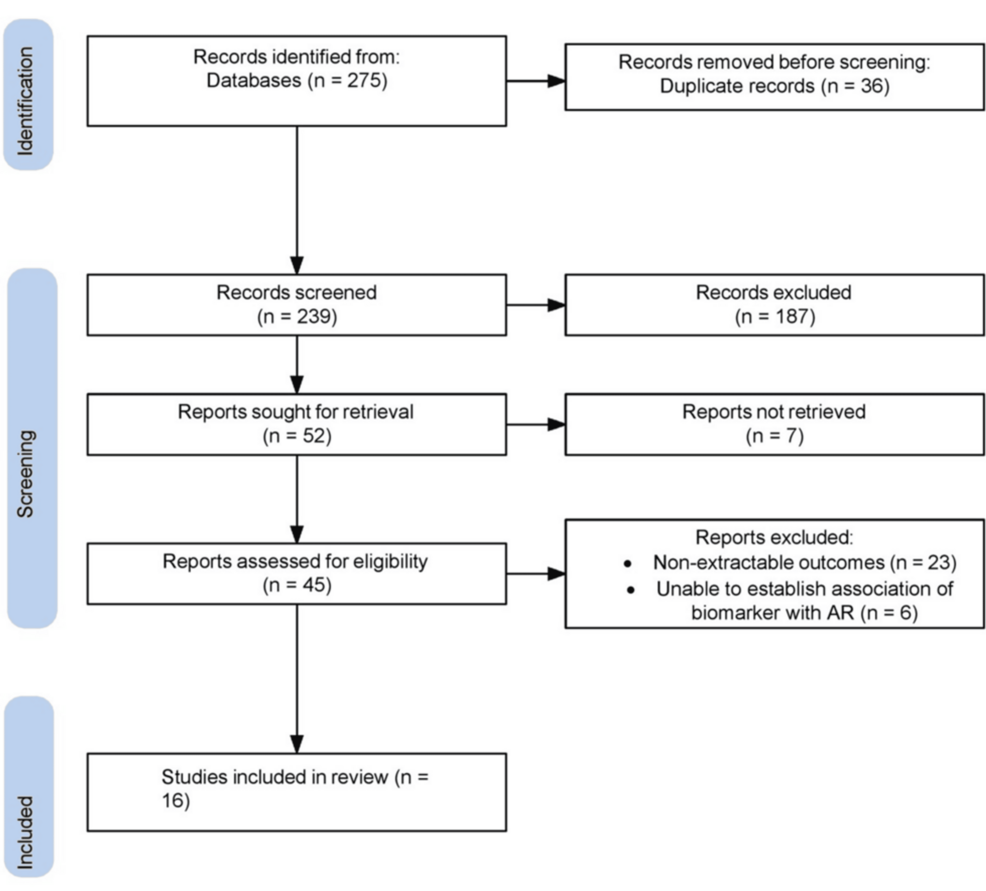
Flow diagram depicting study search and screening
Allergic rhinitis (AR) is a highly prevalent, immunoglobulin E (IgE)-mediated inflammatory condition that significantly impacts global public health. While conventional biomarkers such as total and specific IgE and eosinophil counts are widely used, their limitations in diagnostic precision and treatment response prediction have prompted research into novel biomarkers. This review synthesizes emerging evidence from the past 15 years on innovative molecular markers implicated in AR pathogenesis and management. A comprehensive literature search identified preclinical and clinical studies investigating promising biomarkers, including periostin, microRNA-155, hypoxia-inducible factor 1-alpha (HIF-1α), Granzyme A (GZMA), CD39, and several serum and nasal fluid proteins such as orosomucoid (ORM), apolipoprotein H (APOH), and serpin family b member 3 (SERPINB3).

May 22, 2025

Diagnostic value of EOS count and serum VEGF in bronchial asthma and their correlation with inflammatory factors and lung function indicators

Liu, L., Zhang, C., Xu, J. et al.  BMC Pulm Med 25, 242 (2025). https://doi.org/10.1186/s12890-025-03485-4

Abstract

Objective

To probe the diagnostic value of direct eosinophils (EOS) count and vascular endothelial growth factor (VEGF) in bronchial asthma (BA) and their correlation with inflammatory factors and lung function indicators.

Methods

A total of 66 patients with BA (BA group) were retrospectively gathered, who were further divided into mild (n = 25), moderate (n = 31), and severe (n = 10) subgroups based on asthma severity. Additionally, 60 healthy individuals undergoing physical examinations during the same period were enrolled as the normal group. The EOS count, serum VEGF, inflammatory factors [interleukin-6 (IL-6), interleukin-7 (IL-7), interleukin-10 (IL-10)], and lung function indicators [forced expiratory volume in one second (FEV1%) as a percentage of the predicted value, FEV1/forced vital capacity (FVC)] were compared among different groups.

Investigating the Role of Mosquito Repellents in Atopic Dermatitis

 Xiaoxue Wang, Zexin Zhu. Food and Chemical Toxicology Available online 20 My 2025, 115571

Highlights

  • Mosquito repellent chemical components (MRCCs) have been widely employed to prevent mosquito bites.
  • Currently, MRCCs are frequently identified in various environmental contexts.
  • MRCCs can trigger skin inflammation through multiple signaling pathways and are associated with the induction of atopic dermatitis (AD).
  • MRCCs have the potential to interact with key targets implicated in the progression of AD.
  • The findings from the network toxicology and molecular docking analyses were subsequently validated through in vitro cellular experiments.

ABSTRACT:

Mosquito bites are prevalent occurrences among various populations worldwide, mosquito repellent chemical components (MRCCs) have been extensively utilized.

May 21, 2025

Skin Staphylococcus aureus detection and relationship to atopic dermatitis outcomes using culture and metagenomic sequencing

Dahal, A., Chang, W.C., Johansson, E. et al.  Sci Rep 15, 17606 (2025). https://doi.org/10.1038/s41598-025-99463-1

Abstract

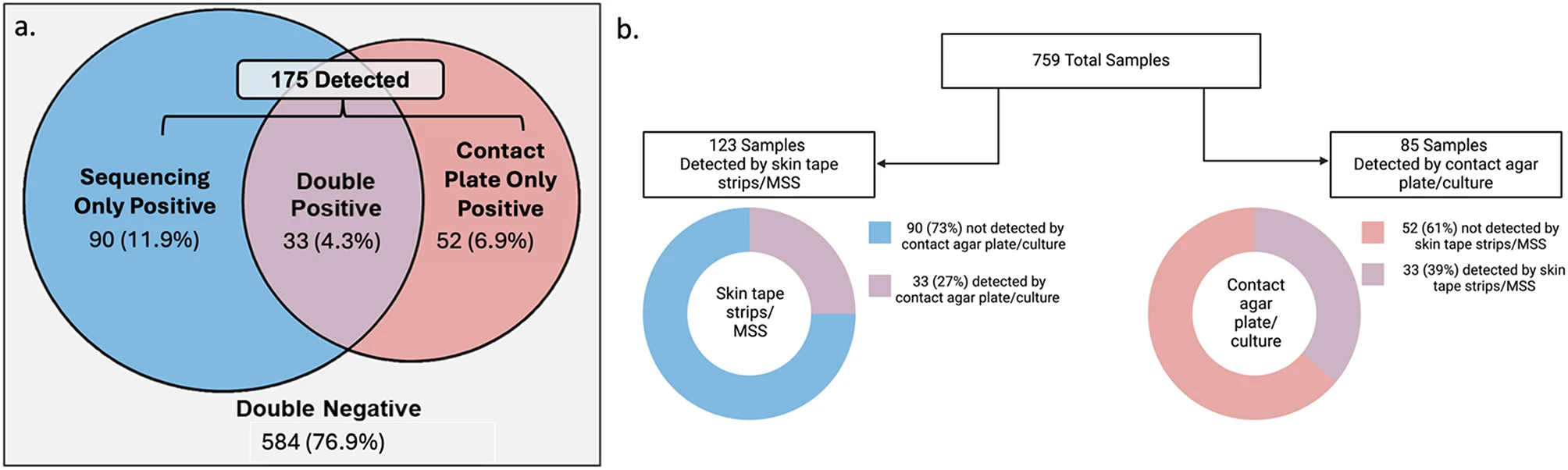
Total samples categories and detection rates by different methodologies
Staphylococcus aureus (SA) skin colonization in pediatric atopic dermatitis (AD) increases risk for severe AD and development of other allergic diseases. Despite this, there is no consensus regarding the optimal method to detect SA. Studies comparing metagenomic shotgun sequencing (MSS) and culture-based methods in SA detection and relationships to AD outcomes are lacking. In the Mechanisms of Progression of Atopic Dermatitis to Asthma in Children (MPAACH) cohort, we defined SA colonization categories by contact agar plate sampling/culture and skin tape sampling/MSS: double negative, sequencing only positive, contact plate only positive, and double positive (n = 759).
May 20, 2025

A Multidimensional Diagnostic Approach for Chronic Obstructive Pulmonary Disease

COPDGene 2025 Diagnosis Working Group and CanCOLD Investigators.  JAMA. Published online May 18, 2025. doi:10.1001/jama.2025.7358

Key Points

Question  Does incorporating chest computed tomographic imaging abnormalities and respiratory symptoms into the chronic obstructive pulmonary disease (COPD) diagnostic schema improve identification of individuals with poor respiratory outcomes?

Findings  Among 9416 participants enrolled in a multicenter cohort study, those with newly diagnosed COPD had greater all-cause and respiratory-specific mortality, more frequent exacerbations, and faster decline of forced expiratory volume in the first second of expiration compared with individuals classified as not having COPD based on the new classification schema.

May 13, 2025

Infection risk in atopic dermatitis patients treated with biologics and JAK inhibitors: BioDay results

van der Gang LF, Atash K, Zuithoff NPA, Haeck I, Boesjes CM, Bacoş-Cosma OI, et al. J Eur Acad Dermatol Venereol. 2025; 00: 1–13. https://doi.org/10.1111/jdv.20674

Abstract

Background

Limited data exist on the comparative risk of infections during biologic and Janus kinase inhibitor (JAKi) treatment for atopic dermatitis (AD) in daily practice.

Objective

To assess the differential infection risk of biologic and JAKi treatment in patients with moderate-to-severe AD in a real-world setting.

Methods

This prospective, multicentre study evaluated treatment-emergent infections in patients (age ≥ 12 years) using biologics or JAKi from the BioDay registry from October 2017 to July 2024. Crude incidence rates were calculated per 100 patient-years (PY) per treatment. Cox regression for recurrent events, adjusted for potential confounders, was used to estimate hazard ratios (HR) for the rate of infections, with subgroup and sensitivity analyses in bio-/JAKi-naïve patients.

Results
Graphical Abstract

In total 1793 patients were included (4044.1 PY; 1886 biologic treatment episodes (TEs); 480 JAKi), with 794 infections. JAKi showed higher infection rates (58.4–65.5/100 PY) compared to biologics (13.6–22.0), especially for herpes infections (n = 195, 24.6%; JAKi 13.6–19.8 vs. biologicals 3.0–3.6). Cox regression indicated increased rates with JAKi (abrocitinib HR 4.1, 95% CI: 3.1–5.5; baricitinib HR 4.2, 95% CI: 2.9–6.2; upadacitinib HR 4.0, 95% CI: 3.2–5.0; all p < 0.0001) and a slight increase with tralokinumab (HR 1.4, 95% CI: 1.0–2.0, p = 0.039) compared to dupilumab.

May 12, 2025

Seasonal Proteomic Variations and Biomarkers in Seasonal Allergic Rhinitis: Insights from Olink Inflammation Profiling

Shen J, Zheng X, Yan M, Feng M, Ding C, Xie S, Xu H.  J Inflamm Res. 2025;18:6191-6202

https://doi.org/10.2147/JIR.S519126


Graphical Abstract
Purpose: Seasonal allergic rhinitis (SAR) is a prevalent inflammatory condition, yet its molecular mechanisms and reliable biomarkers remain incompletely understood. This study aimed to identify key inflammation-related proteins and pathways associated with SAR by investigating seasonal proteomic profile variations and their correlations with SAR symptoms.
Patients and Methods: Serum samples were collected from nineteen SAR patients during both allergy (in-season, IS) and non-allergy (out-of-season, OS) periods. Differentially expressed proteins (DEPs) were identified using the Olink Target 96 Inflammation panel, which were further analyzed through Gene Ontology (GO) and Kyoto Encyclopedia of Genes and Genomes (KEGG) pathway enrichment analyses.

May 10, 2025

Prenatal Ambient Air Pollution Associations With DNA Methylation in Asthma and Allergy Relevant Genes: Findings from ECHO

Meredith Palmore, Emma E Thompson, Fang Fang et al. Environmental Epigenetics, 2025;, dvaf013, https://doi.org/10.1093/eep/dvaf013

ABSTRACT
Background
Prenatal exposure to air pollution is an important risk factor for child health outcomes, including asthma. Identification of DNA methylation changes associated with air pollutant exposure can provide new intervention targets to improve children’s health.

Objectives
To test the association between prenatal air pollutant exposure and DNA methylation in developmental and asthma/allergy relevant biospecimens (placenta, buccal, cord blood, nasal mucosa, and lavage).

Methods
A subset of 2,294 biospecimens collected from 1,906 child participants enrolled in the Environmental Influences on Child Health Outcomes (ECHO) program with prenatal air pollutant and high-quality Illumina Asthma&Allergy DNA methylation array measures (n=37,197 probes) were included.

May 9, 2025

Rhinovirus as a driver of airway T cell dynamics in children with treatment-refractory recurrent wheeze

Bryant N, Muehling LM, Wavell K, Teague WG, Woodfolk JA.  JCI Insight. 2025 May 8;10(9):e189480. doi: 10.1172/jci.insight.189480.


Abstract

Graphical Abstract
Severe asthma in children is notoriously difficult to treat, and its immunopathogenesis is complex. In particular, the contribution of T cells and relationships to antiviral immunity remain enigmatic. Here, we coupled deep phenotyping with machine learning methods to elucidate the dynamics of T cells in the lower airways of children with treatment-refractory recurrent wheeze, and examine rhinovirus (RV) as a driver. Our strategy revealed a T cell landscape dominated by type 1 and type 17 CD8+ signatures. Interrogation of phenotypic relationships coupled with trajectory mapping identified T cell migratory and differentiation pathways spanning the blood and airways that culminated in tissue residency, and involved transitions between type 1 and type 17 tissue-resident types.

Prevalence of Intolerance to Amines and Salicylates in Individuals with Atopic Dermatitis: A Systematic Review and Meta-Analysis

Fischer, K.; Jones, M.; O’Neill, H.M.Nutrients 202517, 1628. https://doi.org/10.3390/nu17101628

Abstract

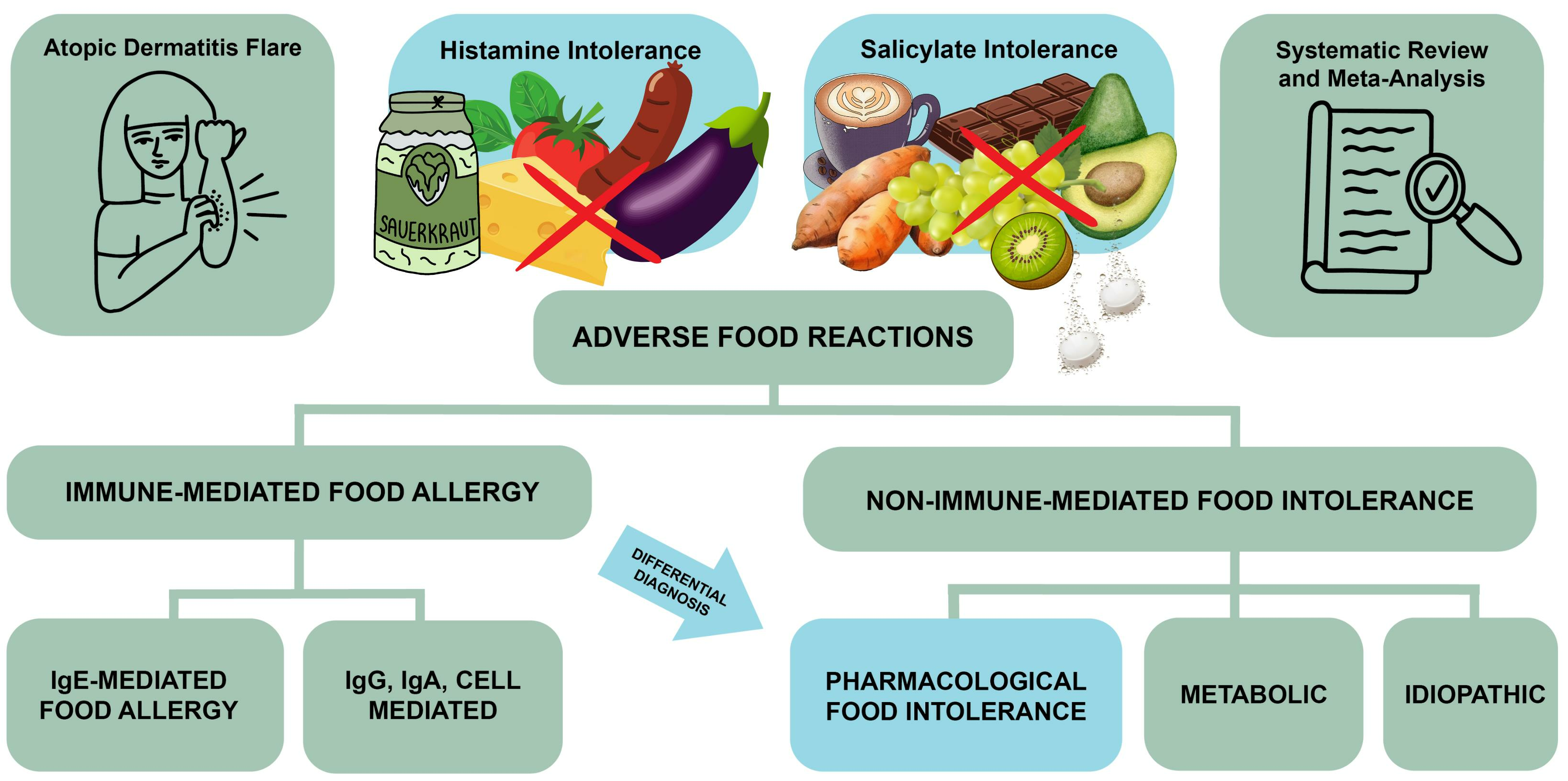
Graphical abstract
Background/Objectives: Elimination diets targeting amines and salicylates have been used since the 1980s to diagnose pharmacological food intolerance in individuals with atopic dermatitis (eczema), yet supporting evidence regarding relevance is limited. To our knowledge, this systematic review with meta-analysis is the first to examine the prevalence and association between atopic dermatitis flares and amine intolerance (including histamine intolerance) and salicylate intolerance in individuals with atopic dermatitis. 

Methods: Following the PRISMA guidelines, searches of PubMed, Embase, CINAHL, and Cochrane were conducted. Included studies involved children and adults with atopic dermatitis who underwent dietary elimination and double-blind placebo-controlled challenges involving histamine, other amines, or salicylates.
May 8, 2025

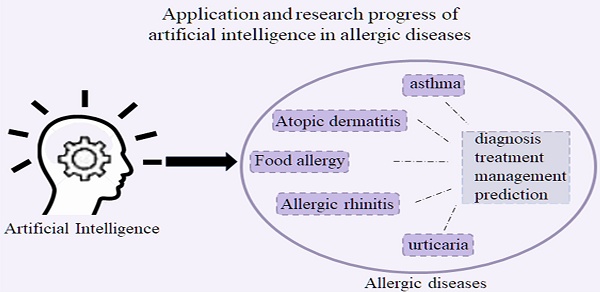
Application and research progress of artificial intelligence in allergic diseases

Tan H, Zhou X, Wu H, Wang M, Zhou H, Qin Y, Zhang Y, Li Q, Luo J, Su H, Sun X. Int J Med Sci 2025; 22(9):2088-2102. doi:10.7150/ijms.105422. https://www.medsci.org/v22p2088.htm

Abstract

Artificial intelligence (AI), as a new technology that can assist or even replace some human functions, can collect and analyse large amounts of textual, visual and auditory data through techniques such as Reinforcement Learning, Machine Learning, Deep Learning and Natural Language Processing to establish complex, non-linear relationships and construct models. 
These can support doctors in disease prediction, diagnosis, treatment and management, and play a significant role in clinical risk prediction, improving the accuracy of disease diagnosis, assisting in the development of new drugs, and enabling precision treatment and personalised management. In recent years, AI has been used in the prediction, diagnosis, treatment and management of allergic diseases.

May 6, 2025

Rilzabrutinib in Antihistamine-Refractory Chronic Spontaneous Urticaria The RILECSU Phase 2 Randomized Clinical Trial

Giménez-Arnau A, Ferrucci S, Ben-Shoshan M, et al. JAMA Dermatol. Published online April 23, 2025. doi:10.1001/jamadermatol.2025.0733

Key Points

Question  What is the efficacy and risk profile of rilzabrutinib, an oral reversible covalent Bruton tyrosine kinase inhibitor, in adults with antihistamine-refractory chronic spontaneous urticaria (CSU)?

Findings  In this randomized clinical trial of 160 patients with moderate to severe CSU, rilzabrutinib, 1200 mg/d, significantly decreased patients’ weekly Urticaria Activity Score and its components (weekly Itch Severity Score and weekly Hives Severity Score) at week 12 and as early as week 1. No new risks were observed.

Meaning  Rilzabrutinib reduced itch and hives while maintaining a favorable risk-benefit profile, suggesting rilzabrutinib may be an efficacious treatment for patients with antihistamine-refractory moderate to severe CSU.

Abstract

Importance  Chronic spontaneous urticaria (CSU) is a skin disease driven mainly by the activation of cutaneous mast cells through various mechanisms.

May 4, 2025

Clinical Benefits of a Randomized Allergy App Intervention in Grass Pollen Sufferers: A Controlled Trial.

Holzmann C, Karg J, Reiger M et al. Allergy. 2025 Apr 17. doi: 10.1111/all.16558. 

ABSTRACT

Background

Symptom monitoring can improve adherence to daily medication. However, controlled clinical trials on multi-modular allergy apps and their various functions have been difficult to implement.

Graphical Abstract
The objective of this study was to assess the clinical benefit of an allergy app with varying numbers of functions in reducing symptoms and improving quality of (QoL) life in grass pollen allergic individuals. The secondary objective was to develop a symptom forecast based on patient-derived and environmental data.

Methods

We performed a stratified, controlled intervention study (May–August 2023) with grass pollen allergic participants (N = 167) in Augsburg, Germany.

Dermatologic presentations of hyper IgE syndrome in pediatric patients

Mahjoubi, M., Rashedi, R., Samieefar, N. et al. Allergy Asthma Clin Immunol 21, 20 (2025). https://doi.org/10.1186/s13223-025-00963-6


Abstract

Background

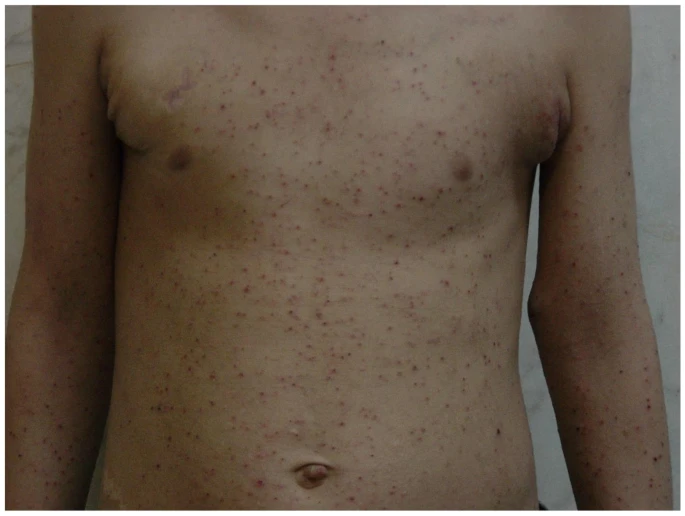
Generalized erythematous and excoriated papules
suggesting an eczematous dermatitis in a
10-year-old boy with HIES
Hyper-IgE Syndrome, also known as Job’s syndrome, is a rare primary immunodeficiency disorder characterized by recurrent infections and elevated levels of immunoglobulin E. While respiratory and systemic manifestations have been more emphasized, dermatological manifestations in Hyper-IgE Syndrome also play a significant role in disease presentation.

Methods

This narrative review explores the dermatologic presentations of Hyper-IgE Syndrome in pediatric populations

May 3, 2025

First-in-Class Intranasal Epinephrine Spray for Anaphylaxis: Dose Finding Clinical Study

Lapidot, Tair et al. Journal of Allergy and Clinical Immunology: Global, Volume 0, Issue 0, 100487

Abstract

Background

Anaphylaxis is a life-threatening clinical presentation of acute systemic allergic reactions. Timely administration of epinephrine, usually by intramuscular autoinjector, is a robust life-saving treatment. Despite the critical necessity, there are multiple deterrants to patients’ proper use of epinephrine autoinjectors. FMXIN002 is a novel nasal dry powder formulation of epinephrine in a single-use device, offering first-in-class alternative treatment.

Objective

To measure epinephrine pharmacokinetics, pharmacodynamics and safety following a single administration of FMXIN002 at doses of 3.6 and 4.0 mg epinephrine versus IM autoinjector 0.3 mg, in healthy adults.

Methods

An open-label, single-dose, three-treatment, crossover, randomized, comparative bioavailability study with 12 healthy adults, female and male. FMXIN002 stability was also tested.

Results

FMXIN002 4.0 mg was absorbed faster and higher by most of the subjects, compared to IM autoinjector. 91% of subjects achieved the clinical threshold of 100 pg/mL plasma epinephrine at 6 minutes after administration of FMXIN002 4.0mg compared to 55% of subjects treated with IM autoinjector.

May 2, 2025

Association of ulcerative colitis with atopic dermatitis: identification of shared and unique mechanisms by construction and computational analysis of disease maps

Oxana Lopata, Marcio Luis Acencio, Xinhui Wang, Ahmed Abdelmonem Hemedan, Michael J. Chao, Scott A Jelinsky, Florian Tran, Philip Rosenstiel, Andrew Y.F. Li Yim, Reinhard Schneider, Venkata Satagopam, Marek Ostaszewski bioRxiv 2025.04.23.650149; doi: https://doi.org/10.1101/2025.04.23.650149

ABSTRACT

Background and Aims Ulcerative colitis (UC) and atopic dermatitis (AD) are immune-mediated inflammatory diseases with limited treatment options. They are known to be related which may explain higher risk of development of UC in patients with AD. The goal of this work is to review and analyse molecular mechanisms of UC in comparison to AD towards insights into UC complexity, potential comorbidities and novel therapies.

Methods We developed graphical computational models of UC and AD molecular mechanisms (disease maps) by integrating information from over 800 manually curated articles. The maps are available online at https://imi-immuniverse.elixir-luxembourg.org. Disease-specific risk variants and gene expression profiles are visualised to identify signatures specific to UC, and shared with AD.

May 1, 2025

National best practice guidelines for anaphylaxis prevention and management in Australian schools

Netting, Merryn J. et al. Journal of Allergy and Clinical Immunology: Global, Volume 4, Issue 2, 100413

Abstract

Background

Anaphylaxis prevention and management in the school setting is an important health and safety issue as the rates of food allergy in children continue to increase.

Objective

We describe the development and review of the Australian National Allergy Council best practice guidelines for anaphylaxis prevention and management in schools.

Methods

Developed in consultation with key stakeholders in health and education settings, the best practice guidelines incorporate 7 key recommendations for anaphylaxis prevention and management: an allergy aware approach; anaphylaxis management policy and plans; allergy documentation; emergency response; staff training; community and student education; and postincident management and incident reporting.