
Abstract
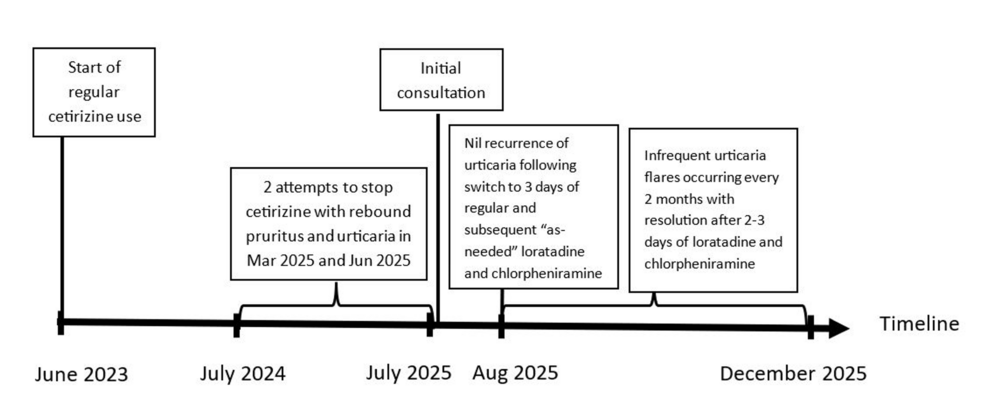 |
| Timeline of events |
Abstract
|
| Timeline of events |
Preface
We are pleased to welcome all participants to the 14th C1-inhibitor Deficiency & Angioedema Workshop.
The aim of the Workshop is to present new research findings related to rare bradykinin-mediated angioedema disorders. These include conditions caused by hereditary or acquired C1-inhibitor deficiency, as well as those with a hereditary background but normal C1-inhibitor levels. This year, a record number of abstracts will be presented over the four-day program, including 49 oral and 58 poster presentations. In addition to previously unpublished findings, five outstanding keynote lectures will also be delivered.
On the opening afternoon, Nobel Laureate Katalin Karikó will give a special lecture on the development of the mRNA vaccine, sharing all the insights gained from the long and persistent journey that led to the production of life-saving mRNA-based vaccines.

Question Are COVID-19 mRNA vaccines associated with the long-term risk of all-cause mortality?
Findings In this cohort study including 22.7 million vaccinated individuals and 5.9 million unvaccinated individuals, vaccinated individuals had a 74% lower risk of death from severe COVID-19 and no increased risk of all-cause mortality over a median follow-up of 45 months.
Meaning These national-level results found no increased risk of 4-year all-cause mortality in individuals aged 18 to 59 years vaccinated against COVID-19, further supporting the safety of the mRNA vaccines that are being widely used worldwide.
Importance While several studies have assessed the impact of COVID-19 vaccination on short-term mortality, none have compared long-term mortality by vaccination status, particularly in young individuals who are less likely to experience severe disease following SARS-CoV-2 infection.
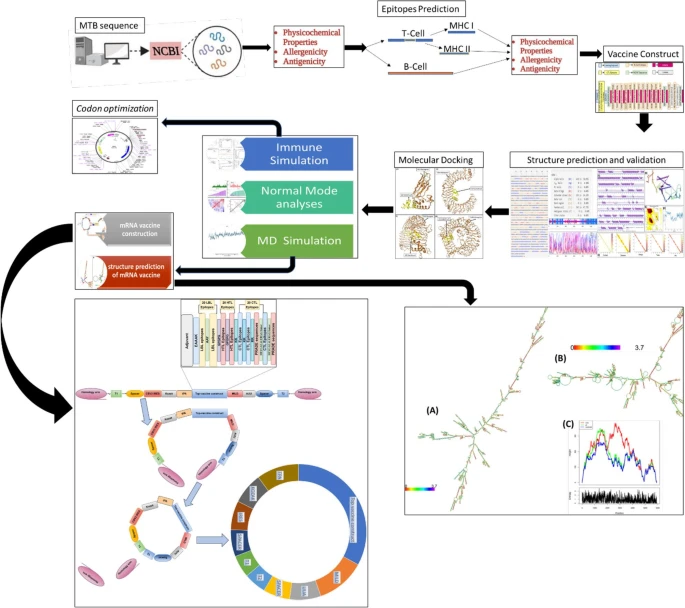 |
| Graphical Abstract |

 |
| Visual Summary |
Abstract
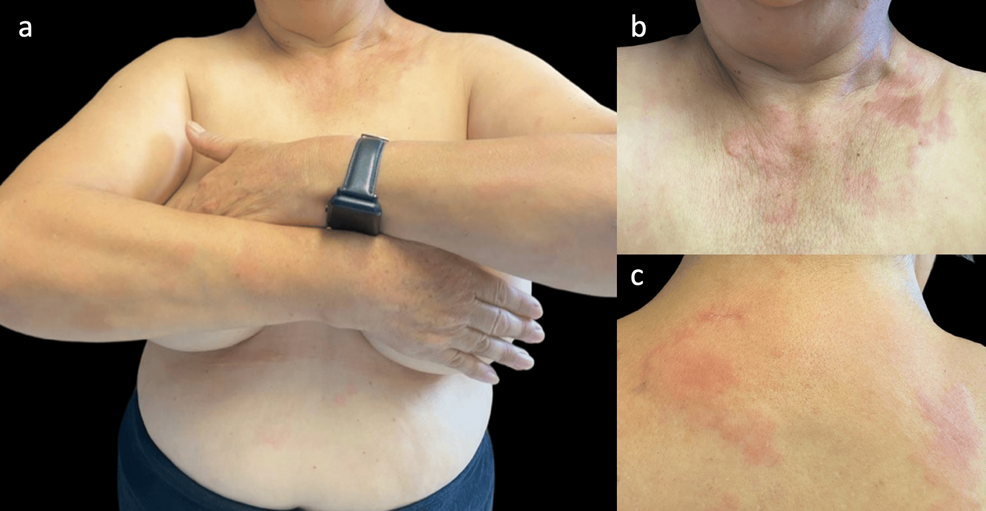 |
| Cutaneous manifestations of hypocomplementemic urticarial vasculitis |

ABSTRACT
 |
| Risk of bias (RoB) domains for the randomized controlled trials (RCT) on the development of eosinophilic esophagitis (EoE) after allergen immunotherapy (AIT). |

Abstract
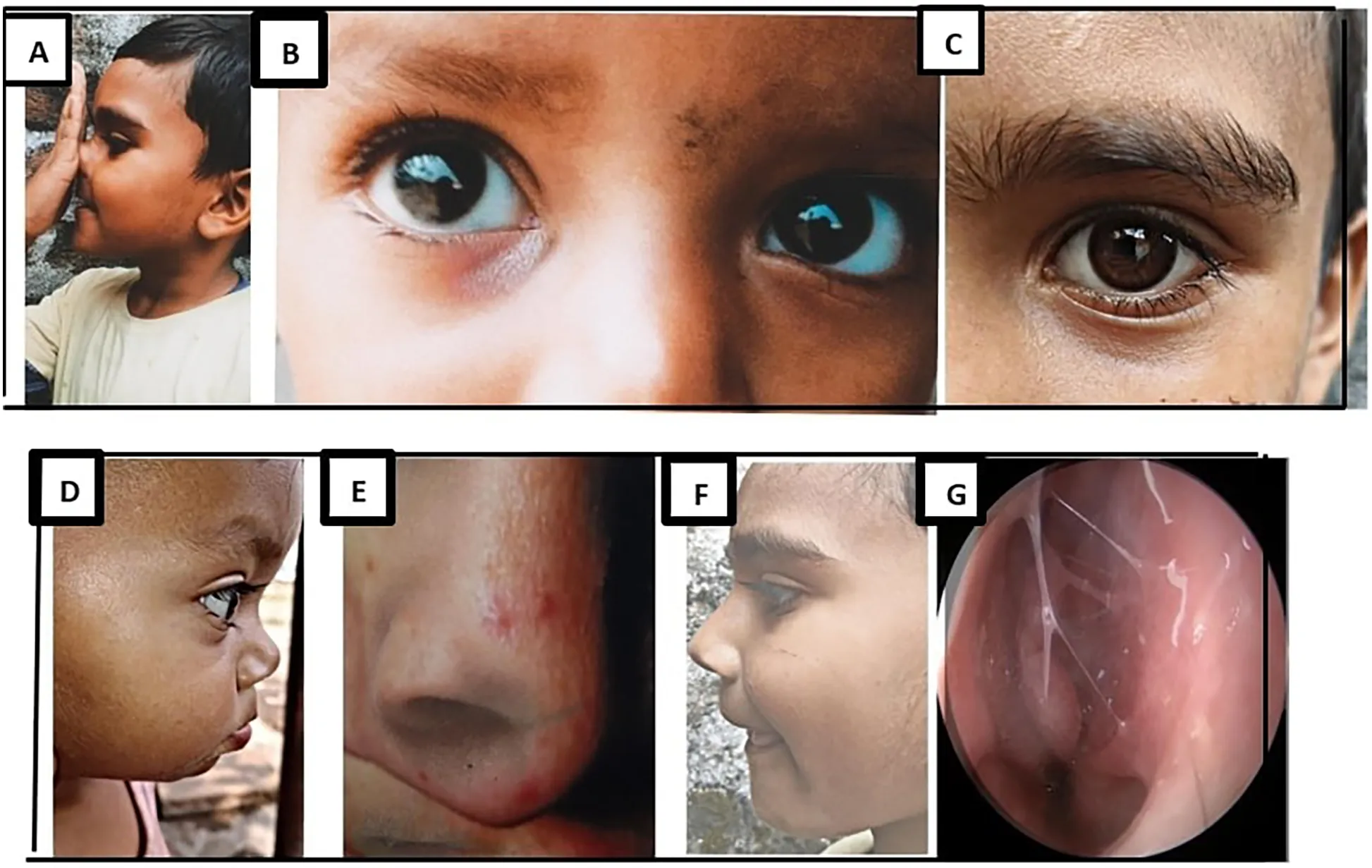 |
| The pathophysiology of AR results in typical examination findings (A) the allergic salute. (B) Allergic shiners. (C) Dennie-Morgan lines. (D) Facial grimacing or twitching. This is related to nasal itching. (E) Nasal creasing related to the allergic salute. (F) Allergic facies. (G) Typical nasal mucosa. |

